


 Iran Strait of Hormuz Tensions Rise After Ship Attack Delays IMO Escort Mission
  US Seeks Gulf Support for Iran Peace Deal Amid Regional Tensions
  Iran Attack in Strait of Hormuz Pushes Oil Prices Higher
  White House Seeks $87.6 Billion Emergency Funding for Iran War, Farmers, and Ebola Response
  White House Seeks $1.4 Billion to Combat Growing Ebola Outbreak
  US Senate Approves War Powers Resolution Urging Trump to End Iran Military Action
  NATO Chief Tries to Ease Trump Alliance Dispute
  Pelosi Discloses Major Intel and Uber Call Option Purchases Worth Up to $6 Million
  Trump Requests $11 Billion More in Farm Aid as Rising Costs Pressure U.S. Farmers
  Young Brazilian Voters Shift Right Ahead of 2026 Election
  Marco Rubio Reassures Gulf Allies Over U.S.-Iran Peace Deal
  Israel Heritage Bill Sparks Annexation Concerns in West Bank
  Crimea Power Outage After Ukrainian Drone Attack, Russian Authorities Say
  Japan Signals Preference for Low Interest Rates as BOJ Policy Debate Intensifies
  Johns Hopkins University Lays Off 110 Employees as Federal Research Funding Declines
  US Approves $250 Million Fighter Jet Training Sale to Australia
  Peru Election Dispute Deepens as Roberto Sanchez Rejects Runoff Results


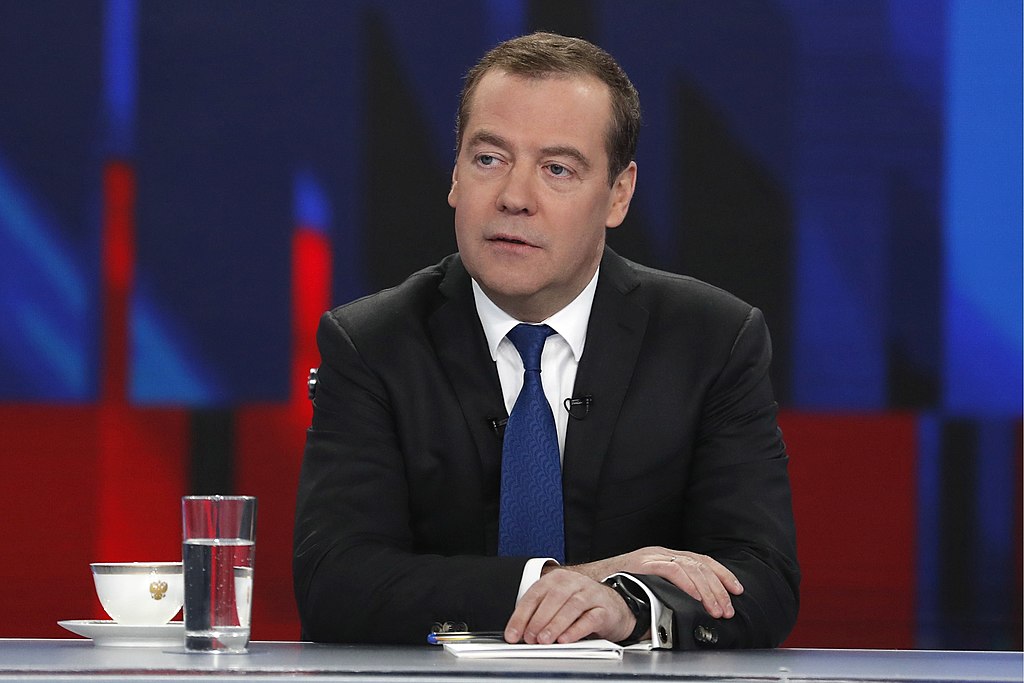
Senior Russian officials have sharply criticised U.S. President Donald Trump’s actions in Venezuela, calling them unlawful, destabilising, and driven by American self-interest, while warning they could have dangerous international consequences. The remarks came after Trump claimed that the United States had carried out a strike in Venezuela and that President Nicolás Maduro and his wife had been captured and removed from the country, sparking international reaction and calls for urgent discussions at the United Nations.
Russia’s Security Council Deputy Chairman Dmitry Medvedev said on Sunday that while Trump’s behaviour violated international law, it was internally consistent with Washington’s long-standing approach to defending its national interests. Speaking to the Russian state news agency TASS, Medvedev argued that the United States views Latin America as its traditional sphere of influence and suggested that control over Venezuela’s vast oil resources was a key motivation behind the operation.
Medvedev noted that such an action, if carried out against a stronger nation, would almost certainly be interpreted as an act of war. He described U.S. policy as a blunt assertion of power that prioritises access to other countries’ resources over international norms and sovereignty, reinforcing long-standing criticism of American interventionism in the region.
Alexei Pushkov, a senior Russian senator and chairman of the Federation Council’s commission on information policy, echoed these concerns. Writing on the Telegram messaging app, Pushkov said Trump’s statements and actions were undoubtedly dramatic but questioned their long-term effectiveness. He compared the situation to previous U.S. interventions in Iraq, Afghanistan, and Libya, where early declarations of victory later gave way to prolonged instability or outright failure.
Pushkov warned that the attack on Venezuela and the seizure of its president had alarmed the international community and signalled a return to what he described as “wild imperialism” reminiscent of the 19th century. He argued that such actions revive a “Wild West” mentality in which powerful states act unilaterally, ignoring global rules and institutions.
Russia has maintained close political, military, and economic ties with Venezuela for years, particularly in the energy sector. Moscow has consistently backed Caracas on the international stage, viewing U.S. pressure on Venezuela as part of a broader strategy to reshape the global balance of power and undermine countries that resist Washington’s influence.







