


 Yemen Violence Displaces 130,000 as Civilian Toll Rises
  US Comfortable With Canada Trade Standoff as Import Bans Loom
  US Backs Musk in Fight Against EU’s €120 Million X Fine
  North Korea Warns South Korea Over US-Led Defense Role
  Netanyahu’s Brief US Trip Highlights Strains With Trump
  Putin Says Ukraine Peace Proposals Remain on Table
  Najib Razak Seeks Stay of 15-Year 1MDB Prison Sentence
  France Defends Netanyahu Airspace Clearance Despite ICC Warrant
  Colombia Extradites FARC Dissident Leader ‘Spider’ to US
  Trump Asks Supreme Court to Restore Third-Country Deportations
  Netanyahu Defends Israel at UN as Delegates Stage Walkout
  North Korea Rejects Nuclear Test Warning, Calls Nuclear Status Irreversible
  Pezeshkian Says US Must Choose When Iran War Ends
  Trump Warns China Against Supporting Iran in Xi Talks
  Saudi Arabia, Turkey and Pakistan Plan Urgent Defence Talks Over Houthi Attacks
  Evan Gershkovich Says FSB Set Trap for 2023 Russia Arrest
  Abbas Reaffirms November 28 Palestinian Elections


 Add as a preferred source on Google
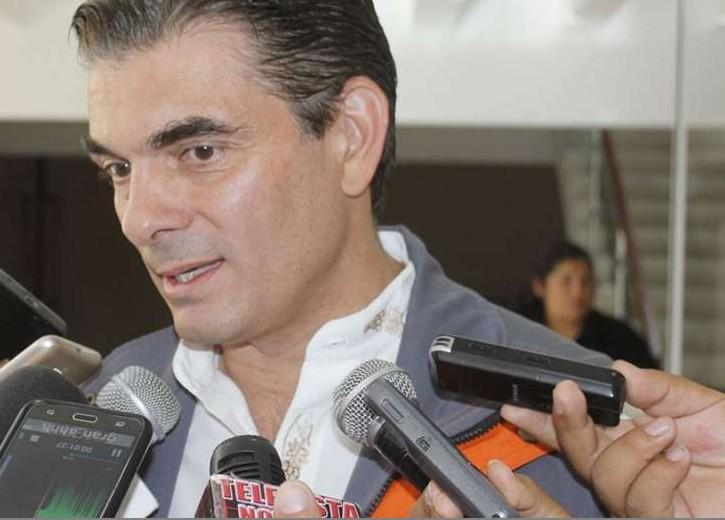
Centrist senator Rodrigo Paz has been elected as Bolivia’s new president, marking a significant political shift after almost 20 years of leftist governance. Paz, representing the Christian Democratic Party (PDC), won 54.5% of the vote in Sunday’s presidential runoff, defeating conservative rival Jorge “Tuto” Quiroga, who garnered 45.5%, according to preliminary results from the electoral tribunal.
Paz will officially assume office on November 8, inheriting a country grappling with its worst economic crisis in decades. In his victory speech from La Paz, he vowed to “open Bolivia to the world” and pursue international cooperation, signaling a new era in Bolivian politics. His moderate stance—committed to preserving social programs while promoting private sector-led economic growth—appealed to disillusioned leftist voters seeking change without austerity.
Paz’s victory ends the dominance of the Movement to Socialism (MAS), founded by former President Evo Morales, which had ruled since 2006. Economic decline, high inflation, and dwindling gas exports weakened the MAS stronghold and shifted voter sentiment toward reform. Paz’s PDC secured 49 of 130 seats in the lower house and 16 of 36 in the Senate, forcing him to build alliances to govern effectively.
The new administration faces urgent challenges, including fuel shortages, inflation, and rebuilding foreign relations. Paz has already discussed a $1.5 billion economic cooperation deal with U.S. officials, aiming to stabilize fuel supplies and attract investment. His plan to phase out universal fuel subsidies—while maintaining targeted support for vulnerable sectors—signals a move toward fiscal responsibility.
With strong support from his populist running mate Edman Lara, Paz now faces the complex task of reviving Bolivia’s economy and uniting a divided nation. His leadership marks a historic turning point, setting Bolivia on a path toward economic reform, political renewal, and global reintegration.







