


 US Supreme Court Strikes Down Hawaii Gun Carry Law on Private Property
  US Urges States and Businesses to Strengthen Taiwan Ties Amid China Pressure
  Israel Heritage Bill Sparks Annexation Concerns in West Bank
  Johns Hopkins University Lays Off 110 Employees as Federal Research Funding Declines
  Trump Administration Rejects Claims of Rift Between JD Vance and Marco Rubio on Iran Policy
  Young Brazilian Voters Shift Right Ahead of 2026 Election
  White House Seeks $1.4 Billion to Combat Growing Ebola Outbreak
  Trump Requests $11 Billion More in Farm Aid as Rising Costs Pressure U.S. Farmers
  Iran Attack in Strait of Hormuz Pushes Oil Prices Higher
  Peru Election Dispute Deepens as Roberto Sanchez Rejects Runoff Results
  Pelosi Discloses Major Intel and Uber Call Option Purchases Worth Up to $6 Million
  U.S. Eases Iran Team Travel Restrictions Ahead of Seattle World Cup Match
  Iran Strait of Hormuz Tensions Rise After Ship Attack Delays IMO Escort Mission
  US Approves $250 Million Fighter Jet Training Sale to Australia
  NATO Chief Tries to Ease Trump Alliance Dispute
  Marco Rubio Reassures Gulf Allies Over U.S.-Iran Peace Deal
  Crimea Power Outage After Ukrainian Drone Attack, Russian Authorities Say


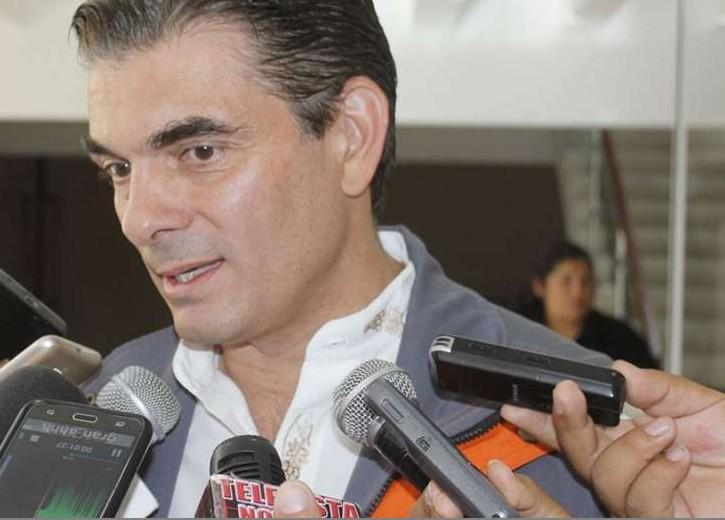
Centrist senator Rodrigo Paz has won Bolivia’s presidential runoff, marking a major political shift after nearly 20 years of leftist governance under the Movement to Socialism (MAS). According to early results from the country’s electoral tribunal, Paz, representing the Christian Democratic Party (PDC), secured 54.5% of the vote, defeating conservative rival Jorge “Tuto” Quiroga, who garnered 45.5%. Paz will officially take office on November 8.
At 58, Paz faces the challenge of governing without a legislative majority — his PDC won 49 of 130 seats in the lower house and 16 of 36 in the Senate. This fragmented Congress means he must form alliances to push through reforms aimed at addressing Bolivia’s worst economic crisis in decades. His moderate platform combines private-sector-driven growth with the continuation of key social programs, appealing to disillusioned MAS supporters wary of Quiroga’s austerity agenda.
Paz’s victory signals the electorate’s desire for economic change amid soaring inflation, declining gas exports, and fuel shortages. He has pledged to secure foreign investment and rebuild strained diplomatic relations with Washington. Both he and Quiroga promised to strengthen U.S.-Bolivia ties, with U.S. Secretary of State Marco Rubio calling the election a “transformative opportunity.” Paz has already proposed a $1.5 billion cooperation deal with the U.S. to stabilize fuel supplies.
A key figure in Paz’s success was his running mate Edman Lara, a former police officer and social media figure whose anti-corruption videos resonated with younger voters. Still, economists warn of looming challenges, from maintaining social stability to restructuring Bolivia’s subsidy-heavy economy. Paz plans to phase out universal fuel subsidies, protecting vulnerable citizens while letting industries pay market rates.
As Bolivia enters this new chapter, Paz promises a pragmatic government focused on rebuilding economic confidenceand restoring democratic balance. His presidency could redefine Bolivia’s political and economic trajectory in the years ahead.







