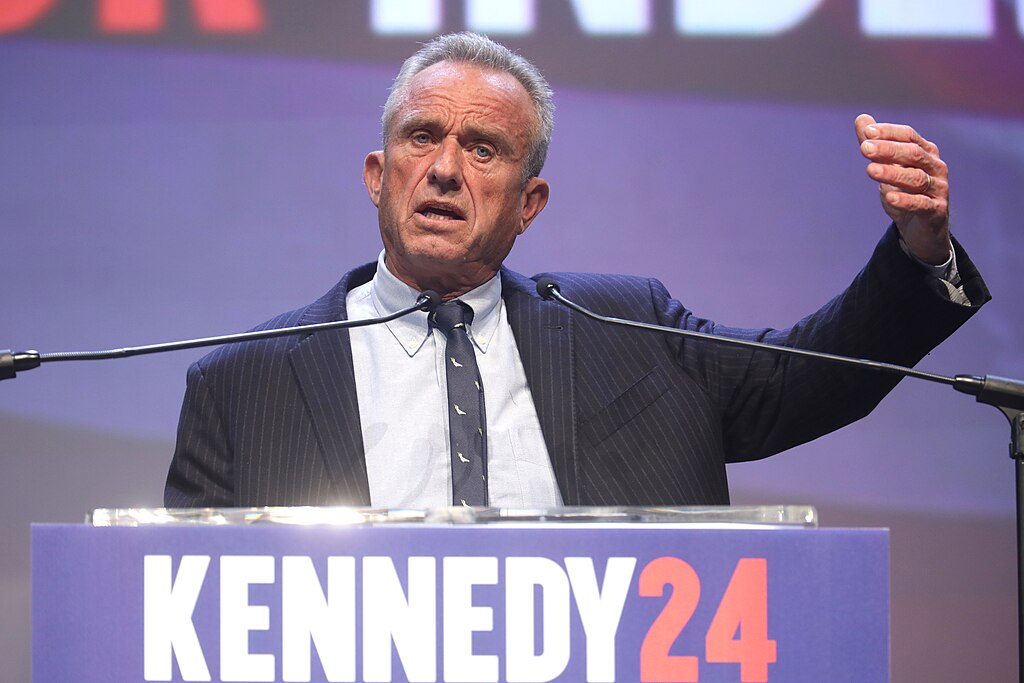
Robert F. Kennedy Jr. is reportedly making waves in Washington as he advocates against the potential nomination of Senator Marco Rubio as Secretary of State in Donald Trump’s upcoming administration. According to sources close to the discussions, Kennedy, a figure known for his outspoken views, has voiced his preference for a more moderate and less hawkish candidate to head U.S. foreign policy. The rumored opposition adds a new layer of intrigue to the evolving cabinet selection process and reflects growing debates within Trump’s camp about the future direction of American diplomacy.
Kennedy’s Concerns: ‘We Need a Fresh Foreign Policy Approach’
Kennedy’s reservations stem from what he reportedly views as Rubio’s “neoconservative” tendencies, which he believes may clash with Trump’s America First agenda. Rubio, a Republican senator from Florida, has long been associated with a hardline stance on foreign policy, advocating for aggressive measures in regions like the Middle East and a strong approach to countering China’s global influence. Known for his hawkish perspectives, Rubio’s potential nomination has garnered both support and criticism, with supporters viewing him as an experienced candidate and detractors, like Kennedy, concerned about his alignment with what some consider outdated interventionist policies.
An insider close to Kennedy revealed that he believes “Rubio’s approach to foreign affairs is rooted in neoconservative ideology,” which Kennedy views as overly aggressive and out of sync with Trump’s vision. “We need fresh eyes and a perspective that’s more cautious about foreign entanglements,” Kennedy is reported to have argued in private discussions. According to these sources, Kennedy has expressed a desire for a Secretary of State who would be less inclined toward military solutions and more focused on diplomacy and economic agreements.
Seeking Alternatives to Rubio: Kennedy’s Push for a Non-Neoconservative Nominee
Kennedy’s advocacy reportedly includes suggesting other candidates who would adopt a less interventionist approach. The exact names Kennedy is backing have not been disclosed, but sources indicate he has suggested alternatives who share his cautious stance on military engagement. His influence, however, remains uncertain as he navigates a Republican-dominated selection process and a team eager to project strength on the global stage.
The idea of Rubio as Secretary of State has sparked a polarized response. While some Trump allies appreciate Rubio’s experience and consistent foreign policy positions, others within the Trump sphere, like Kennedy, fear that his approach could lead the administration toward prolonged international conflicts. Kennedy’s supporters argue that Rubio’s nomination could jeopardize Trump’s populist appeal, which often emphasizes a reduction in foreign interventions.
One political analyst observed, “Kennedy’s pushback highlights a deepening ideological divide within Trump’s potential cabinet over foreign policy.” The analyst continued, “It’s a clear sign that not everyone in Trump’s orbit is ready to embrace a traditional conservative approach to diplomacy, especially with figures like Kennedy advocating for restraint and alternative strategies.”
Growing Influence and Kennedy’s Future Role in the Trump Administration
Kennedy’s involvement in Trump’s cabinet selection process underscores his evolving role within conservative circles. Despite his Democratic lineage and history of progressive stances, Kennedy has increasingly found common ground with Trump supporters on issues such as skepticism toward government institutions and the need for a revamped foreign policy strategy.
As Trump’s inauguration approaches, insiders are watching closely to see if Kennedy’s objections to Rubio’s potential nomination will sway the decision. Whether or not his advocacy succeeds, his vocal stance suggests that his influence within the administration could be significant, potentially steering Trump’s team toward a less interventionist foreign policy.
“Robert F. Kennedy Jr. is drawing a line in the sand,” one insider remarked. “He’s determined to prevent a ‘neocon’ from setting U.S. foreign policy. This could be just the beginning.”