


 AfD Eyes Historic Win in Saxony-Anhalt Election
  Netanyahu Orders West Bank Settler Outposts Dismantled
  EU to Boost Greenland Investment Amid Trump Pressure
  Merz Rejects AfD Alliance After Saxony-Anhalt Surge
  Israel Strikes Southern Lebanon After Hezbollah Drone Attack
  Australia Plans New Rules Giving Users Control Over Social Media Feeds
  Iran Threatens US With ‘Economic Warfare’ as Gulf Tensions Rise
  Iran Vows Tougher Response as U.S. Sanctions Squeeze Economy
  Flavio Bolsonaro Rallies Brazil Opposition Ahead of Election
  U.S. Issues Cuba Health Alert as Illnesses Rise
  Ecuador Backs U.S. Sinking of Vessels in Pacific Anti-Drug Operation
  Trump Threatens Bombardier U.S. Sales Ban
  Sara Duterte Posts Bail Over Grave Threats Case
  Kyiv Mothers Give Birth Amid Russian Drone Attacks
  Israeli Strikes Kill Four in Gaza, Including Two Children
  Trump Peace Envoys Meet Zelenskiy in Kyiv After Putin Talks
  Bolivia Military Barracks Explosion Kills Nine


 Add as a preferred source on Google
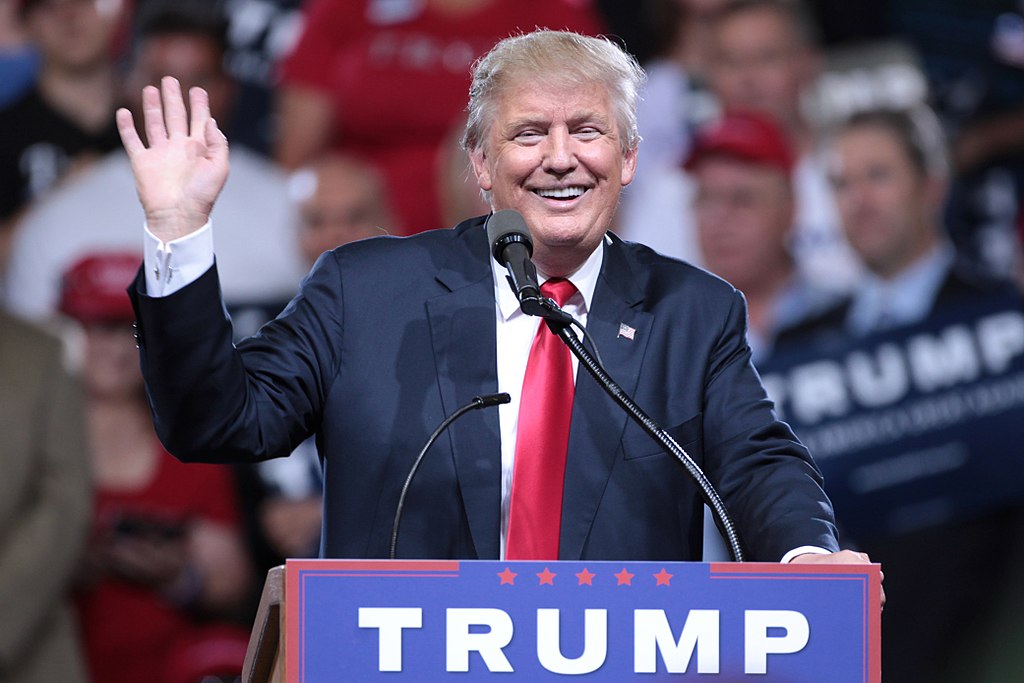
Former President Donald J. Trump’s recent election victory has cast a long shadow over delicate negotiations for a cease-fire in Gaza, throwing the already fraught peace efforts into deeper uncertainty. Analysts and Middle East experts suggest that regional leaders have been adopting a “wait-and-see” approach to the U.S. election, speculating that the new shift in American leadership may alter the dynamics of peace negotiations.
For months, Biden administration officials pushed for a cease-fire to end the hostilities between Israel and Hamas, proposing a multi-stage peace process. Yet, these attempts repeatedly failed to bring the warring factions to the table, hampered by irreconcilable demands from both sides. With Trump set to be inaugurated in January, officials in the region seem to have adopted a cautious approach, waiting for the new administration’s policies before committing to any moves toward peace.
Middle East expert Michael Stephens, of the Royal United Services Institute in London, commented on the stalled efforts, noting, “The sense was that Prime Minister Benjamin Netanyahu was waiting for the results of the U.S. presidential election to make a move. Why would he give Biden anything now?” This sentiment reflects the reality on the ground: the anticipated shift in U.S. foreign policy could influence how regional leaders engage with American mediation efforts.
Humanitarian Toll in Gaza as Leaders Await U.S. Leadership Change
Meanwhile, the humanitarian toll continues to mount in Gaza. Health officials report that more than 43,000 people have lost their lives since the conflict began, with thousands of women and children among the casualties. The war erupted following a brutal Hamas-led attack in October that left approximately 1,200 Israelis dead and 250 taken hostage, triggering a fierce and ongoing Israeli response.
Under Biden’s leadership, the U.S. sought to establish a three-phase truce framework, including a cessation of hostilities, withdrawal of Israeli forces from Gaza, and an exchange of Palestinian prisoners for Israeli hostages. However, attempts to negotiate even a short-term truce have hit a wall, as Hamas continues to demand a complete end to the Israeli offensive as a precondition for any agreement.
Palestinians in Gaza remain skeptical about whether Trump or his former Democratic rival Kamala Harris would have significantly altered their circumstances. Many observers believe the changing U.S. administration might offer only limited, if any, improvement to their situation, given the strong historical U.S.-Israel alliance and Trump’s past support for Israeli policies.
The Road Ahead: Trump’s Inauguration and Regional Reactions
As Trump prepares to reenter the White House, the path to a cease-fire in Gaza appears more complicated than ever. With Netanyahu’s anticipated alignment with the incoming administration, there may be renewed opportunities for negotiations—or a further entrenchment of the status quo. Analysts anticipate that any substantial moves toward peace will likely be delayed until after Trump’s inauguration, a period that could bring further suffering for civilians caught in the crossfire.
Political experts speculate that Trump’s re-entry into the White House may embolden Israeli leaders to continue their hardline stance against Hamas. Conversely, some argue that Trump could choose to leverage his longstanding relationship with Netanyahu to push for a stable resolution, though this remains uncertain.
For now, the Biden administration’s attempts to broker peace appear to be on indefinite hold. As regional leaders, including those in Lebanon, Qatar, and Israel, recalibrate their positions, the world watches to see if Trump’s administration will approach the Middle East conflict with a fresh perspective or reinforce past alliances.
As one Twitter user noted, “The waiting game continues, but with Trump back, the path to peace looks uncertain at best.”







