


 SoftBank Raises $11.1 Billion in Bond Sale to Fund OpenAI Investment
  US Immigration Arrests Surge as Deportations Lag Behind
  Appeals Court Rejects Trump Third-Country Deportation Policy
  Synthetic data could ease people’s concerns about privacy breaches. But who gets to create it?
  BlackBerry Shares Rise as Q2 Earnings, Revenue Beat Estimates
  FDA Weighs Safety Standards for Psychedelic Therapies
  Oracle Shares Fall as New Mexico AI Data Center Faces Power Delays
  Ukrainian Drone Attacks Hit Russian Regions, Injuring at Least 12
  US Northeast Airports Resume Operations After Telecom Outage Disrupts Thousands of Flights
  China Reviews Broadcom Switch Use in State Data Centres
  US Backs Musk in Fight Against EU’s €120 Million X Fine
  North Korea Warns South Korea Over US-Led Defense Role
  Tencent Launches TenPayGo Payment App for Foreign Tourists in China
  SoftBank Launches $11 Billion Bond Sale to Fund OpenAI Investment
  Westinghouse Targets $50 Billion Valuation in U.S. IPO


 Add as a preferred source on Google
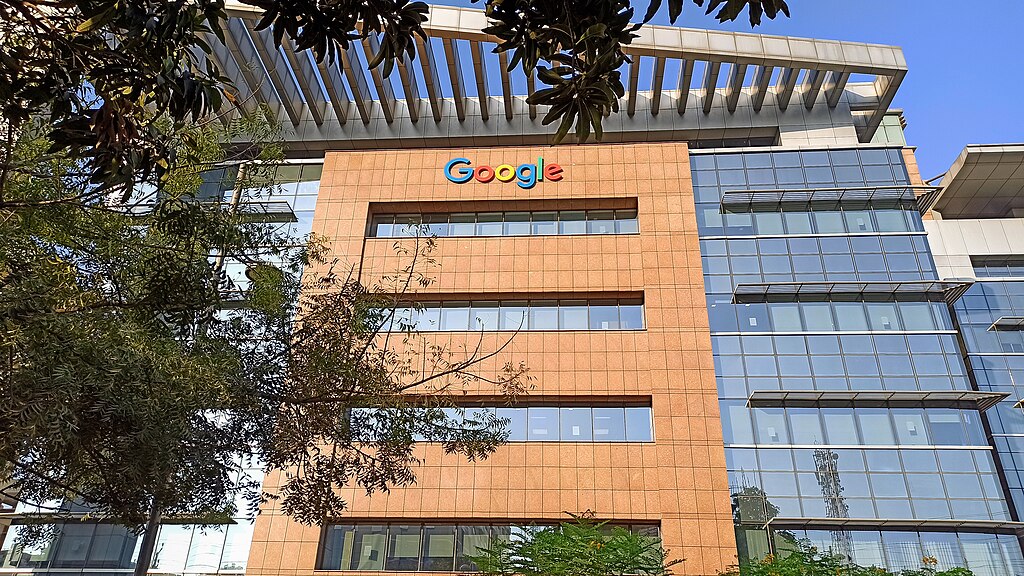
Republican campaign committees are calling on the Federal Trade Commission (FTC) to launch an investigation into Google (NASDAQ: GOOGL) over claims of email suppression targeting conservative groups, according to a report by Axios.
The National Republican Congressional Committee (NRCC) and the National Republican Senate Committee (NRSC) sent a formal letter to FTC Chair Andrew Ferguson, urging the agency to examine whether Google's Gmail algorithm discriminates against conservative emails. The committees allege that during the 2024 election cycle, only 30% of their campaign emails were delivered to recipients' primary inboxes, while the rest were filtered into spam folders—making them unlikely to be seen.
This move marks a renewed clash between the Republican Party and major tech companies, whom the GOP has long accused of censoring conservative voices. The committees are asking that their claims be considered as part of a broader FTC inquiry into the practices of digital platforms, which began in February 2025.
The controversy isn’t new. In 2023, a lawsuit filed by the Republican Party against Google for allegedly suppressing conservative content was dismissed by the courts. However, Republicans continue to argue that algorithmic filtering on Gmail may be unfairly impacting political communication and election transparency.
Google has consistently denied claims of political bias, stating its spam filters operate uniformly based on user behavior and email quality standards.
The renewed allegations underscore ongoing tensions between conservative lawmakers and Silicon Valley giants, particularly over data handling, algorithm transparency, and content moderation policies. The outcome of the FTC's investigation could have wide-reaching implications for political campaigns and digital communication practices ahead of the 2026 midterm elections.







