


 Zelenskiy Warns Russia Preparing Major Attack on Ukraine
  US Plans Two New Military Bases in Greenland Under Arctic Deal
  Trump Says U.S.-Iran Peace Deal Near After UN Talks
  China Tightens Fentanyl Rules Ahead of Trump-Xi Summit
  Burnham Eyes UK Leadership Role in AI Ahead of Trump Meeting
  Trump Scales Back Endangered Species Act Protections
  Carney Condemns Belleville Synagogue Shooting That Wounded Police Officer
  Trump Administration Prepares Sanctions Against Entire ICC
  UK, Mauritius Seek Diego Garcia Base Deal
  Marco Rubio to Meet Russia’s Lavrov in New York
  Vietnam, US Trade Deal Could Be Signed Soon, To Lam Says
  Trump Meets Venezuela’s Delcy Rodriguez at UN Assembly
  Trump Says ‘Freedom’ Is Coming to Cuba
  Paramount-Warner Bros $110 Billion Deal Draws Antitrust Backlash
  Lula Meets Mamdani in New York as Elections Approach
  Taiwan Vows to Advance US Arms Sales Ahead of Trump-Xi Meeting


 Add as a preferred source on Google
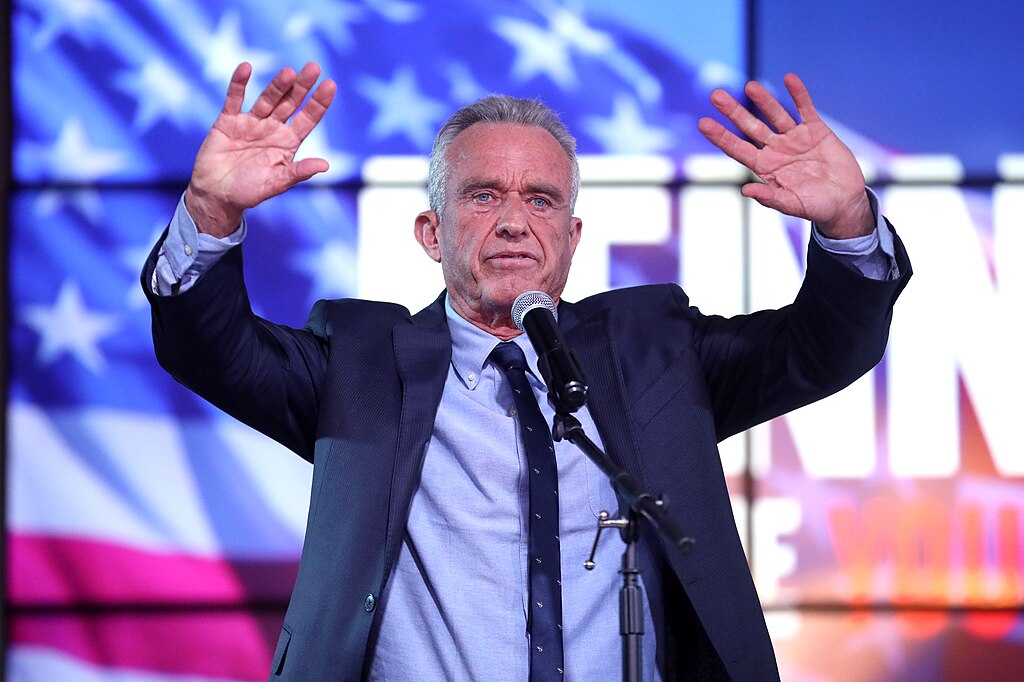
In a surprising turn of events, Robert F. Kennedy Jr. has withdrawn from the presidential race in several key swing states, instead throwing his support behind former President Donald Trump. This strategic move, revealed during a recent interview with Dr. Phil, marks a significant shift in the 2024 presidential election landscape and has the potential to reshape the dynamics of the race.
Kennedy's decision to remove his name from the ballots in battleground states like Pennsylvania and Arizona comes after his campaign team reportedly discovered a crucial piece of polling data. According to Kennedy, the data revealed that 57% of his supporters would switch their allegiance to Trump if he exited the race. This realization prompted Kennedy to make a bold move aimed at bolstering Trump's chances of defeating Vice President Kamala Harris, who recently became the Democratic nominee following President Joe Biden's decision to step down.
The Kennedy-Trump alliance is a significant development in the 2024 race, as Kennedy's independent bid had garnered substantial attention and support, particularly from voters disillusioned with both major parties. By aligning himself with Trump, Kennedy aims to consolidate his base with the former president's, potentially creating a formidable challenge to the Democratic ticket.
Kennedy explained his reasoning during the interview, emphasizing his desire to prevent Harris from winning the election. He cited the polling data as the primary factor in his decision, noting that a majority of his supporters would prefer Trump over Harris if he were no longer in the race. This revelation, Kennedy suggested, made it clear that his continued presence in the race could inadvertently help Harris by dividing the anti-establishment vote.
The decision to withdraw from key states and endorse Trump has sparked a wave of reactions across the political spectrum. Trump supporters have welcomed the move, viewing it as a strategic boost to their candidate's campaign. On the other hand, Democrats and Harris supporters have criticized Kennedy's decision, accusing him of undermining the democratic process by effectively endorsing a candidate with whom he had previously disagreed on several issues.
Kennedy's endorsement of Trump also raises questions about the future of his political career. Once seen as a maverick within the Democratic Party, Kennedy's shift towards Trump marks a dramatic departure from his family's long-standing association with the Democratic establishment. Whether this move will enhance or diminish his influence in American politics remains to be seen.
As the 2024 election draws nearer, the impact of Kennedy's decision will likely become more apparent. With swing states playing a crucial role in determining the outcome of the election, Kennedy's withdrawal and endorsement could prove to be a pivotal moment in the race. Both the Trump and Harris campaigns will now need to recalibrate their strategies to account for this unexpected development, as the battle for the White House intensifies.







