


 South Korea, US Discuss Warship Building Cooperation
  Trump, Xi Focus on Trade and AI at White House Summit
  Novo Nordisk Strikes €1.17 Billion Nanexa Drug Delivery Deal
  Hims & Hers Shares Fall as GLP-1 Costs Widen Q2 Loss
  Judge Orders Trump to Restore White House Access for CNN, MS NOW and Politico
  DOJ Will Investigate AI-Related Crimes, Attorney General Blanche Says
  FDA Weighs Safety Standards for Psychedelic Therapies
  U.S. Imposes New Visa Restrictions Over South Africa Policies
  ICE Agent Arrested in Minneapolis Over Venezuelan Man Shooting
  Novartis M&A Strategy Faces Investor Scrutiny After Drug Setbacks
  Sudan Rejects US Legitimacy Remarks, Defends Sovereignty
  FCC Approves Foreign Investment in $110B Paramount-Warner Bros. Deal
  Judge Blocks Trump Rule Limiting Foreign Student Visas
  Who should own the knowledge that underpins AI technology?
  GLP-1 Weight-Loss Drug Use Surges Among U.S. Children
  US Senate Rejects Iran War Powers Resolution in 50-49 Vote


 Add as a preferred source on Google
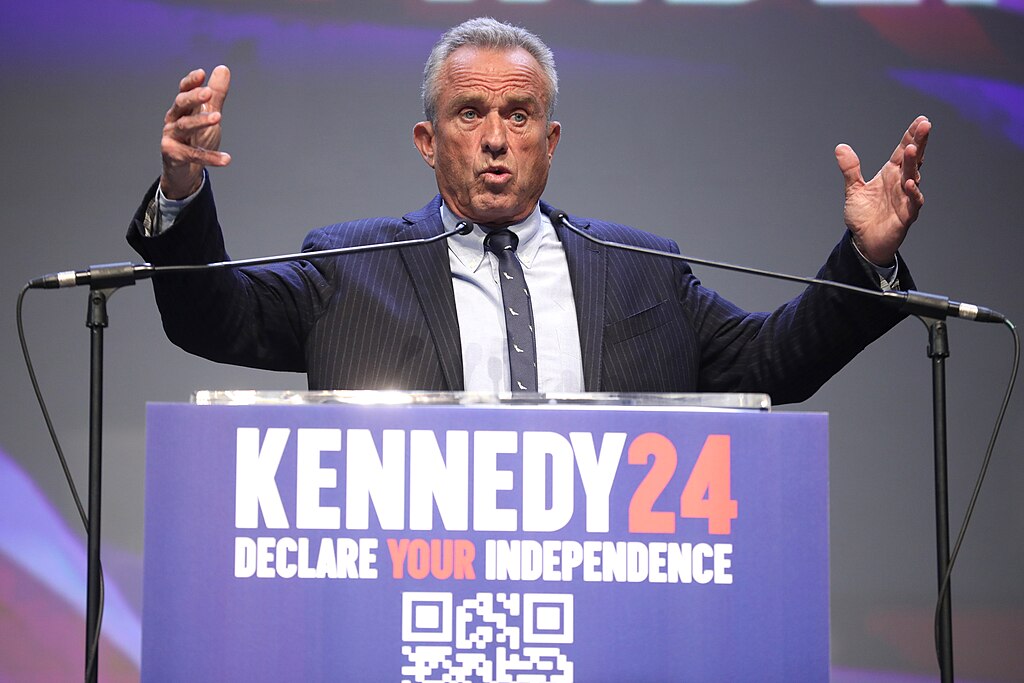
U.S. Health and Human Services Secretary Robert F. Kennedy Jr. is facing backlash after firing all 17 members of the CDC’s Advisory Committee on Immunization Practices (ACIP) and replacing them with eight new members, several of whom have histories of vaccine skepticism. The move has raised concerns among public health experts and lawmakers, including Senator Bill Cassidy, a Republican and physician from Louisiana who chairs the Senate Health Committee.
Cassidy had previously supported Kennedy's confirmation after receiving assurances that the ACIP structure would remain intact. “If confirmed, he will maintain the CDC’s ACIP without changes,” Cassidy had said during a Senate floor speech. However, Kennedy now says he only promised to let Cassidy choose one candidate for the panel, a pledge he intends to honor.
During a Fox News interview, Kennedy denied violating any agreement. “I told Senator Cassidy I would allow him to put one of his candidates on, which we’re going to do,” he stated. Cassidy’s office later clarified the commitment was about maintaining the ACIP process, not preventing staff changes.
Kennedy defended his decision, citing alleged conflicts of interest among the previous members, though he offered no specific evidence. His reshuffle has drawn sharp criticism from the American Medical Association, which called for an investigation and a reversal of the firings. Critics argue that stacking the panel with vaccine skeptics could undermine public trust in immunization policy.
The ACIP plays a key role in advising the CDC on who should receive vaccines after FDA approval. The controversy has intensified scrutiny of Kennedy’s long-standing views on vaccines, which often contradict mainstream medical consensus. With political and public health stakes high, the debate over ACIP’s direction is far from over.







