


 Japanese Pharmaceutical Stocks Slide as TrumpRx.gov Launch Sparks Market Concerns
  U.S. Stock Futures Slide as Tech Rout Deepens on Amazon Capex Shock
  Trump Lifts 25% Tariff on Indian Goods in Strategic U.S.–India Trade and Energy Deal
  Vietnam’s Trade Surplus With US Jumps as Exports Surge and China Imports Hit Record
  Federal Reserve Faces Subpoena Delay Amid Investigation Into Chair Jerome Powell
  Fed Governor Lisa Cook Warns Inflation Risks Remain as Rates Stay Steady
  Trump Signs Executive Order Threatening 25% Tariffs on Countries Trading With Iran
  RBI Holds Repo Rate at 5.25% as India’s Growth Outlook Strengthens After U.S. Trade Deal
  Thailand Inflation Remains Negative for 10th Straight Month in January
  South Korea’s Weak Won Struggles as Retail Investors Pour Money Into U.S. Stocks
  ECB’s Cipollone Backs Digital Euro as Europe Pushes for Payment System Independence
  Gold Prices Slide Below $5,000 as Strong Dollar and Central Bank Outlook Weigh on Metals


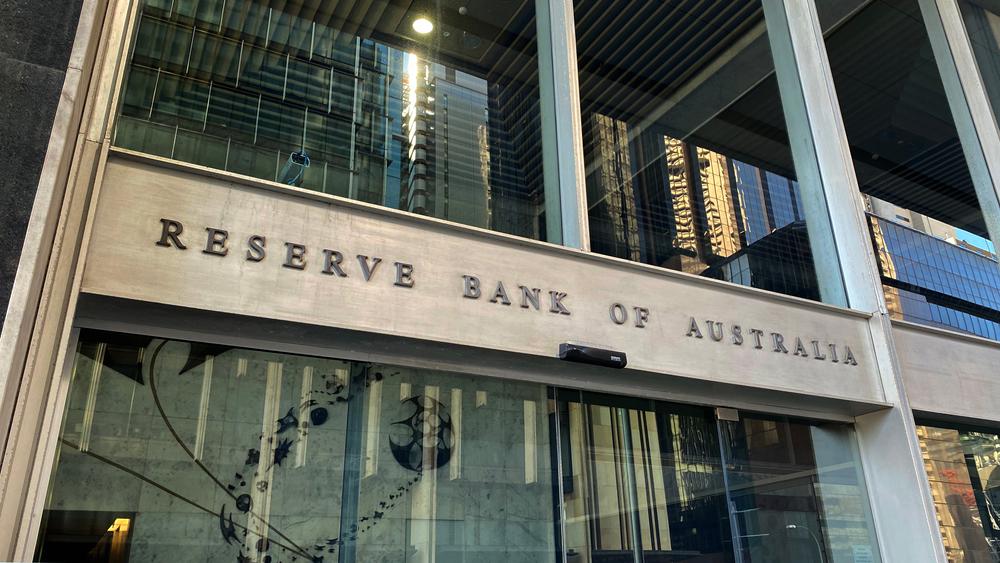
Australia’s central bank considered a steep 50 basis point rate cut in May as a precaution against escalating global trade tensions, particularly from U.S. tariffs, but ultimately opted for a smaller, more predictable 25 basis point reduction. The Reserve Bank of Australia (RBA) lowered the cash rate to 3.85% from 4.10%, according to minutes from the May 20 policy meeting.
Board members acknowledged that while Australia’s economy remained resilient and the labor market was tight, global uncertainties—especially U.S. President Donald Trump’s unexpectedly aggressive tariff policies—posed a significant threat to global and domestic growth. They noted that if worst-case scenarios unfolded, monetary policy might need to shift toward a more expansionary stance, potentially bringing rates below the neutral range, estimated around 3.0%.
The board debated leaving rates unchanged but concluded that domestic inflation progress and subdued household consumption warranted easing. Core inflation returned to the RBA’s 2–3% target band, sitting at 2.9% in Q1 and projected to decline to 2.6% by year-end.
However, policymakers were cautious about cutting too aggressively, citing potential complications if rapid easing had to be reversed. They emphasized the importance of predictable policy moves in a climate of global uncertainty.
Markets currently price in a 70% chance of another rate cut at the RBA’s July 8 meeting, though many economists expect the bank to wait for Q2 inflation data before acting in August. Futures markets see rates bottoming between 2.85% and 3.10% by early next year—levels consistent with neutral monetary policy.
The RBA also flagged concerns that household spending, which had been unexpectedly weak, might not rebound as forecast, reinforcing the case for continued monetary support.













