


 U.S.-India Trade Framework Signals Major Shift in Tariffs, Energy, and Supply Chains
  Gold and Silver Prices Rebound After Volatile Week Triggered by Fed Nomination
  Thailand Inflation Remains Negative for 10th Straight Month in January
  BOJ Rate Decision in Focus as Yen Weakness and Inflation Shape Market Outlook
  Bank of Canada Holds Interest Rate at 2.25% Amid Trade and Global Uncertainty
  Trump Lifts 25% Tariff on Indian Goods in Strategic U.S.–India Trade and Energy Deal
  Trump Signs Executive Order Threatening 25% Tariffs on Countries Trading With Iran
  Bank of England Expected to Hold Interest Rates at 3.75% as Inflation Remains Elevated
  Vietnam’s Trade Surplus With US Jumps as Exports Surge and China Imports Hit Record
  China Extends Gold Buying Streak as Reserves Surge Despite Volatile Prices
  BOJ Policymakers Warn Weak Yen Could Fuel Inflation Risks and Delay Rate Action
  Dollar Steadies Ahead of ECB and BoE Decisions as Markets Turn Risk-Off
  Asian Stocks Slip as Tech Rout Deepens, Japan Steadies Ahead of Election
  RBA Expected to Raise Interest Rates by 25 Basis Points in February, ANZ Forecast Says


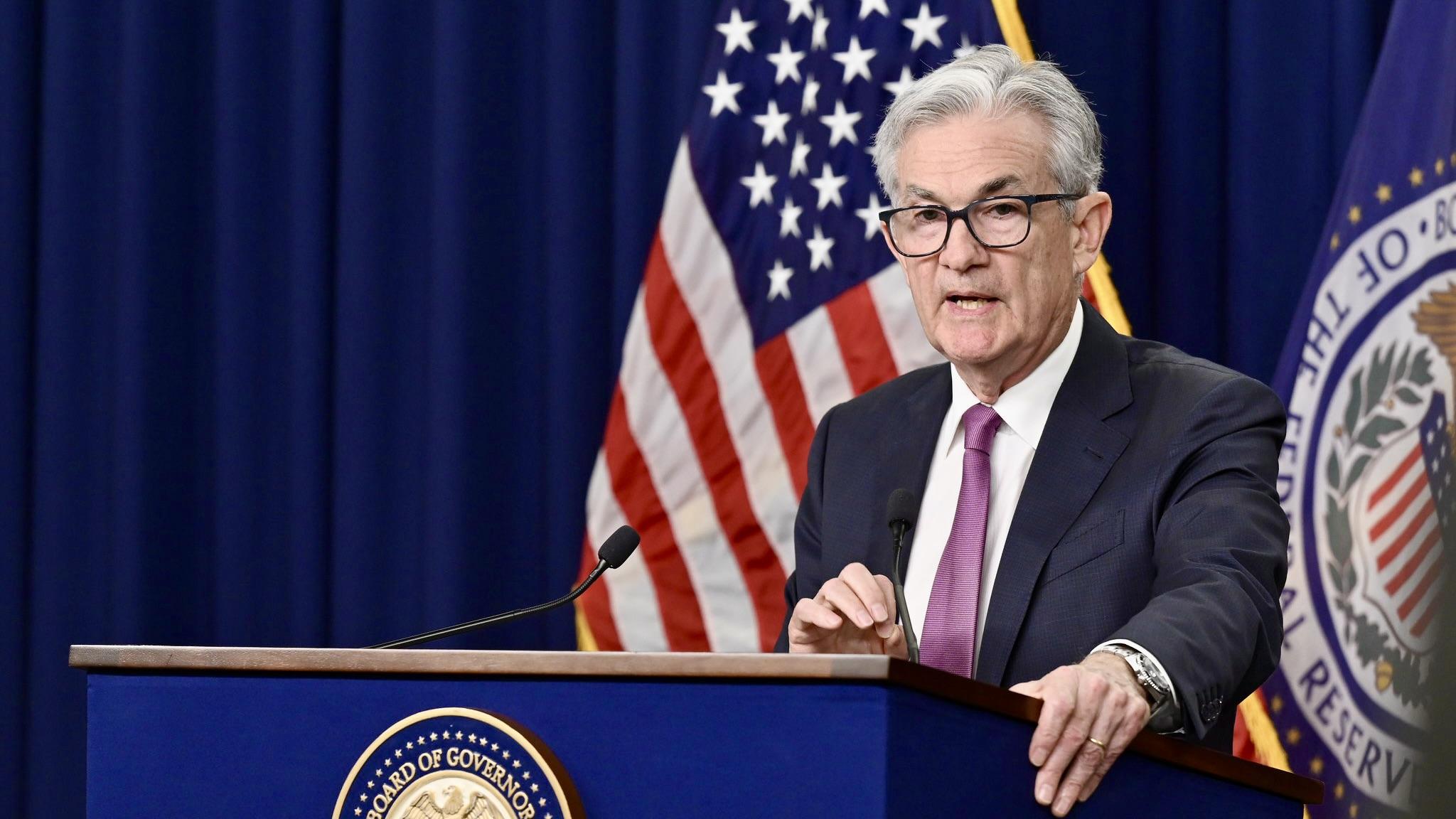
Federal Reserve Chair Jerome Powell cautioned Tuesday that the U.S. economy faces a delicate balancing act with “no risk-free path” as the central bank works to control inflation while supporting jobs. Speaking at the Greater Providence Chamber of Commerce 2025 Economic Outlook Luncheon in Rhode Island, Powell noted that growth has moderated, with GDP expanding at about 1.5% in the first half of the year, compared to 2.5% last year.
The labor market, once a pillar of economic strength, has shown clear signs of cooling. Powell described a “marked slowing in both the supply of and demand for workers,” an unusual development that has pushed the unemployment rate up to 4.3% in August. Payroll growth has also weakened, averaging just 29,000 new jobs per month over the past quarter, signaling rising risks to employment.
Inflation, meanwhile, remains above the Federal Reserve’s 2% target. Total personal consumption expenditures (PCE) prices rose 2.7% year-over-year in August, compared to 2.3% a year earlier. Core PCE, which excludes food and energy, climbed 2.9%. Powell attributed much of the recent uptick to higher tariffs rather than broader inflationary pressures, adding that these effects should be temporary as prices adjust over several quarters.
Acknowledging the shifting risks, the Fed recently cut the benchmark federal funds rate by 25 basis points to a range of 4% to 4.25%. Powell explained that downside risks to employment outweighed inflation concerns, though he stressed the Fed must act carefully. “If we ease too aggressively, we could leave the inflation job unfinished. If we maintain restrictive policy too long, the labor market could soften unnecessarily,” he said.
Powell emphasized that monetary policy remains flexible, with no “preset course,” and reiterated the Fed’s commitment to maximum employment and price stability. His comments highlight the central bank’s challenge of navigating a slowing economy while ensuring inflation returns sustainably to its 2% target.













