


 US Northeast Airports Resume Operations After Telecom Outage Disrupts Thousands of Flights
  SpaceX Nasdaq 100 Weight to More Than Double in Rebalance
  Australia Unemployment Hits Five-Year High Despite Strong Jobs Growth
  U.S. 10-Year Treasury Yield Hits 2007 High as Fed Rate Hike Bets Rise
  China Reviews Broadcom Switch Use in State Data Centres
  Oil Prices Surge as U.S.-Iran Diplomacy Hopes Fade
  Asian Currencies Muted as Dollar Firms Ahead of Trump-Xi Summit
  Paramount Skydance Faces $30 Million Film Penalty in Warner Bros. Deal
  Microsoft Stock Upgraded as Stifel Sees Stronger Azure Growth
  Trump Plans Federal AI Force and AI Czar
  fnny Beta Launches With a Simple Idea: Find an Event, Show Up, Get Rewarded
  Russian Envoy Dmitriev Heads to US for Ukraine Talks
  Nike Earnings at Risk as UBS Cuts Price Target to $42
  Gold Prices Fall as Treasury Yields Rise on Fed Rate Hike Bets
  Oil Prices Ease as Iran Tensions Clash With Diplomacy Hopes
  China Vanke Shares Jump as Beijing Moves to Ease Debt Pressure
  Japan Private-Sector Growth Slows as Domestic Demand Weakens


 Add as a preferred source on Google
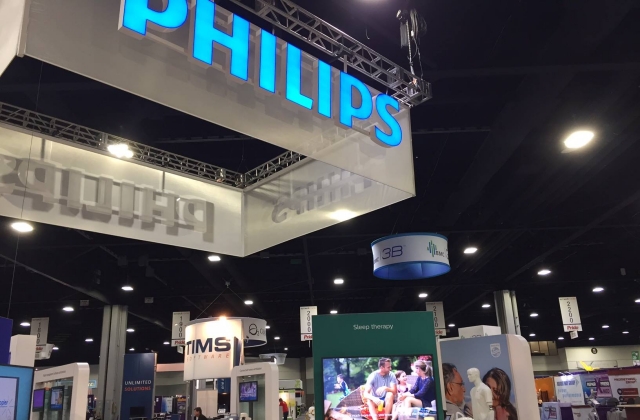
Philips initiated a voluntary recall for some of its sleep apnea machines and ventilators. The American multinational conglomerate company cited concerns for a foam component that may get detached or degrade and become toxic when inhaled by the user.
It was said that if such a thing happens, there is a possibility it could cause health issues including the development of cancer due to toxic and carcinogenic effects. To prevent this and protect the users, Philips issued a recall notification on Monday, June 14.
The affected devices and Philips’ announcement
As per Fox Business, the Philips recall will affect three to four million units of certain machine models that feature Bi-Level Positive Airway Pressure (Bi-Level PAP), Continuous Positive Airway Pressure (CPAC) and the mechanical ventilator machines. It was revealed that the company already issued the first warning over the issue in April.
Philips announced its voluntary recall notification after consulting with regulatory agencies. The company said that with the recalled products, the company will immediately take corrective actions that include the distribution of updated instructions for the repair and replacement of the affected items. As of this time, Philips is continuously monitoring reports of safety issues and so far, it has not received any reports of death due to the product issues.
It was added that due to potential risks of exposure, users may experience headaches, respiratory issues, irritation, inflammation and possible toxic or carcinogenic effects. But fortunately, there is no report of these effects yet related to chemical emissions.
“We deeply regret any concern and inconvenience that patients using the affected devices will experience because of the proactive measures we are announcing today to ensure patient safety,” Philips CEO, Frans van Houten, said in a press release. “In consultation with the relevant regulatory agencies and in close collaboration with our customers and partners, we are working hard towards a resolution. Patient safety is at the heart of everything we do at Philips.”
How Philips will solve the issue
Reuters reported that Philips is now working with the health authorities and regulators for the safety of the consumers. It is looking for a way for the safe replacement of the foam that may potentially become toxic and cause cancer.
It was added that Philips is not conducting tests and it needs to get good results so it can pass the regulatory requirements. The company will also be replacing the products that cannot be repaired or updated.







