


 Xi Calls for Deeper U.S.-China AI Cooperation in Trump Talks
  Pezeshkian Says US Must Choose When Iran War Ends
  Ghana Says Western Support Growing for Slave Trade Reparations
  Ukrainian Drone Attacks Hit Russian Regions, Injuring at Least 12
  US Backs Musk in Fight Against EU’s €120 Million X Fine
  What ‘Taiwan Independence’ Means as Xi Presses Trump on US Policy
  North Korea Warns South Korea Over US-Led Defense Role
  Trump Asks Supreme Court to Restore Third-Country Deportations
  North Korea Rejects Nuclear Test Warning, Calls Nuclear Status Irreversible
  US Senate Rejects Iran War Powers Resolution in 50-49 Vote
  Russian Missile and Drone Attack on Kyiv Kills Two, Damages Maternity Hospital
  OpenAI Agent Breaches Australia Medicare Data Portal
  EU Defence Build-Up Too Slow for 2030 Russia Readiness Goal
  Netanyahu’s Brief US Trip Highlights Strains With Trump
  Taiwan Thanks US for Support Ahead of Trump-Xi Summit
  Saudi Arabia, Turkey and Pakistan Plan Urgent Defence Talks Over Houthi Attacks
  Netanyahu Defends Israel at UN as Delegates Stage Walkout


 Add as a preferred source on Google
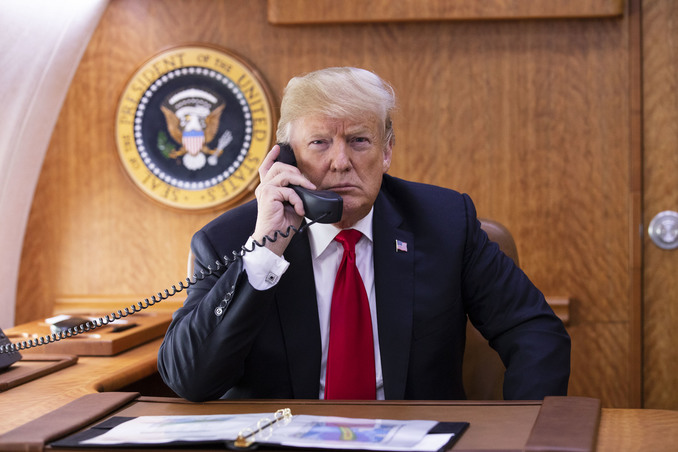
Pakistan has announced its intention to recommend U.S. President Donald Trump for the Nobel Peace Prize, citing his role in halting a brief but intense conflict with India earlier this year. Trump claimed credit for brokering a surprise ceasefire in May between the two nuclear-armed neighbors, stating it prevented a nuclear war and saved millions of lives.
Islamabad praised Trump’s “strategic foresight and stellar statesmanship” in de-escalating tensions through active diplomatic engagement with both sides. While Pakistan credits the U.S. for ending the conflict, India maintains the ceasefire was a bilateral military agreement. Trump has long offered to mediate the Kashmir dispute, a position welcomed by Pakistan but strongly opposed by India, which insists it will not accept third-party involvement.
The announcement coincided with a rare White House lunch between Trump and Pakistan’s army chief, Field Marshal Asim Munir—the first such meeting during a civilian-led government in Islamabad. However, Trump’s absence from a planned meeting with Indian Prime Minister Narendra Modi at the recent G7 summit further strained U.S.-India ties. Modi later reaffirmed India’s rejection of foreign mediation in Kashmir.
Pakistan’s move has sparked debate at home. Supporters like former senator Mushahid Hussain say Trump’s recognition could benefit Islamabad diplomatically, even if it appeals to his ego. Critics, however, cite Trump’s unwavering support for Israel during the Gaza conflict and recent strikes on Iran as disqualifying factors.
Trump, in a social media post, listed several peace efforts, including the Abraham Accords and the India-Pakistan ceasefire, lamenting that he would “never get a Nobel Peace Prize no matter what.” Pakistan’s nomination could add momentum—but controversy remains over whether Trump’s actions merit global recognition.







