


 Russian Missile and Drone Attack on Kyiv Kills Two, Damages Maternity Hospital
  Abbas Reaffirms November 28 Palestinian Elections
  LVMH-Hermès Dispute Deepens Over Secret 2002 Share Deal
  US Backs Musk in Fight Against EU’s €120 Million X Fine
  Trump Administration Prepares Sanctions Against Entire ICC
  Russian Envoy Dmitriev Heads to US for Ukraine Talks
  Trump’s Arlington Arch Project Faces New Court Restrictions
  OpenAI Agent Breaches Australia Medicare Data Portal
  Rodrigo Duterte Makes First Public Appearance at ICC in 18 Months
  ICE Agent Arrested in Minneapolis Over Venezuelan Man Shooting
  Judge Orders Trump to Restore White House Access for CNN, MS NOW and Politico
  Pezeshkian Says US Must Choose When Iran War Ends
  Paramount-Warner Bros $110 Billion Deal Draws Antitrust Backlash
  North Korea Warns South Korea Over US-Led Defense Role
  Paramount Skydance Faces $30 Million Film Penalty in Warner Bros. Deal
  Brazil Court Suspends Sigma Lithium Mine Operations
  Sara Duterte Posts Bail Over Grave Threats Case


 Add as a preferred source on Google
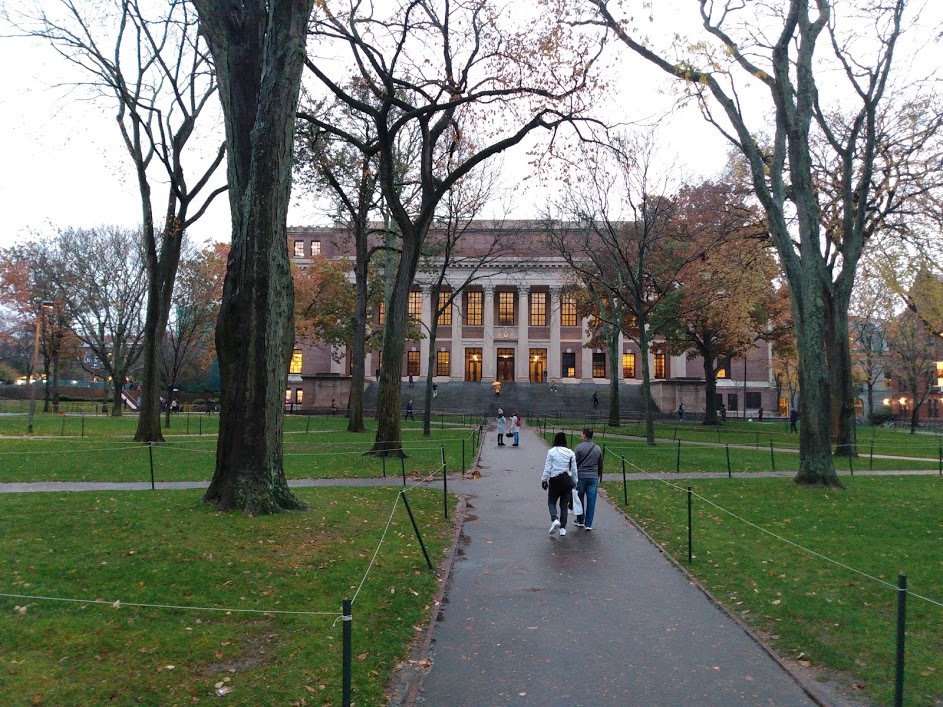
More than 200 presidents from U.S. colleges and universities, including Harvard, Princeton, and Columbia, have jointly denounced what they call unprecedented political interference by the Trump administration in higher education. In a powerful statement, the presidents accused the government of overreach, citing attempts to influence university policies by leveraging federal funding.
The joint letter follows a lawsuit filed by Harvard University accusing the Trump administration of violating the Constitution by pausing $2.3 billion in federal research funding in retaliation for rejecting government demands to monitor student bodies, faculty, and curriculum. The White House argues the funding freeze ensures taxpayer dollars don’t support racial discrimination or antisemitism, pointing to pro-Palestinian student protests as justification.
Harvard, however, contends the administration failed to follow due process under Title VI of the Civil Rights Act, which requires a formal review and Congressional notice before cutting funds. The university's lawsuit, filed in Boston federal court, claims the government is unlawfully using financial pressure to suppress free speech and academic freedom.
Columbia University, facing similar scrutiny, entered negotiations after the administration pulled $400 million in research grants. The administration has also threatened to revoke universities' tax-exempt status and block foreign student enrollment. Amid this climate, schools like Duke University have warned international students against traveling abroad due to increased immigration enforcement.
A Reuters/Ipsos poll shows 57% of Americans—including one-third of Republicans—oppose cutting university funding based on political disagreements. With over 1.1 million foreign students in the U.S., many institutions fear the long-term impact of these escalating tensions on academic freedom, scientific research, and international collaboration in American higher education.







