


 Venezuela Nears Deal to Move $4 Billion in Gold to New York Fed
  Paramount-Warner Bros $110 Billion Deal Draws Antitrust Backlash
  Abbas Reaffirms November 28 Palestinian Elections
  South Korea, US Discuss Warship Building Cooperation
  Trump’s Arlington Arch Project Faces New Court Restrictions
  Ghana Says Western Support Growing for Slave Trade Reparations
  Nvidia-Groq AI Chip Deal Faces U.S. Antitrust Probe
  Trump, Xi Visit US National Archives After White House Summit
  Ukrainian Drone Attacks Hit Russian Regions, Injuring at Least 12
  US Court Approves airBaltic Chapter 11 Restructuring
  DOJ Will Investigate AI-Related Crimes, Attorney General Blanche Says
  Trump Administration Prepares Sanctions Against Entire ICC
  Yemen Violence Displaces 130,000 as Civilian Toll Rises
  Mexico-US Trade Talks Delayed to October as Tariff Negotiations Continue
  France Defends Netanyahu Airspace Clearance Despite ICC Warrant
  Trump Asks Supreme Court to Restore Third-Country Deportations
  Sudan Rejects US Legitimacy Remarks, Defends Sovereignty


 Add as a preferred source on Google
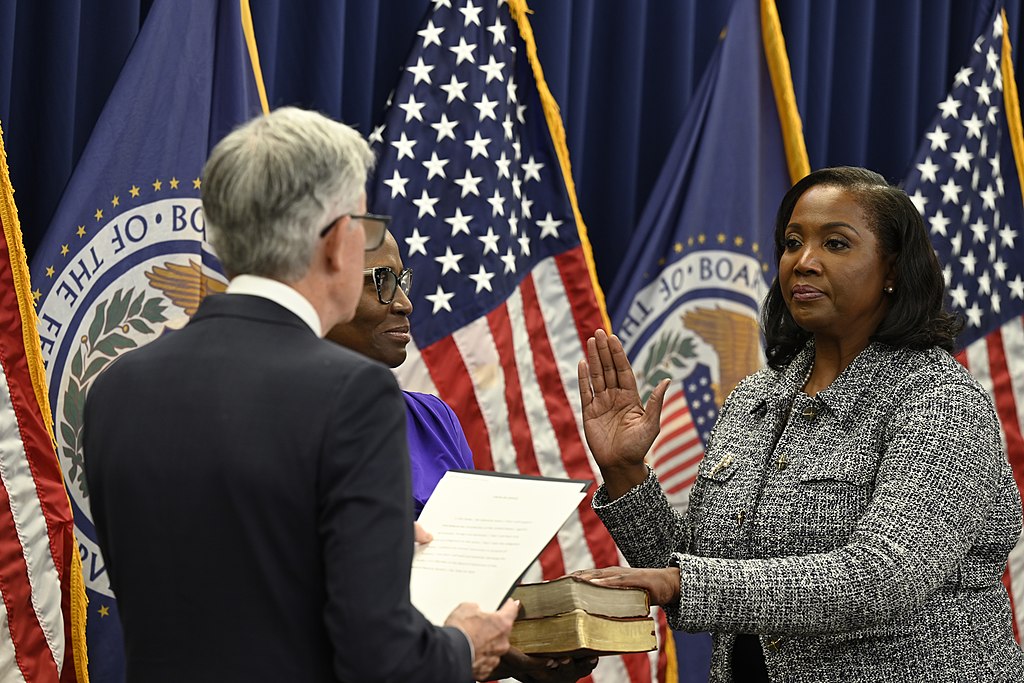
U.S. Supreme Court justices on Wednesday signaled strong skepticism toward President Donald Trump’s unprecedented effort to remove Federal Reserve Governor Lisa Cook, raising serious questions about presidential power and the independence of the central bank. During nearly two hours of oral arguments, both conservative and liberal justices indicated they were unlikely to grant the Trump administration’s request to lift a lower court order blocking Cook’s immediate dismissal while her legal challenge proceeds.
Since the Federal Reserve was established in 1913, no U.S. president has attempted to fire a sitting Fed governor, making this case historically significant. The justices grappled with complex legal issues that lack clear precedent, including what qualifies as “cause” for removal under federal law and whether due process protections apply to Fed officials. Their questions reflected unease about the broader economic and institutional consequences of allowing a president to remove a central bank official based on disputed allegations.
Trump has sought to oust Cook over claims of mortgage fraud, allegations she has denied and which stem from actions that allegedly occurred before she joined the Fed. Several justices expressed concern that Cook was not given formal notice or a meaningful opportunity to respond before the president announced her firing on social media. Conservative Justice Brett Kavanaugh warned that the administration’s position could “shatter” the Federal Reserve’s independence by allowing presidents to rely on weak or unproven accusations to remove officials they disagree with on monetary policy.
Lower courts have already found Trump’s actions likely violated Cook’s Fifth Amendment due process rights and failed to meet the legal standard for removing a Fed governor. Chief Justice John Roberts and others also questioned the administration’s claim that the president’s determination of “cause” is beyond judicial review.
Cook, appointed in 2022 and the first Black woman to serve as a Fed governor, said the case ultimately concerns whether U.S. interest rate policy will be guided by independent judgment or political pressure. A Supreme Court decision is expected by the end of June, with potentially far-reaching implications for presidential authority, central bank independence, and the future balance of power in U.S. economic governance.







