


 U.S. Treasury Yields Surge as 30-Year Hits 22-Year High
  Fed Unveils Stablecoin Rules Under GENIUS Act
  Japan Private-Sector Growth Slows as Domestic Demand Weakens
  European Stocks Fall as Bond Yields and Geopolitical Risks Weigh
  Mexico-US Trade Talks Delayed to October as Tariff Negotiations Continue
  US Stock Futures Fall as Treasury Yields Surge Ahead of Trump-Xi Summit
  China’s ‘Lipstick King’ Says AI Won’t Replace Livestream Hosts
  Soybean Futures Slip as Traders Await Trump-Xi Trade Signals
  RBI Uses $10 Billion Currency Swaps to Drain Excess Rupee Liquidity
  Oil Prices Surge as U.S.-Iran Diplomacy Hopes Fade
  Australia Unemployment Hits Five-Year High Despite Strong Jobs Growth
  Fed Unveils Stablecoin Rules Under GENIUS Act
  Asian Currencies Mixed as Dollar Holds Near Two-Month High
  U.S. Dollar Hits Two-Month High as Oil, Treasury Yields Surge
  Russian Envoy Dmitriev Heads to US for Ukraine Talks
  US, China Extend Trade Truce to Jan. 10 Ahead of Trump-Xi Summit
  Wall Street Ends Flat as Oil, Treasury Yields and Fed Jitters Rattle Markets


 Add as a preferred source on Google
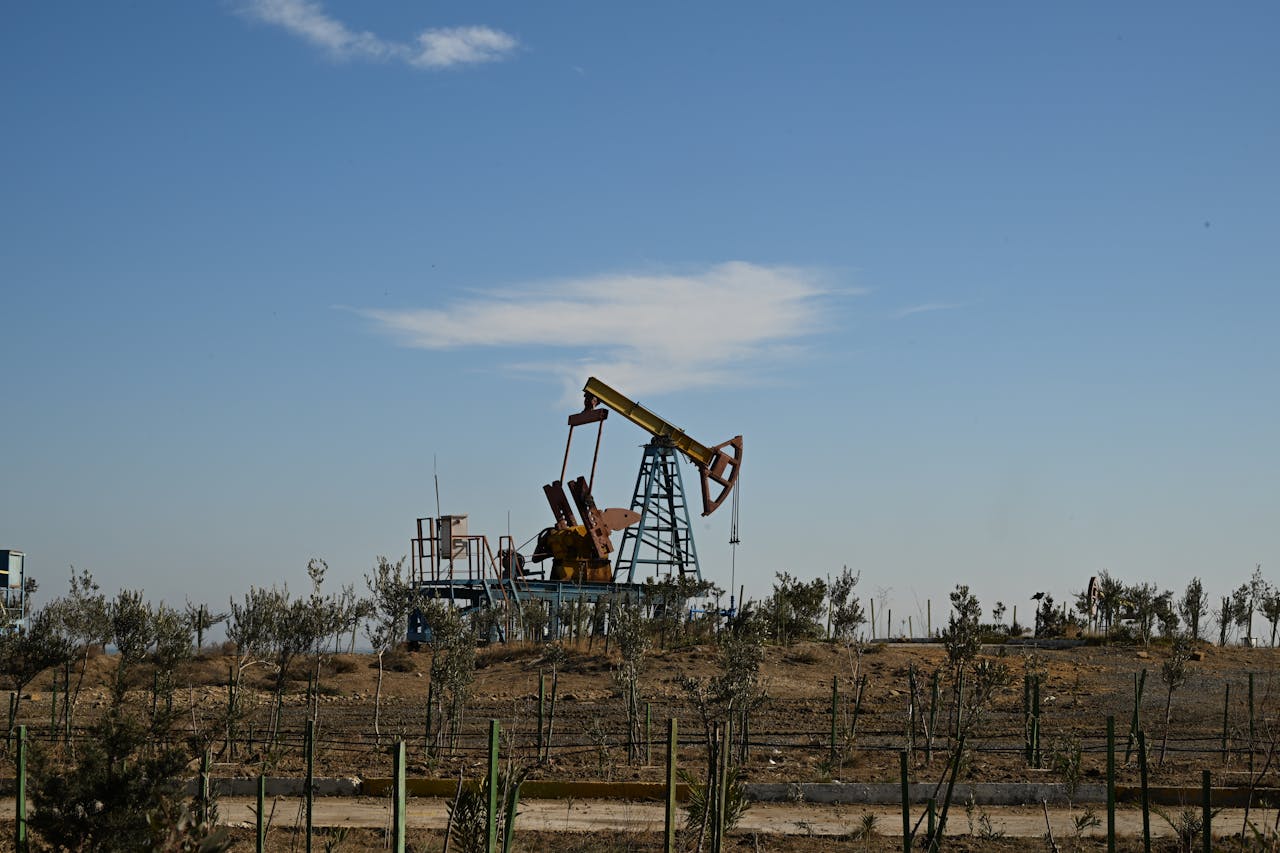
Oil prices climbed sharply during early Asian trading on Monday, building on strong gains from the previous week as geopolitical tensions between the United States and Iran showed little sign of easing. The lack of progress toward peace negotiations and continued disruptions in the Strait of Hormuz have heightened concerns over global crude supply, driving market volatility.
Brent crude futures jumped more than 2%, reaching $107.48 per barrel by late evening trading. The surge reflects growing anxiety among investors as supply routes remain constrained. The Strait of Hormuz, a critical artery for global energy transportation, has seen limited oil flows, intensifying fears of prolonged supply shortages. This key shipping lane typically handles nearly 20% of the world’s crude oil, making any disruption highly impactful on global markets.
Recent political developments have further fueled uncertainty. U.S. President Donald Trump canceled a planned diplomatic trip to Pakistan aimed at facilitating discussions with Iranian officials. The move followed the departure of Iranian representatives from Islamabad, signaling a continued deadlock in negotiations. Despite an earlier ceasefire extension announced in April, tensions between Washington and Tehran remain elevated.
Compounding the situation, the U.S. has maintained a naval blockade against Iran, while Tehran continues to restrict access through the Strait of Hormuz. These actions have significantly reduced oil shipments since late February, tightening global supply and pushing prices higher. Additionally, U.S. Treasury Secretary Scott Bessent confirmed that Washington will not renew waivers that previously allowed the purchase of Russian and Iranian oil shipments currently at sea. This decision removes a temporary buffer that had helped offset supply disruptions.
As geopolitical risks persist and supply constraints remain unresolved, oil markets are expected to stay volatile. Investors are closely monitoring developments in the Middle East, as any escalation or breakthrough in U.S.-Iran relations could significantly influence crude oil prices in the coming weeks.







