


 European Stocks Fall as Bond Yields and Geopolitical Risks Weigh
  Oil Prices Jump 3% as Houthi Attack Revives Supply Fears
  Gold Prices Fall as Treasury Yields Rise on Fed Rate Hike Bets
  Australia Unemployment Hits Five-Year High Despite Strong Jobs Growth
  Oil Prices Surge as U.S.-Iran Diplomacy Hopes Fade
  Dollar Hits Two-Month High as Fed Rate Hike Bets Rise
  Gold Drops Over 1% as Dollar, Treasury Yields Surge on Fed Rate Hike Bets
  US Stock Futures Fall as Treasury Yields Surge Ahead of Trump-Xi Summit
  US, China Extend Trade Truce to Jan. 10 Ahead of Trump-Xi Summit
  Oil Prices Ease as Iran Tensions Clash With Diplomacy Hopes
  Wall Street Ends Flat as Oil, Treasury Yields and Fed Jitters Rattle Markets
  Soybean Futures Slip as Traders Await Trump-Xi Trade Signals
  Wall Street Falls as Treasury Yields Surge, Oil Rebounds on Iran Tensions
  RBI Uses $10 Billion Currency Swaps to Drain Excess Rupee Liquidity
  Asian Currencies Mixed as Dollar Holds Near Two-Month High
  China’s ‘Lipstick King’ Says AI Won’t Replace Livestream Hosts
  US 10-Year Treasury Yield at 6% Emerges as New Market Risk Threshold


 Add as a preferred source on Google
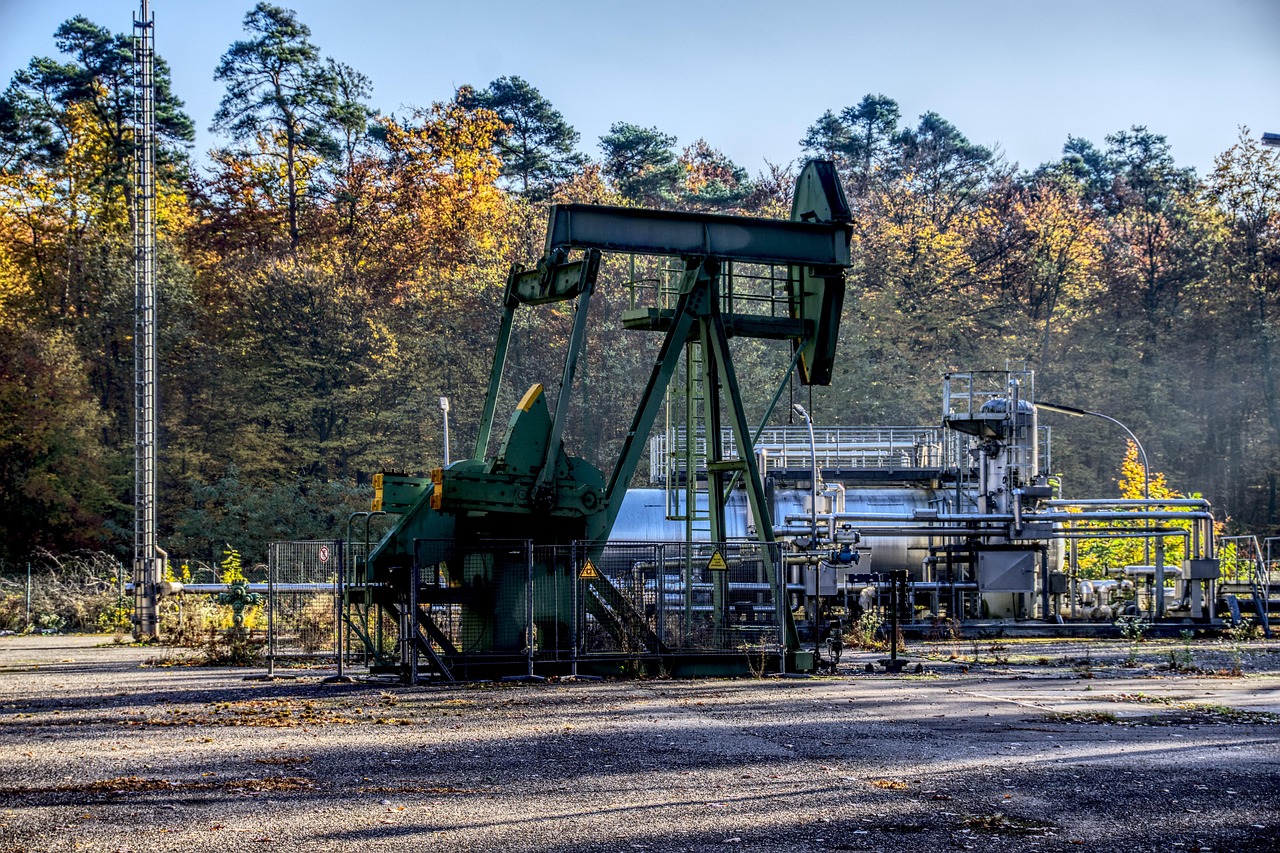
Oil prices surged more than 4% on Wednesday after Iran launched a second wave of ballistic missiles targeting U.S. forces in the Middle East, renewing concerns over regional stability and the potential impact on global crude oil supplies. The rally was further supported by a sharp decline in U.S. crude inventories and growing expectations that OPEC+ could delay planned production increases later this year.
As of 8:47 p.m. ET, Brent crude futures climbed 4.2% to $87.62 per barrel, while West Texas Intermediate (WTI) crude gained 4.1% to $82.49 per barrel. The rebound followed a steep three-day decline of roughly 15% for both benchmarks, driven by hopes that diplomatic efforts between the U.S. and Iran could reduce geopolitical tensions.
Market sentiment shifted after Iran fired multiple ballistic missiles toward U.S. military positions in the region. Although U.S. Central Command said all incoming missiles were intercepted, the attack raised fears that the recent lull in hostilities may be short-lived, increasing the risk of disruptions to oil exports from the Middle East.
Earlier optimism had emerged after Israeli Prime Minister Benjamin Netanyahu met with U.S. President Donald Trump in Washington. Trump said there was a strong possibility of progress in discussions with Iran, but Tehran has denied seeking negotiations or a ceasefire.
Analysts at ANZ also pointed to ongoing concerns surrounding the Strait of Hormuz, one of the world's most important oil shipping routes. Iran reportedly rejected an Omani proposal aimed at creating a joint framework for managing maritime traffic, while tanker movements through the strait remain below normal levels. Saudi Arabia also reported intercepting drones and missiles targeting oil infrastructure in its Eastern Province, highlighting persistent security risks.
Oil prices received additional support after the American Petroleum Institute estimated U.S. crude inventories declined by approximately 3.3 million barrels last week, suggesting resilient demand ahead of official government data. Reports that OPEC+ is considering pausing additional output increases for three months beginning in October also boosted sentiment, reinforcing expectations of tighter global oil supplies despite recent market volatility.







