


 Japan Private-Sector Growth Slows as Domestic Demand Weakens
  Fed Unveils Stablecoin Rules Under GENIUS Act
  U.S. Treasury Yields Surge as 30-Year Hits 22-Year High
  RBI Uses $10 Billion Currency Swaps to Drain Excess Rupee Liquidity
  Wall Street Falls as Treasury Yields Surge, Oil Rebounds on Iran Tensions
  US, China Extend Trade Truce to Jan. 10 Ahead of Trump-Xi Summit
  Trump, Xi Focus on Trade and AI at White House Summit
  Oil Prices Surge as U.S.-Iran Diplomacy Hopes Fade
  Mexico-US Trade Talks Delayed to October as Tariff Negotiations Continue
  Asian Stocks Fall as Surging Bond Yields Rattle Markets
  US Stock Futures Fall as Treasury Yields Surge Ahead of Trump-Xi Summit
  U.S. 10-Year Treasury Yield Hits 2007 High as Fed Rate Hike Bets Rise
  Soybean Futures Slip as Traders Await Trump-Xi Trade Signals
  Russian Envoy Dmitriev Heads to US for Ukraine Talks
  U.S. Dollar Hits Two-Month High as Oil, Treasury Yields Surge
  Australia Unemployment Hits Five-Year High Despite Strong Jobs Growth


 Add as a preferred source on Google
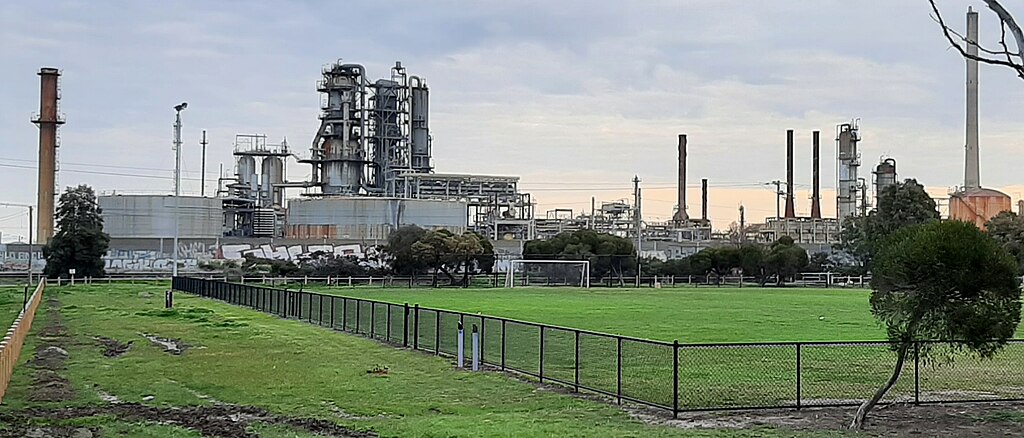
Oil prices edged higher during Asian trading on Thursday as conflicting signals over potential Middle East de-escalation kept energy markets on alert. Brent crude futures for May delivery rose 0.8% to $103.02 per barrel, while WTI crude gained 1% to reach $91.20 per barrel, partially recovering from losses exceeding 2% in the prior session.
The modest rebound came as traders digested cautious diplomatic developments out of Tehran, where Iranian officials are reportedly evaluating a U.S.-backed framework aimed at ending the ongoing conflict. Although Iran has yet to formally accept the proposal, its refusal to outright reject it has injected a degree of cautious optimism into the market. However, Iranian authorities publicly denied engaging in direct talks with Washington, citing unresolved core differences, which continued to fuel uncertainty among investors.
Crude oil prices have experienced extreme volatility in recent weeks following disruptions to energy flows from the Gulf region, a cornerstone of global crude supply. Earlier this month, Brent surged past $119 per barrel driven by fears of major supply outages, underscoring how sensitive energy markets remain to geopolitical risk in the region.
A central concern for oil traders remains the Strait of Hormuz, the critical shipping corridor through which approximately one-fifth of the world's oil supply passes. Any renewed threat to navigation through the waterway could quickly reignite upward pressure on global crude prices.
Wednesday's price decline reflected market relief following early ceasefire reports, which temporarily reduced the geopolitical risk premium built into oil valuations. Meanwhile, Washington's warnings of stronger economic measures should Iran fail to engage meaningfully added yet another layer of complexity to an already fragile outlook.
With diplomatic negotiations fluid and regional tensions unresolved, oil markets are expected to remain highly sensitive to any new developments in the coming days.







