


 Oil Prices Fall on U.S.-Iran Hormuz Deal Hopes
  US Comfortable With Canada Trade Standoff as Import Bans Loom
  Canadian Dollar Faces Pressure as Fed-BoC Policy Gap Widens
  US 10-Year Treasury Yield at 6% Emerges as New Market Risk Threshold
  European Stocks Fall as Bond Yields and Geopolitical Risks Weigh
  Asian Stocks Fall as Bond Yields Surge Ahead of Trump-Xi Summit
  Wall Street Ends Flat as Oil, Treasury Yields and Fed Jitters Rattle Markets
  RBI Uses $10 Billion Currency Swaps to Drain Excess Rupee Liquidity
  Dollar Falls as Oil Eases, Yen Jumps on Intervention Signals
  Japan Private-Sector Growth Slows as Domestic Demand Weakens
  US Stock Futures Fall as Treasury Yields Surge Ahead of Trump-Xi Summit
  Oil Prices Ease as Iran Tensions Clash With Diplomacy Hopes
  China’s ‘Lipstick King’ Says AI Won’t Replace Livestream Hosts
  Asian Currencies Mixed as Dollar Holds Near Two-Month High
  U.S. Dollar Hits Two-Month High as Oil, Treasury Yields Surge
  Dollar Holds Near Two-Month High as Yen Approaches 160


 Add as a preferred source on Google
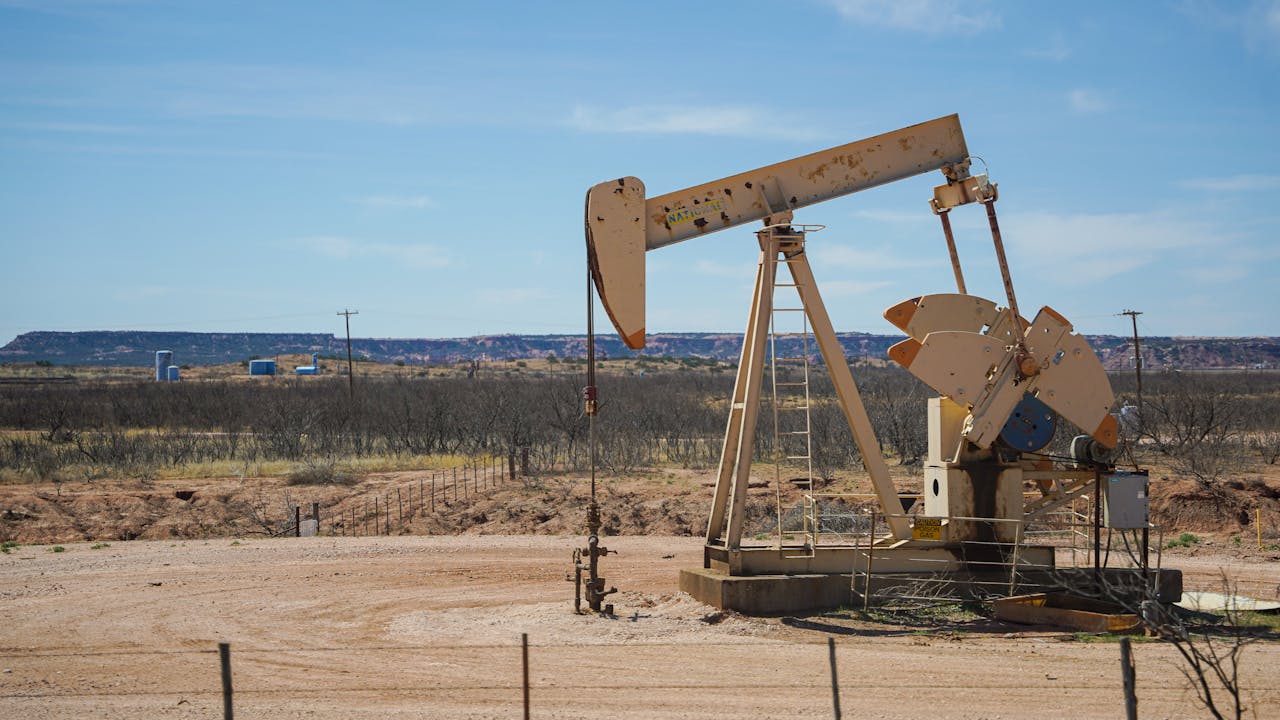
Oil prices rose by nearly 1% in early Thursday trading after U.S. President Donald Trump announced that Indian Prime Minister Narendra Modi had agreed to stop purchasing oil from Russia, a move that could significantly impact global energy markets. Russia currently supplies around one-third of India’s oil imports.
Brent crude futures gained 57 cents, or 0.9%, to $62.48 per barrel, while U.S. West Texas Intermediate (WTI) crude rose 54 cents, or 0.9%, to $58.81. Both benchmarks had previously hit their lowest levels since early May, weighed down by ongoing U.S.-China trade tensions and concerns about a potential global supply surplus next year. The International Energy Agency (IEA) recently warned that rising output from OPEC+ members and non-OPEC producers, combined with slowing demand, could lead to an oversupplied market in 2025.
Trump stated that after India’s decision, Washington would seek similar commitments from China to further limit Russia’s energy revenues. India and China have been Moscow’s largest oil buyers since Western sanctions were imposed over the war in Ukraine. Despite months of U.S. pressure, India had defended its Russian oil purchases as necessary for maintaining national energy security.
“This is a positive development for oil prices at the margin, as it removes one of Russia’s biggest crude buyers,” said Tony Sycamore, market analyst at IG.
Investors are now closely monitoring upcoming U.S. Energy Information Administration (EIA) data after mixed figures from the American Petroleum Institute (API). API data showed U.S. crude stocks rising by 7.36 million barrels and gasoline inventories increasing by 2.99 million barrels, while distillate supplies fell by 4.79 million barrels for the week ending October 10. Analysts expect EIA data to show a smaller crude build of around 0.3 million barrels, suggesting U.S. demand remains relatively weak despite lower distillate inventories.







