


 High Rates Weigh on U.S. Home Improvement Demand
  Asian Stocks Rise as Chipmakers Rally on Micron Earnings
  Nasdaq Futures Jump as Micron Earnings Boost AI Trade
  Yen Strengthens on Tokyo Inflation as Dollar Awaits US Jobs Data
  Asian Currencies Mixed as Yen Slides on BOJ Rate Signals
  Oil Prices Hold Steady as Middle East Supply Risks Persist
  Dollar Hits Three-Month High as US Treasury Yields Surge
  Oil Prices Surge as U.S.-Iran Tensions Fuel Supply Fears
  G20 Divided Over US Push to Curb Industrial Overcapacity
  Australia Inflation Accelerates to 4% After RBA Rate Hike
  Asian Stocks Fall as US Jobs Data and Oil Risks Rattle Markets
  Gold Prices Steady as Markets Await U.S. Jobs Data
  IMF Says Global Bond Markets Remain Orderly Despite Yield Surge
  Gold Steady as Softer U.S. Inflation Eases Fed Rate Hike Bets
  Fed’s Hammack Says More Data Needed Before Next Rate Move
  AI Agents Could Disrupt Financial Services, Bernstein Says
  South Korea Exports Surge 83.5% on AI Chip Boom


 Add as a preferred source on Google
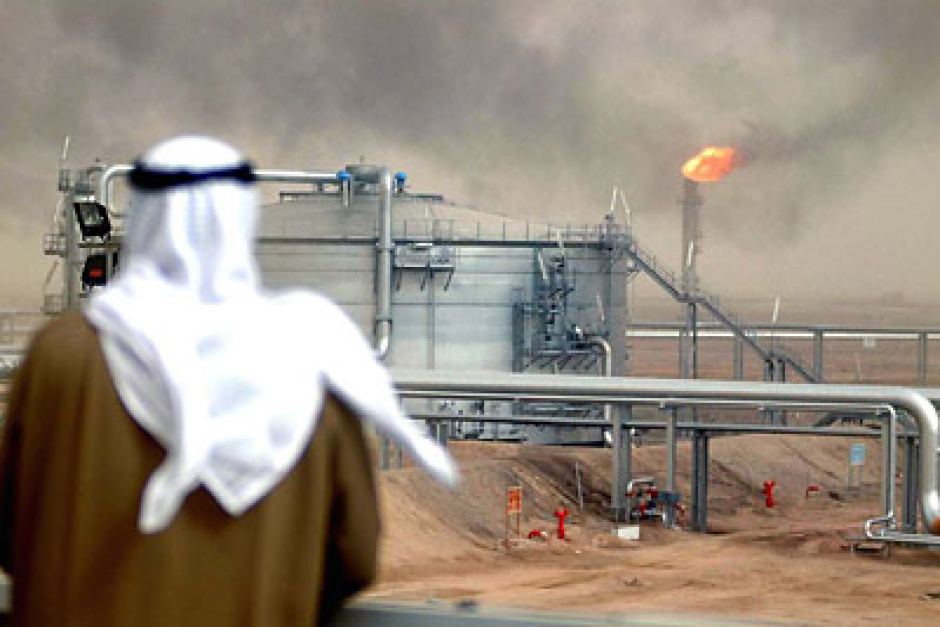
OPEC+ is expected to keep oil production quotas unchanged for November as the ongoing Middle East conflict continues to disrupt crude supplies from several major producers, according to Bloomberg.
Seven key members of the oil alliance, led by Saudi Arabia and Russia, have reached a preliminary agreement to maintain their existing production targets. Delegates said the decision is expected to be finalized during a video conference on Sunday.
Keeping quotas steady would align with the group’s current production strategy. OPEC+ previously indicated that additional increases in output targets would be paused through the end of 2026.
Global oil prices have moved back toward $100 per barrel as the Iran war constrains supplies from the Persian Gulf. Brent crude recently traded above $102 a barrel, while diesel prices have also climbed to record levels at the pump.
The supply crunch has prompted Group of Seven countries to announce plans to release as much as 100 million barrels of emergency crude oil and diesel reserves in an effort to ease pressure on energy markets.
OPEC+ approved several modest production quota increases during the six months through August, theoretically reversing some of the supply cuts introduced in 2023. However, those changes have had a limited effect on actual global oil supplies.
The Middle East conflict has pushed production from major OPEC members, including Saudi Arabia, Iraq and Kuwait, significantly below pre-war levels. As a result, changes to official OPEC+ quotas currently have less influence on physical supply than under normal market conditions.
Gulf producers could regain greater flexibility to raise actual output if regional tensions ease and disrupted infrastructure and export routes return to normal.
OPEC+ is also expected to turn its attention to another tranche of production capacity that has remained offline since 2022. Decisions on restoring those barrels will depend partly on an assessment of individual members’ production capacity, which could shape how future quotas are allocated.
OPEC+ ministers are scheduled to meet on November 29 to determine the alliance’s oil production policy for 2027.







