


 U.S. Stock Futures Steady as AI, Rate Concerns Weigh
  US Alcohol Ban Exposes Canada’s Internal Trade Barriers
  Gold Prices Slip as High Treasury Yields Weigh on Bullion
  Asian Currencies Mixed as Yen Weakens, RBA Hike Looms
  U.S. Stock Futures Fall as Iran, Oil and AI Risks Rattle Markets
  BOJ Signals Faster Rate Hikes as Inflation Risks Grow
  XRP Price Targets $1.70 as Bullish Momentum Builds
  Fed’s Williams Signals One More Rate Hike Before Year-End
  Oil Prices Slide as Middle East Flows Recover
  Asian Currencies Weaken as Dollar, Oil Prices Rise
  UK Housebuilder Stocks Surge on New First-Time Buyer Loan Scheme
  Japan Factory Output Unexpectedly Falls 1.7% in August
  BlackRock’s Rick Rieder Favors Bonds Over Stocks as Treasury Yields Surge
  Gold Rebounds as Oil Falls and Treasury Rout Eases
  US Stocks Slip as Treasury Yields Ease, AI Trade Rebounds
  RBA Hikes Interest Rate to 4.60% as Inflation Risks Rise
  Gold Plunges 4% as Treasury Yields Surge and Fed Rate Hike Bets Rise


 Add as a preferred source on Google
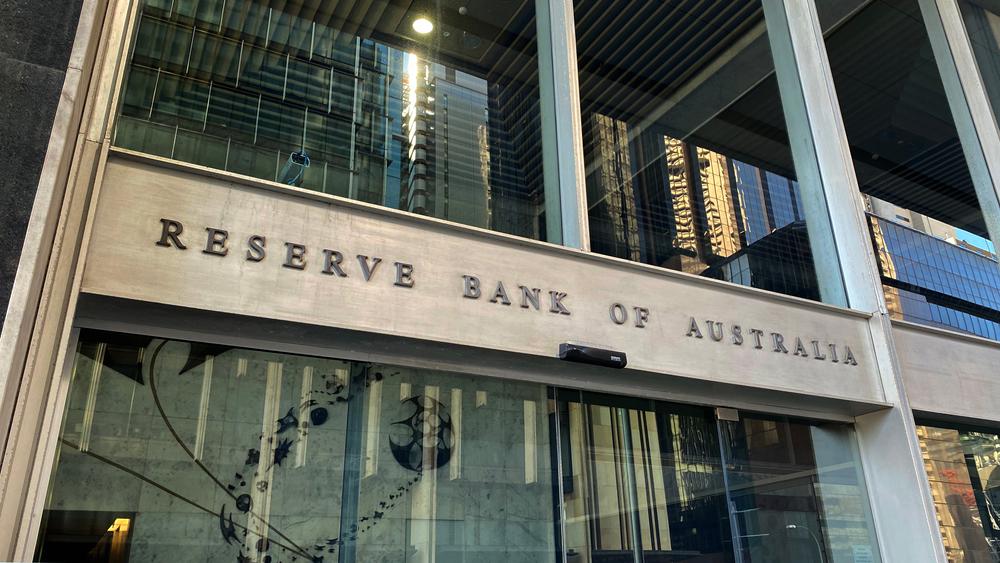
Australia’s consumer inflation accelerated in August, although the increase came in slightly below market expectations, while underlying price pressures remained elevated following the Reserve Bank of Australia’s latest interest rate hike.
Data from the Australian Bureau of Statistics showed the consumer price index rose 4.0% year-on-year in August, accelerating from 3.5% in July but falling just short of economists’ forecast of 4.1%. On a monthly basis, CPI increased 0.4% in original terms and 0.7% after seasonal adjustments.
The trimmed mean inflation measure, closely monitored by the RBA because it excludes unusually large price movements, held at 3.6% annually. It increased 0.2% from July.
Capital Economics said the figures showed no additional strengthening in underlying inflation. However, the trimmed mean climbed 1.0% over the past three months, exceeding the RBA’s 0.8% quarterly inflation forecast for the third and fourth quarters.
Fuel prices were a major driver of August inflation. Automotive fuel costs surged 14.8% from the previous month as global oil prices increased and the remaining federal fuel-excise relief ended. Annual transport inflation reached 5.6%.
Housing costs also added significant pressure. Housing inflation accelerated to 5.7% from 5.0% in July, with new dwelling prices rising 5.4%. Electricity prices jumped 13.2% following the expiration of government rebates, while rents increased 3.6%.
The inflation report came one day after the RBA lifted its cash rate by 25 basis points to 4.60%, marking its fourth increase this year and taking rates to a 15-year high. The central bank cited higher energy costs, domestic capacity constraints and rising technology-related prices among emerging inflation risks.
The RBA left open the possibility of further tightening, with its next monetary policy meeting scheduled for November 2-3. However, Governor Michele Bullock indicated that August CPI figures would not determine the bank’s next decision because they are backward-looking.
Capital Economics expects the RBA to remain cautious while assessing whether inflation pressures ease, maintaining its view that interest rates have already peaked. Meanwhile, the Australian dollar weakened modestly, while the S&P/ASX 200 traded higher.







