


 Trump Eyes $54 Billion South Korean Investment in Alaska LNG
  Gold Steady as Softer U.S. Inflation Eases Fed Rate Hike Bets
  Nasdaq Futures Jump as Micron Earnings Boost AI Trade
  South Korea Exports Surge 83.5% on AI Chip Boom
  Oil Prices Surge as U.S.-Iran Tensions Fuel Supply Fears
  Asian Stocks Fall as US Jobs Data and Oil Risks Rattle Markets
  Yen Strengthens on Tokyo Inflation as Dollar Awaits US Jobs Data
  Australia Inflation Accelerates to 4% After RBA Rate Hike
  IMF Says Global Bond Markets Remain Orderly Despite Yield Surge
  Gold Prices Slip as High Treasury Yields Weigh on Bullion
  BOJ Signals Faster Rate Hikes as Inflation Risks Grow
  US Alcohol Ban Exposes Canada’s Internal Trade Barriers
  Asian Stocks Mixed as Markets Await U.S. Jobs Data
  Fed’s Williams Signals One More Rate Hike Before Year-End
  Asian Stocks Rise as Chipmakers Rally on Micron Earnings
  Dollar Hits Three-Month High as US Treasury Yields Surge
  Wall Street Edges Higher as Treasury Yields Retreat


 Add as a preferred source on Google
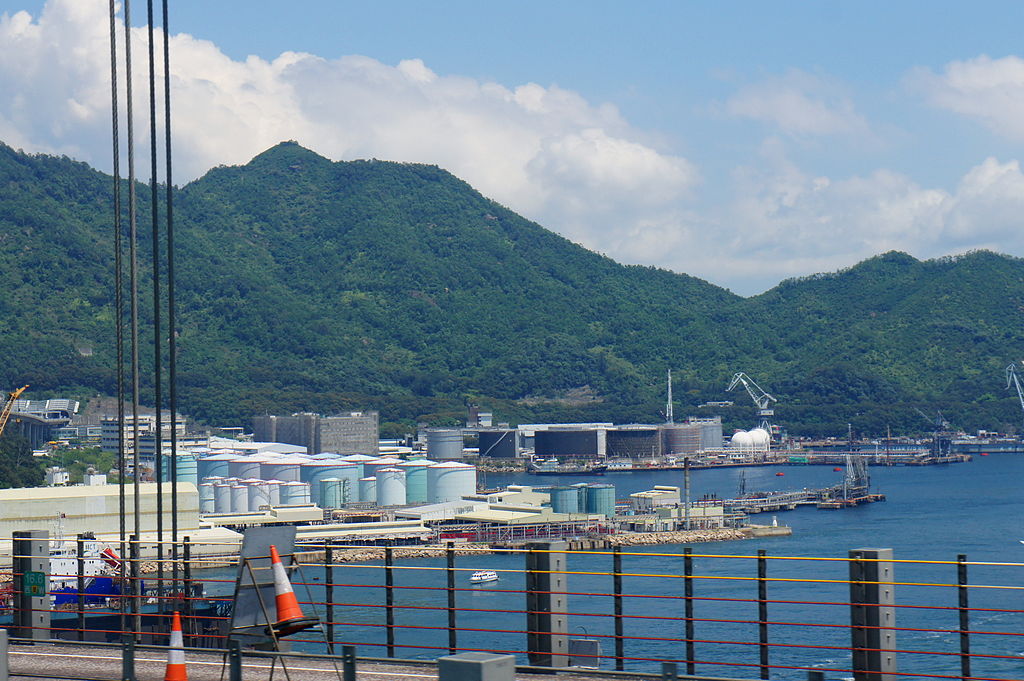
Oil prices were little changed on Friday after a sharp rally in the previous session, as traders weighed the risk of escalating Middle East tensions and potential disruptions to global crude supplies.
Brent crude futures for December delivery rose 0.2% to $102.55 per barrel as of 21:38 ET (01:38 GMT), while West Texas Intermediate (WTI) crude futures gained 0.1% to $92.92 per barrel. Brent and WTI had surged by more than $4 and $2, respectively, on Thursday.
The latest oil price rally followed a Wall Street Journal report that the United States was considering deploying another aircraft carrier group and additional troops to the Middle East amid its war with Iran. The prospect of increased U.S. military activity fueled concerns that further escalation could disrupt oil production and shipping across the region.
Energy markets remain particularly focused on the Strait of Hormuz, a strategically important shipping route for global oil and fuel supplies. Any disruption to tanker movements or regional energy infrastructure could tighten supplies and drive crude prices higher.
However, Gulf oil exports have recently shown signs of recovery. Saudi Arabia has restarted operations on its East-West Pipeline and resumed tanker loadings from Yanbu following earlier disruptions, helping restore some regional supply flows.
Fuel markets are also facing fresh pressure after reports that Chinese refiners suspended fuel exports outside Hong Kong and Macau for October. The move could reduce international supplies of diesel, gasoline and jet fuel at a time when refined-product markets are already tight.
Global diesel supplies have been squeezed by lower Russian exports and concerns about possible restrictions on U.S. fuel shipments. Washington has reportedly encouraged European countries to consider releasing emergency diesel reserves to ease market pressure.
Despite heightened geopolitical risks and the recent surge in crude prices, further gains have been restrained by recovering Middle East exports and concerns about global oil demand. Traders are now closely watching military developments, refinery output, inventories and tanker movements for signs of additional supply disruptions.







