


 Asian Currencies Mixed as Yen Slides on BOJ Rate Signals
  Fed’s Hammack Says Bond Yield Surge Is Not Driven by Inflation Fears
  BOJ Set for Rate Hike as Inflation and Yen Pressure Mount
  Dollar Hits Three-Month High as US Treasury Yields Surge
  Fed Rate Hike Threatens Housing as U.S. Growth Leans on AI, Citi Says
  Asian Stocks Mixed as Markets Await U.S. Jobs Data
  Oil Prices Surge as U.S.-Iran Tensions Fuel Supply Fears
  AI Agents Could Disrupt Financial Services, Bernstein Says
  Australia Inflation Accelerates to 4% After RBA Rate Hike
  Asian Stocks Rise as Chipmakers Rally on Micron Earnings
  Oil Prices Steady as Middle East Crude Flows Recover
  Nasdaq Futures Jump as Micron Earnings Boost AI Trade


 Add as a preferred source on Google
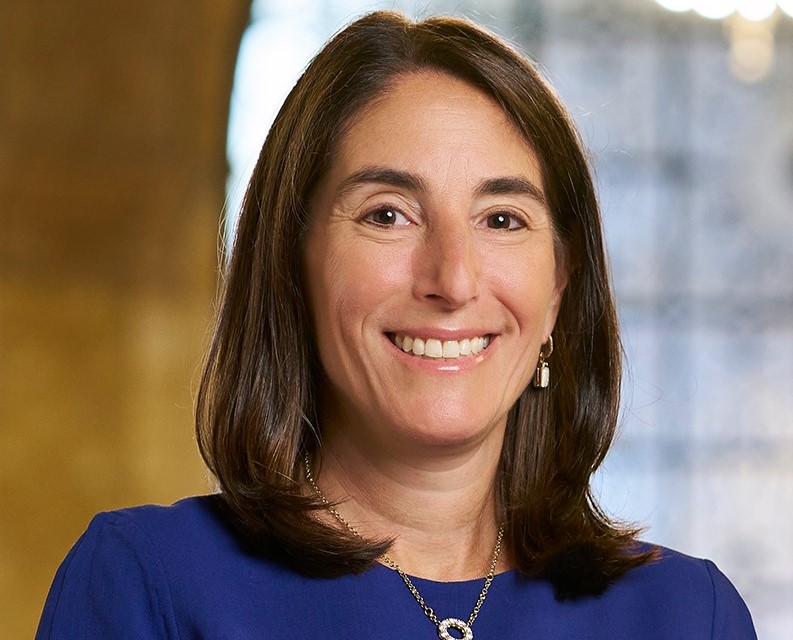
Federal Reserve Bank of Cleveland President Beth Hammack said policymakers have time to review additional economic data before determining their next move on U.S. interest rates, signaling that the latest weak jobs report may not dictate the Fed’s policy path.
Speaking to PBS NewsHour, Hammack said September’s employment figures were broadly consistent with recent labor market trends. U.S. nonfarm payrolls increased by just 29,000 during the month, while the unemployment rate rose to 4.2%.
Despite the soft headline figure, Hammack highlighted that the economy has generated an average of about 41,000 jobs per month over the past year. She said that pace is roughly consistent with her estimate of the job growth needed to maintain stability in the labor market.
Her comments indicate Federal Reserve officials are unlikely to base their next interest rate decision on a single employment report. Policymakers will receive additional economic indicators before the Federal Open Market Committee meets on October 27-28, allowing them to evaluate inflation, employment and broader economic conditions.
Hammack has previously supported maintaining higher interest rates to combat inflation, which remains above the Fed’s desired level. Her latest remarks echo comments from other Fed officials who have emphasized the importance of assessing incoming economic data before considering further monetary tightening.
The Federal Reserve raised its benchmark interest rate by 25 basis points at its September meeting, taking the target range to 3.75% to 4%. Policymakers also projected another rate increase before the end of the year.
Recent Fed commentary has suggested officials are unlikely to adjust rates at the October meeting. That would leave the timing of another potential rate hike dependent largely on upcoming inflation, employment and economic growth data.
September’s jobs report therefore adds to a complicated outlook for the Federal Reserve, which must balance slowing hiring against persistent inflation pressures while determining whether additional interest rate increases are necessary.







