


 Fed Unveils Stablecoin Rules Under GENIUS Act
  US Stock Futures Fall as Treasury Yields Surge Ahead of Trump-Xi Summit
  Europe’s AI Data Centre Boom Strengthens Case for Nuclear Power
  European Stocks Fall as Bond Yields and Geopolitical Risks Weigh
  Asian Stocks Fall as Surging Bond Yields Rattle Markets
  Germany’s 2026 Growth Outlook Strengthens on Fiscal Spending
  Gold Holds Near $4,275 as Rising Treasury Yields Fuel Fed Rate Hike Bets
  U.S. Dollar Hits Two-Month High as Oil, Treasury Yields Surge
  US Comfortable With Canada Trade Standoff as Import Bans Loom
  Canadian Dollar Faces Pressure as Fed-BoC Policy Gap Widens
  US Stocks Face Jobs, Inflation Test as Fed Rate Hike Bets Rise
  Japanese Yen Rebounds as Trump Flags Currency Weakness
  Japanese Bank Stocks Surge as Bond Yields Fuel Rate Hike Bets
  Trump to Ease U.S. Fuel-Economy Standards
  Dollar Falls as Oil Eases, Yen Jumps on Intervention Signals
  Oil Prices Jump 3% as Houthi Attack Revives Supply Fears


 Add as a preferred source on Google
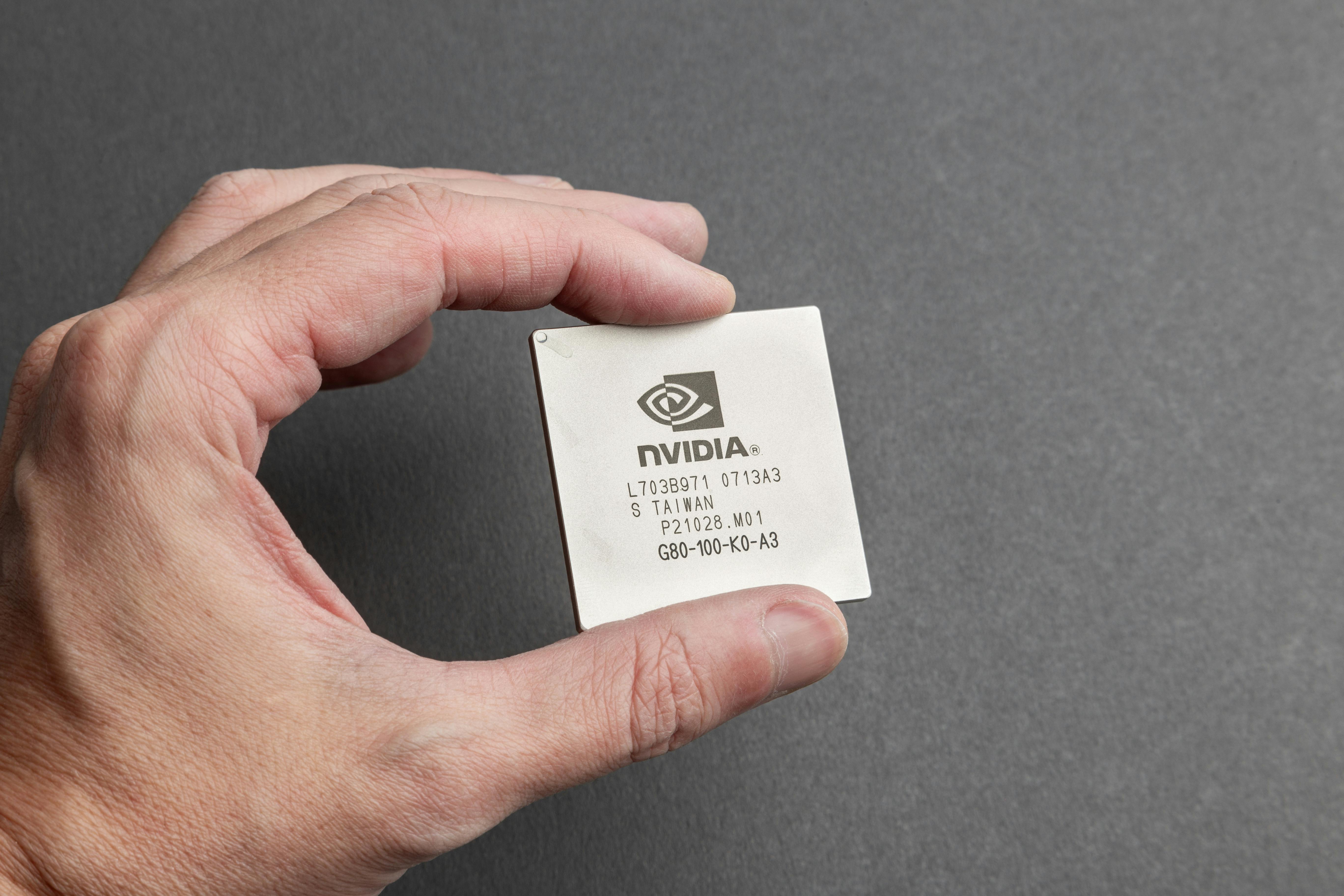
Nvidia Corporation (NASDAQ) saw its shares fall on Friday after reports emerged that Chinese regulators are encouraging local companies to buy artificial intelligence (AI) chips made in China rather than those produced by Nvidia, according to sources cited by Bloomberg.
The chipmaker's stock dropped about 3% in recent trading, as the report highlighted Beijing’s push to bolster its domestic semiconductor industry and reduce dependence on U.S. technology amid ongoing trade tensions.
Regulators Discourage Nvidia Chip Purchases
Chinese authorities are reportedly discouraging companies from purchasing Nvidia’s A800 and H800 chips, which are designed for developing and deploying AI models, sources familiar with the matter told Bloomberg. The move is part of China's effort to accelerate its semiconductor capabilities and cushion the impact of U.S. export restrictions on advanced technology.
Guidance, Not a Ban
The new policy is not an outright ban on Nvidia's chips, according to the sources. Instead, it is framed as guidance to promote domestic semiconductor solutions. Chinese regulators aim to support local AI startups without imposing strict prohibitions or exacerbating geopolitical tensions with the U.S.
By encouraging domestic companies to buy locally-made AI chips, Chinese officials hope to strengthen the country’s technology sector and reduce reliance on foreign suppliers. At the same time, they are cautious about impeding the growth of the burgeoning AI industry in China or igniting further conflict with U.S. policymakers.
No Comment from Nvidia or Chinese Ministries
Nvidia declined to comment when approached by Bloomberg. Additionally, China’s Ministry of Commerce, Ministry of Information and Technology, and Cyberspace Administration did not respond to Bloomberg's faxed requests for comment.
The reported shift in China's semiconductor policy comes as the global chip industry faces increasing scrutiny amid heightened U.S.-China trade tensions. Washington has imposed restrictions on advanced chip exports to China, which have affected American semiconductor companies such as Nvidia.
China's Push for Self-Reliance in Technology
China has been ramping up its efforts to develop its semiconductor industry in recent years, aiming to achieve self-reliance in key technologies, including AI chips. This move aligns with Beijing’s broader goal of reducing dependence on U.S. technology amid rising concerns over supply chain vulnerabilities and national security.
Nvidia, a leading provider of AI chips worldwide, has been impacted by these tensions and policies as the global semiconductor landscape continues to shift.







