


 Pope Leo Backs Press Freedom After White House Media Ban
  Abbas Reaffirms November 28 Palestinian Elections
  Trump Warns China Against Supporting Iran in Xi Talks
  EU Agrees €6.6 Billion Military Aid Funding for Ukraine
  France Defends Netanyahu Airspace Clearance Despite ICC Warrant
  US Supreme Court Revives Trump Administration Voter Citizenship Database
  Najib Razak Seeks Stay of 15-Year 1MDB Prison Sentence
  US Backs Musk in Fight Against EU’s €120 Million X Fine
  Pope Leo Warns UN, Multilateral Groups Face Crisis
  Trump Asks Supreme Court to Restore Third-Country Deportations
  North Korea Warns South Korea Over US-Led Defense Role
  Putin Says Ukraine Peace Proposals Remain on Table
  Pezeshkian Says US Must Choose When Iran War Ends
  Saudi Arabia, Turkey and Pakistan Plan Urgent Defence Talks Over Houthi Attacks
  Colombia Extradites FARC Dissident Leader ‘Spider’ to US
  Evan Gershkovich Says FSB Set Trap for 2023 Russia Arrest


 Add as a preferred source on Google
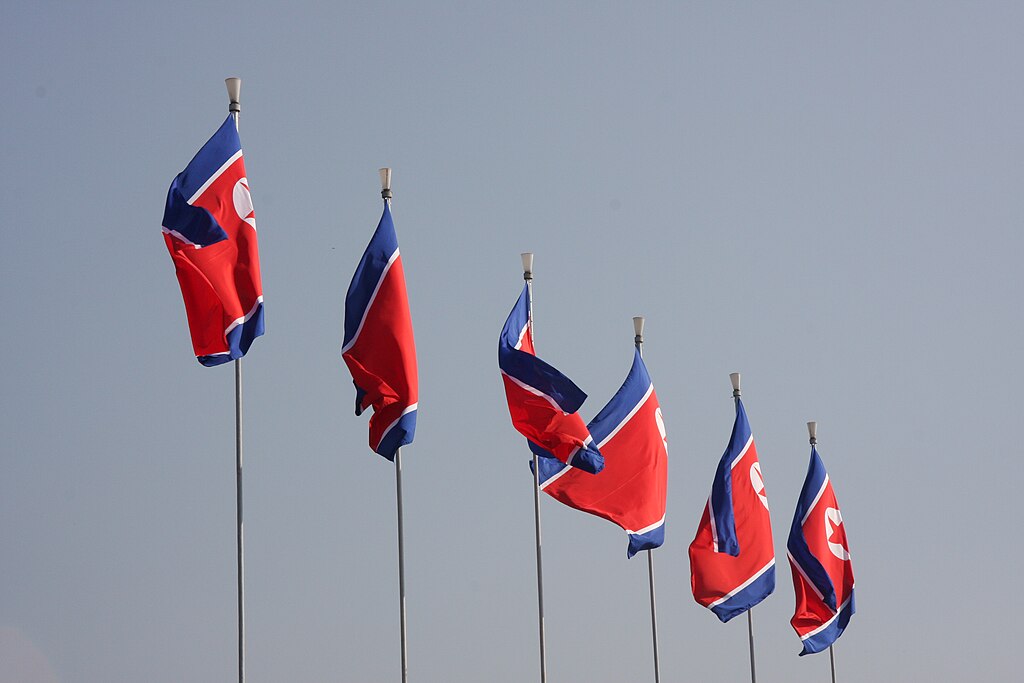
North Korean leader Kim Jong Un oversaw a massive military parade showcasing the country’s latest intercontinental ballistic missile (ICBM), the Hwasong-20, in Pyongyang on Friday night, according to state media KCNA. The event celebrated the 80th anniversary of the Workers’ Party of Korea, drawing high-profile attendees including Chinese Premier Li Qiang, Russia’s former President Dmitry Medvedev, and Vietnam’s Communist Party chief To Lam.
Described by KCNA as North Korea’s strongest nuclear strategic weapon system, the Hwasong-20 underscores Pyongyang’s growing capability to target the U.S. mainland. Analysts, however, note ongoing doubts about its guidance precision and the warhead’s re-entry stability. Ankit Panda of the Carnegie Endowment for International Peace said the Hwasong-20 represents the peak of North Korea’s nuclear ambitions and is likely designed for multiple warheads, posing new challenges to U.S. missile defense systems.
The parade also featured hypersonic missiles, cruise missiles, multiple rocket launchers, and a suicide drone launcher, demonstrating advancements in the nation’s diverse arsenal. North Korean analyst Hong Min highlighted the country’s continued investment in varied military technologies to reinforce deterrence.
During the ceremony, Kim delivered a speech praising North Korean troops, expressing pride in their overseas missions and pledging to strengthen the military into an “invincible force” capable of crushing all threats. Kim also met with Medvedev earlier, where both sides emphasized military cooperation and shared goals. KCNA further reported that Vietnam and North Korea signed new cooperation agreements across defense, foreign affairs, and health sectors, signaling deepening ties with key socialist allies.
The display of power and diplomacy marks a bold message of unity among Pyongyang, Beijing, Moscow, and Hanoi, reaffirming North Korea’s intent to assert its presence in the global geopolitical arena.







