


 Trump Meets Venezuela’s Delcy Rodriguez at UN Assembly
  Macron Challenges Trump’s Gaza Peace Claims at UN
  US, China Extend Trade Truce to Jan. 10 Ahead of Trump-Xi Summit
  Gaza Faces Evacuation Crisis as War-Damaged Buildings Risk Collapse
  Trump Board of Peace Unveils $2.45 Billion Gaza Recovery Plan
  Russian Missile and Drone Attack on Kyiv Kills Two, Damages Maternity Hospital
  Kremlin Says No Grounds Yet for Ukraine Peace Talks
  US Officials Split Over Response to Israeli West Bank Settlements
  Iran Vows ‘Crushing’ Response as US Talks Continue
  Trump Administration Plans Faster FDA Reviews for Smoke-Free Nicotine Products
  Lula and Flavio Bolsonaro Tied in Brazil Runoff Poll
  Mexico-US Trade Talks Delayed to October as Tariff Negotiations Continue
  Judge Orders Trump to Restore White House Access for CNN, MS NOW and Politico
  Taiwan Thanks US for Support Ahead of Trump-Xi Summit
  Marco Rubio to Meet Russia’s Lavrov in New York
  Russian Strikes Kill Eight Across Ukraine as Energy Sites Hit
  Trump Says ‘Freedom’ Is Coming to Cuba


 Add as a preferred source on Google
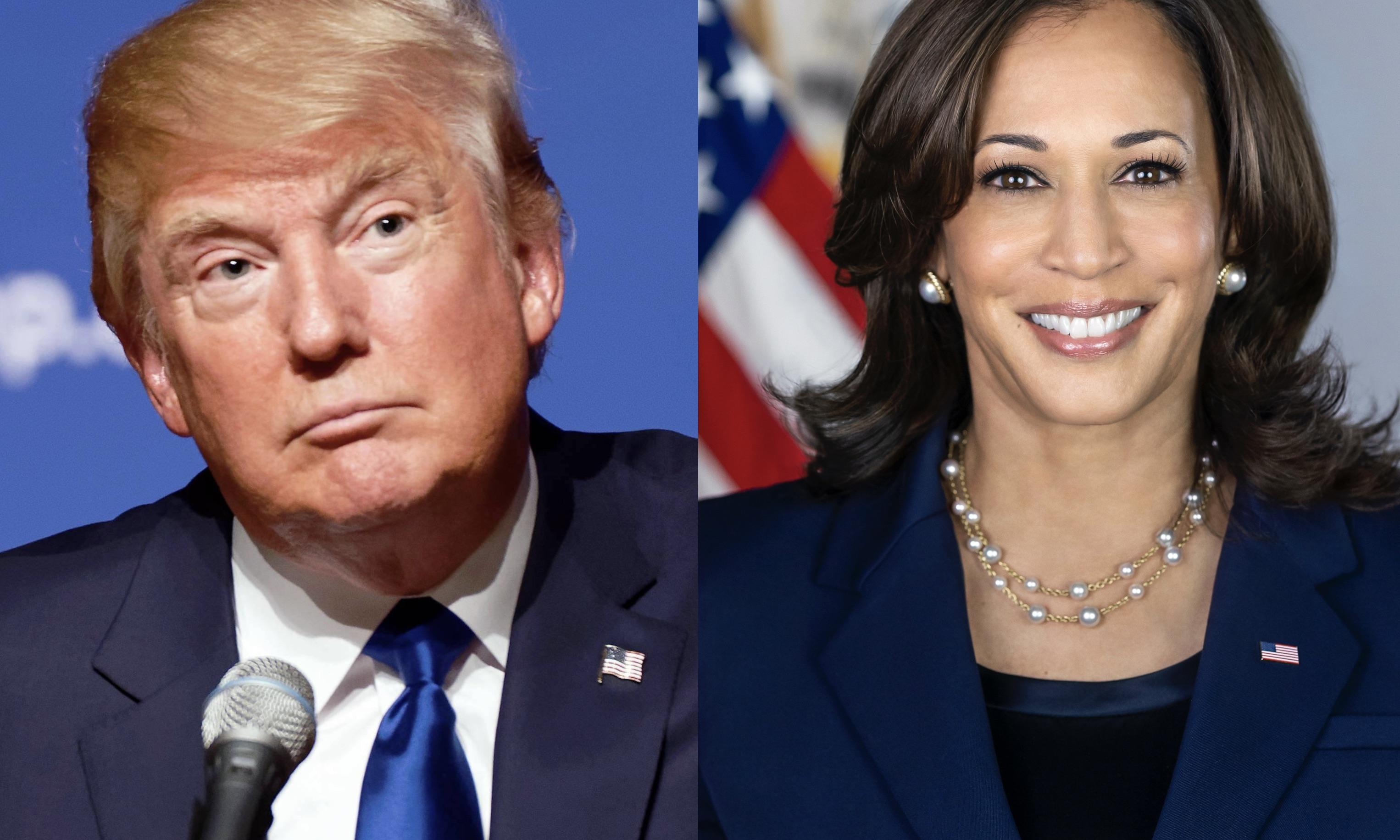
The North Carolina Board of Elections has removed 747,000 individuals from its voter rolls over the past 20 months, a move that has intensified debates over voter registration and election integrity. This large-scale voter roll purge, according to officials, targeted individuals deemed ineligible for registration. However, the action has also raised concerns from civil rights groups, who argue that such purges risk disenfranchising eligible voters and could affect upcoming elections.
This sweeping purge follows ongoing efforts by the state to maintain accurate voter records and ensure compliance with state and federal election laws. The Board of Elections cited ineligibility due to reasons such as death, relocation, or failure to meet legal voting requirements. While purging voter rolls is a common practice in election management, the scale of this action has drawn attention, particularly as the 2024 election cycle approaches.
Voter Roll Maintenance and Election Integrity
The North Carolina Board of Elections has defended its actions as necessary to uphold election integrity. According to officials, voter roll maintenance is an essential process to prevent fraud and ensure that only eligible voters participate in elections. The removal of names from the rolls is intended to eliminate outdated or inaccurate records, such as deceased individuals or those who have moved out of state.
Election officials emphasize that the purging process follows strict guidelines. The board uses several criteria to identify ineligible voters, such as matching data with the National Change of Address (NCOA) system, Social Security records, and death registries. Those who have not voted in recent elections or failed to respond to official notices may also be removed after a specified period of inactivity.
Despite these assurances, the scale of the purge—747,000 voters over less than two years—has raised concerns among voting rights advocates who warn that such efforts could inadvertently remove eligible voters, particularly those from minority communities or lower-income areas.
Concerns Over Voter Suppression
Civil rights groups and some lawmakers have expressed alarm over the potential for voter suppression as a result of the purge. They argue that overly aggressive roll maintenance efforts can disenfranchise eligible voters, especially those who may not have responded to official notices or updated their registration in time.
These groups point out that voter purges can disproportionately impact marginalized communities, where individuals may be less likely to have consistent access to mail services or the time and resources to ensure their registration is up to date. The fear is that eligible voters, particularly from minority or low-income backgrounds, could find themselves unable to vote in critical upcoming elections.
While the Board of Elections has indicated that voters removed from the rolls can re-register, advocates for voting rights argue that these processes can create unnecessary barriers to participation, particularly as deadlines for voter registration approach.
Political Implications
The timing of this voter roll purge, ahead of the 2024 presidential election, has prompted scrutiny. With North Carolina being a key battleground state, decisions surrounding voter registration and roll maintenance carry significant political weight. Critics worry that this could influence voter turnout, while supporters of the purge view it as a step toward ensuring that elections remain secure and free from fraud.
The debate over voter roll purges is not unique to North Carolina. Across the country, similar actions have sparked legal battles and partisan clashes, with some viewing them as necessary election safeguards and others as efforts to suppress voter turnout.
Disclaimer: EconoTimes cannot independently verify the accuracy of claims regarding the voter roll purge or its impact on eligible voters in North Carolina.
As election season heats up, the decision by North Carolina to remove 747,000 ineligible voters from its rolls is likely to remain a contentious issue. With both sides of the political spectrum paying close attention, the broader conversation surrounding election integrity and voter access will continue to evolve in the months leading up to 2024.







