


 AI is supercharging money scams – here’s what you can do to protect yourself
  US Northeast Airports Resume Operations After Telecom Outage Disrupts Thousands of Flights
  Trump Plans Federal AI Force and AI Czar
  MediaTek Unveils 2nm Dimensity 9600 Pro AI Chip
  Hyundai CEO Warns Chinese Automakers Could Disrupt US Market
  US Federal Register Drops Alibaba Qwen AI Search Tool
  SpaceX Nasdaq 100 Weight to More Than Double in Rebalance
  SK Hynix, Intel Discuss U.S. Memory Chip Production Deal
  Big AI wants to slow down AI research. Is it a safety pause or a strategic retreat?
  Burnham Eyes UK Leadership Role in AI Ahead of Trump Meeting
  Cathie Wood Backs AI Slowdown as Safety Concerns Grow
  Who should own the knowledge that underpins AI technology?
  Meta CEO Zuckerberg Backs Independent AI Safety Reviews Over Development Slowdown
  NASA, Boeing Discuss Expanding Starliner Missions
  SoftBank Launches $11 Billion Bond Sale to Fund OpenAI Investment
  Rosenblatt Starts Nokia at Buy on AI Networking Growth
  Apple Pay Set for India Launch With Axis Bank


 Add as a preferred source on Google
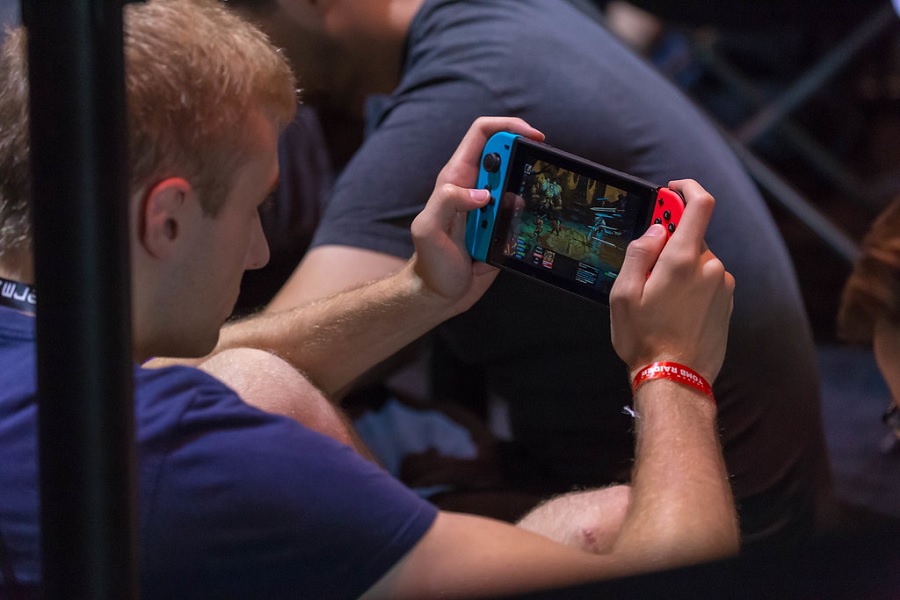
Nintendo Switch has been making headlines over the previous months, but it was not always for good reasons. A massive security breach that affected Nintendo eShop accounts was previously confirmed. It now appears that the damage was much more severe. Nintendo confirmed that around 300,000 accounts -- double than the previously announced figure -- were hacked.
How 300,000 Nintendo Switch users’ accounts got hacked
Nintendo Switch users and journalists who use the console reported suspicious activities in April where illegal transactions were made on their Nintendo eShop accounts. The issue was later confirmed by Nintendo, and after a week the company reported it has detected around 160,000 accounts were affected by the security issue.
However, Nintendo has since provided and announced that the accounts affected by the hack are around 300,000 along with an explanation of how this happened. Players who used 3DS and Wii devices most likely signed up for a Nintendo Network ID (NNID). When the Nintendo Switch arrived, its users were made to open Nintendo Account as a new login and console management system, but they were also given the option to link their NNID to it.
Fast forward to the security breach, Nintendo found that the login information, including passwords, for NNID was compromised. As a result, linked Nintendo Accounts of Nintendo Switch users have also been hacked. There have been reports of illegal purchases, especially to those that had their PayPal accounts added as a payment method.
What Nintendo has done so far to address the massive hacking incident?
The security breach prompted the Japanese video game giant to suspend the option to link NNID to Nintendo Accounts for Switch users. Affected accounts will also receive an email to advise them to change passwords. The company’s update also mentioned they have started processing refunds for illegal purchases that went through due to the hack.
Aside from unlinking NNID from Nintendo Account, the company strongly advises users to not use the same password on the two systems. Nintendo Switch users also have the option to set up a two-factor authentication prompt so their accounts would require unique codes on top of the login credentials before it can be accessed.
Featured photo by Marco Verch licensed under Creative Commons (CC BY 2.0)







