


 The government is ‘doubling down’ on its social media ban. But bigger penalties for platforms aren’t enough
  Mexico Morena Lawmaker Zenyazen Escobar Found Dead in Veracruz
  SEC Proposes ‘Regulation Crypto Assets’ Framework for Crypto Fundraising
  Iran War Civilian Toll Rises After U.S. Strikes Hit Wedding
  Pacific Islands Forum Seeks Unified Condemnation of China Missile Test
  France Keeps Top Health Alert as Officials Brace for Another Heatwave
  Judge Blocks Trump Mail Voting Order Ahead of 2026 Midterms
  Ecuador Backs U.S. Sinking of Vessels in Pacific Anti-Drug Operation
  White House Seeks $1.4 Billion to Combat Growing Ebola Outbreak
  Two Palestinian Teenagers Killed in West Bank Violence
  South Korea Weighs Military Support for Strait of Hormuz Security
  Alcohol is one of the most dangerous drugs, yet its presence is ubiquitous in social settings and celebrations
  Guatemala Receives 2,300 Mexicans Deported From US
  US Sailor’s Father Detained by Immigration Authorities
  AstraZeneca Shares Sink After Wainua Trial Misses Key Heart Disease Goal
  South Korea, US Discuss Chip Investments Amid Tariff Plans


 Add as a preferred source on Google
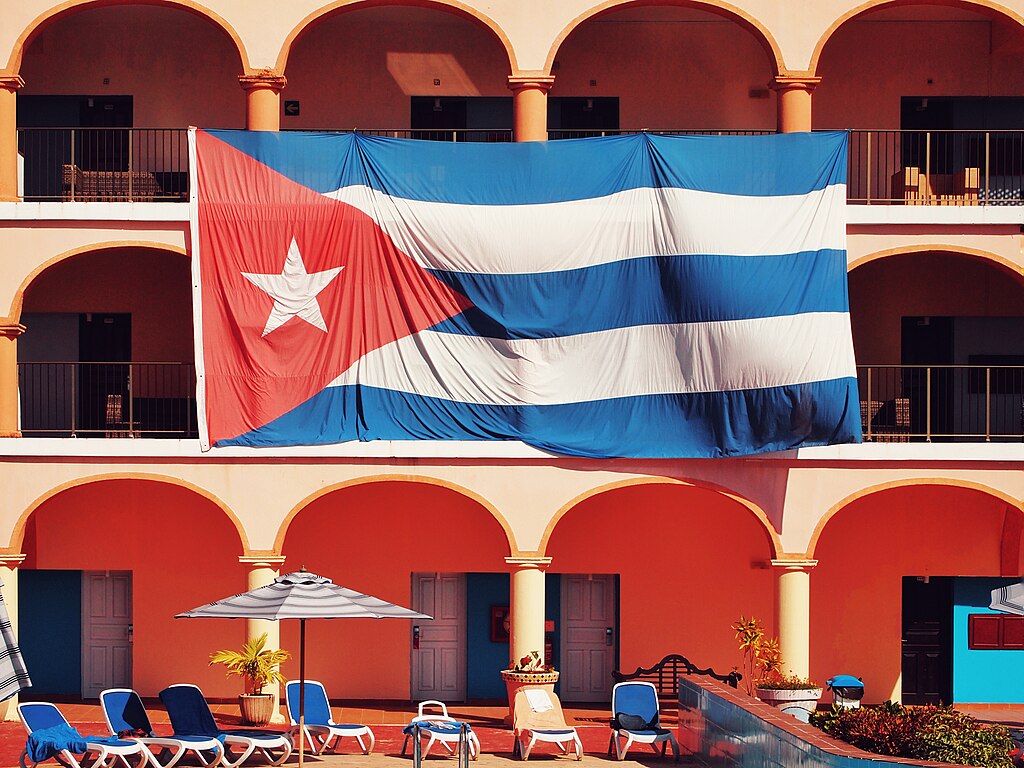
The U.S. Embassy in Havana issued a health alert for Cuba on Friday after reporting a significant increase in diarrheal and intestinal illnesses linked to deteriorating water and electricity infrastructure across the island.
According to the embassy, worsening energy and water systems are disrupting access to clean water while making it increasingly difficult to safely store food and maintain proper temperatures. Travelers and residents were advised to exercise caution when consuming perishable products that may not have been adequately refrigerated.
The warning comes about nine months after the Trump administration imposed a fuel blockade on Cuba. The restrictions have contributed to worsening electricity shortages, with prolonged blackouts complicating refrigeration, sanitation and other essential services.
U.N.-appointed human rights experts have criticized the U.S. fuel restrictions, arguing they violate international law. In August, a group of experts warned that tightening U.S. sanctions could increase the risk of disease outbreaks as Cuba struggles with shortages and failing infrastructure.
The experts said the humanitarian situation was developing into a serious crisis affecting access to health care, food and other basic necessities.
The Trump administration maintains that economic sanctions are intended to pressure Cuba’s communist government to change. President Donald Trump has also described Cuba as a national security threat to the United States.
Meanwhile, residents across Cuba have reported widespread illnesses involving diarrhea, fever and body aches, with some cases leaving people bedridden for several days.
The situation has been aggravated by extended electricity outages during the Caribbean summer. Without reliable power, households and businesses face difficulties operating fans and air conditioners or keeping food refrigerated. In some areas, blackouts have reportedly lasted for days.
Friday’s U.S. Embassy health advisory specifically urged people in Cuba to avoid perishable foods that may have been improperly stored. It also warned against consuming food that appears to have remained at room temperature for prolonged periods.
The alert underscores growing concerns about Cuba’s public health conditions as shortages of fuel, electricity and reliable water supplies continue to strain the island’s infrastructure.







