


 Canada Eyes India Trade Deal by Year-End
  White House Bars CNN, MS NOW and Politico Reporters
  NATO Commander Joins US Review of Troop Deployments in Europe
  Houthis Claim Missile, Drone Attacks on Riyadh and Saudi Oil Hub
  Turkey Ready to Aid Saudi Arabia Under Defence Pact as Houthi Attacks Escalate
  Trump Plans Federal AI Force and AI Czar
  Venezuela Nears Deal to Move $4 Billion in Gold to New York Fed
  US-China Talks Target AI, Tariffs Ahead of Trump-Xi Summit
  Bessent, He Lifeng to Discuss AI Security and Trade in New York
  Trump Bans CNN, MS NOW and Politico From White House
  Canada, France Strengthen Space and Defense Ties Amid Global Threats
  United Russia Leads Russia Election as Ukraine Drones Hit Moscow
  Russian Drone Attacks Kill Four in Kyiv Region, Including Three Children
  US, Denmark and Greenland Reach Deal to Expand American Military Presence
  South Korea’s Lee Rules Out Military Role in Middle East War
  Bessent Presses Japan on Fiscal Policy as Yen Struggles
  Russian Attack on Balakliia Kills Two, Injures Two


 Add as a preferred source on Google
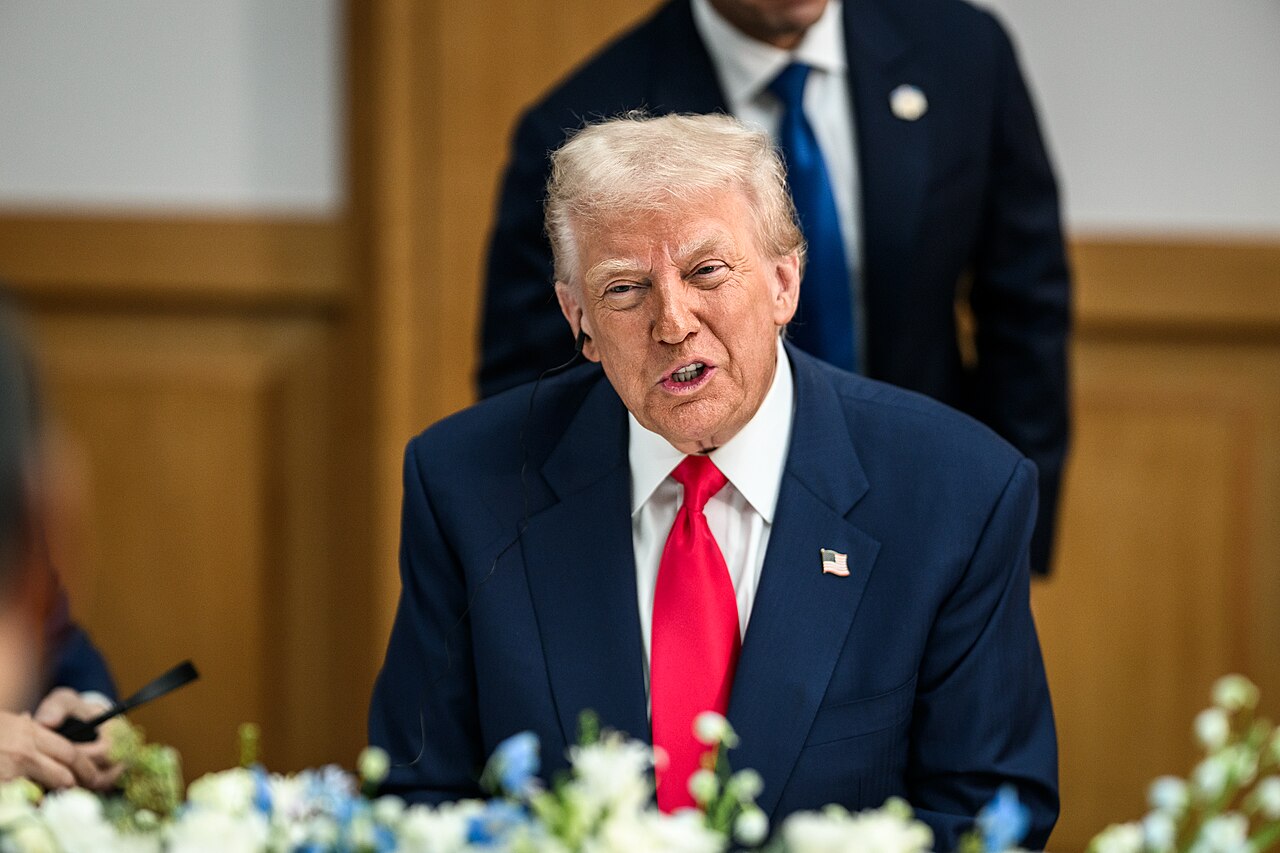
U.S. President Donald Trump and Iran exchanged fresh threats on Sunday as months of conflict showed little sign of easing, while escalating Houthi attacks and disruptions to key shipping routes intensified concerns over global energy supplies.
Trump told a Fox News reporter by phone that Iran’s leadership faced a choice between reaching an agreement with Washington, suffering further economic deterioration or being destroyed. Despite the warning, Trump indicated he would be open to meeting Iranian President Masoud Pezeshkian, who is expected in New York this week for the United Nations General Assembly.
Iran’s military central command responded by warning that any new attack would trigger sustained retaliation against U.S. bases and interests across the region. Tehran also said Washington’s regional allies could be treated as parties to the conflict. Iranian officials claimed they had information suggesting another attack was being prepared but provided no details.
The confrontation began with U.S. and Israeli strikes on Iran on February 28 and has since contributed to a widening regional and energy crisis. A June interim ceasefire collapsed in July amid disagreements over its terms.
Tensions increased further on Saturday when Yemen’s Iran-backed Houthis launched missile and drone attacks targeting Saudi Arabia’s capital, Riyadh. Video showed black smoke near the city’s main international airport after explosions were heard overnight. The U.S. State Department subsequently warned Americans about potential escalation, flight cancellations and airspace closures.
The Houthis’ recent territorial gains in Yemen have strengthened their position around the Bab el-Mandeb Strait, a critical route connecting the Red Sea with Asian shipping lanes.
Meanwhile, Iran continues to restrict most shipping through the Strait of Hormuz, severely disrupting Gulf energy exports. A U.S. blockade of Iranian ports has also limited Tehran’s ability to sell oil, increasing pressure on Iran’s economy.
Iran said Sunday it would not fully reopen the Strait of Hormuz until conditions linked to the June ceasefire agreement were satisfied. Parliament Speaker Mohammad Baqer Qalibaf said Tehran would continue combining military pressure with negotiations as the standoff persists.







