


 Burnham Eyes UK Leadership Role in AI Ahead of Trump Meeting
  Taiwan Vows to Advance US Arms Sales Ahead of Trump-Xi Meeting
  Lula and Flavio Bolsonaro Tied in Brazil Runoff Poll
  Trump Scales Back Endangered Species Act Protections
  Trump Says ‘Freedom’ Is Coming to Cuba
  Scott Bessent Eyed as Trump’s New AI Czar
  Macron Challenges Trump’s Gaza Peace Claims at UN
  UK, Mauritius Seek Diego Garcia Base Deal
  Marco Rubio to Meet Russia’s Lavrov in New York
  Trump Meets Venezuela’s Delcy Rodriguez at UN Assembly
  Kremlin Says No Grounds Yet for Ukraine Peace Talks
  Russian Strikes Kill Eight Across Ukraine as Energy Sites Hit
  Zelenskiy Warns Russia Preparing Major Attack on Ukraine
  US Plans Two New Military Bases in Greenland Under Arctic Deal
  CNN, MS NOW and Politico Sue Trump Over White House Media Ban
  Vietnam, US Trade Deal Could Be Signed Soon, To Lam Says
  Paramount-Warner Bros $110 Billion Deal Draws Antitrust Backlash


 Add as a preferred source on Google
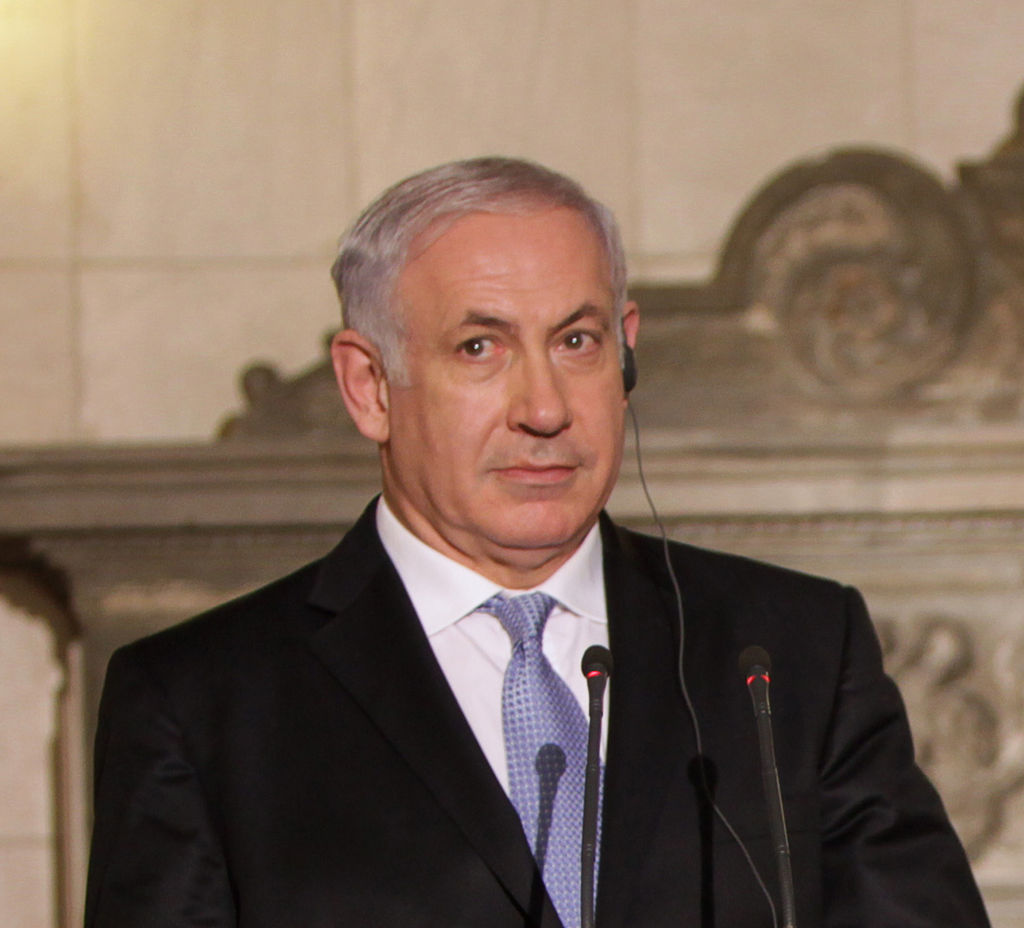
A newly formed Jewish-Arab political party is aiming to attract younger voters ahead of Israel’s October 27 parliamentary election, but critics argue its emergence could divide the Arab vote and strengthen Prime Minister Benjamin Netanyahu’s right-wing coalition.
The party, A Place for Us All, was launched in June by leaders of the left-wing movement Standing Together, which promotes peace, equality, and cooperation between Jewish and Arab citizens. Running on a platform of unity, the party hopes to win enough support to enter the Knesset in Israel’s first national election since the October 7, 2023 Hamas attack and the subsequent Gaza war.
Israel’s Arab citizens, who make up about 20% of the population, have historically participated in elections at lower rates than Jewish Israelis. In the 2022 election, Arab voter turnout reached just 53.2%, compared with roughly 75% among Jewish voters, a gap widely seen as contributing to Netanyahu’s return to power.
Party co-leader Alon-Lee Green said the campaign is focused on engaging young people who feel disconnected from traditional politics. He argued the party is targeting non-voters rather than taking support away from existing Arab parties. The candidate list is evenly split between Jewish and Arab members, as well as between women and men.
Many Arab citizens have long complained about discrimination, underfunded communities, and rising violent crime, concerns they believe have worsened under the current government. Netanyahu has also faced criticism over past election rhetoric involving Arab voters, while his rivals accuse his coalition of deepening divisions.
Political analysts, however, warn that Israel’s 3.25% electoral threshold poses a significant challenge for new parties. If A Place for Us All fails to secure enough votes, ballots cast for the party would not translate into parliamentary seats, potentially weakening the broader Arab opposition.
Established Arab leaders remain skeptical. Hadash leader Yousef Jabareen said new parties have little chance of clearing the threshold, while Ta’al leader Ahmad Tibi emphasized ongoing efforts to reunite Arab factions under a single electoral list. Previous alliances, including the Joint List, demonstrated that unified Arab parties could significantly increase voter turnout and parliamentary representation, making unity a central issue ahead of the October election.







