


 Mexico-US Trade Talks Delayed to October as Tariff Negotiations Continue
  North Korea Warns South Korea Over US-Led Defense Role
  Sudan Rejects US Legitimacy Remarks, Defends Sovereignty
  Abbas Reaffirms November 28 Palestinian Elections
  Judge Orders Trump to Restore White House Access for CNN, MS NOW and Politico
  Pezeshkian Says US Must Choose When Iran War Ends
  North Korea Rejects Nuclear Test Warning, Calls Nuclear Status Irreversible
  Netanyahu Takes Aim at Mamdani as Israel Election Nears
  Trump Asks Supreme Court to Restore Third-Country Deportations
  Yemen Violence Displaces 130,000 as Civilian Toll Rises
  Kremlin Says No Decision Yet on Putin-Trump December Summit
  Saudi Arabia, Turkey and Pakistan Plan Urgent Defence Talks Over Houthi Attacks
  Najib Razak Seeks Stay of 15-Year 1MDB Prison Sentence
  Trump, Xi Visit US National Archives After White House Summit
  Netanyahu’s Brief US Trip Highlights Strains With Trump
  US Backs Musk in Fight Against EU’s €120 Million X Fine
  Trump, Xi Focus on Trade and AI at White House Summit


 Add as a preferred source on Google
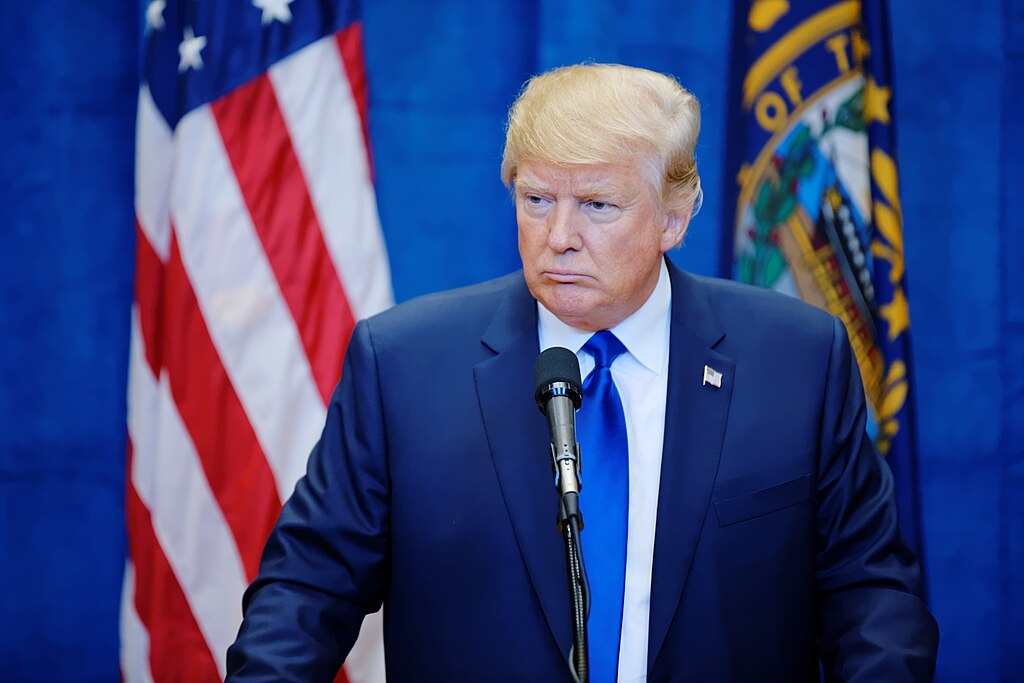
Israeli Prime Minister Benjamin Netanyahu officially nominated U.S. President Donald Trump for the Nobel Peace Prize, presenting the nomination letter during their meeting at the White House on Monday.
The meeting, held in Washington, emphasized U.S.-Israel cooperation on advancing peace in the Middle East. At the start of their talks, Netanyahu praised Trump’s efforts to reshape regional dynamics and normalize ties between Israel and Arab nations. He highlighted the U.S.-brokered Abraham Accords, which led to historic agreements between Israel and countries such as the United Arab Emirates, Bahrain, and Morocco.
Speaking to reporters, Netanyahu said Israel and the United States were collaborating to find more countries willing to support peace initiatives that would provide Palestinians with a more promising future. While no new agreements were announced, both leaders expressed optimism about further diplomatic breakthroughs in the region.
Trump, who has previously been nominated by others for his role in Middle East peace efforts, accepted the letter with gratitude. His administration has focused on unconventional approaches to diplomacy, including economic incentives and political normalization between long-time adversaries.
The Nobel Peace Prize nomination adds to Trump's legacy in international diplomacy, particularly in the context of the Abraham Accords and efforts to reduce tensions in the region. Netanyahu’s endorsement reinforces the strong alliance between the two leaders and their shared vision for a new era of peace in the Middle East.
The timing of the nomination also comes amid broader geopolitical developments and ongoing conversations around Israeli-Palestinian relations. As regional partnerships evolve, both leaders underscored their commitment to exploring new avenues for peace and cooperation in the Middle East.
This nomination marks another symbolic moment in the Trump-Netanyahu partnership and their mutual pursuit of diplomatic transformation.







