


 Putin Says Ukraine Peace Proposals Remain on Table
  Trump, Xi Visit US National Archives After White House Summit
  EU Defence Build-Up Too Slow for 2030 Russia Readiness Goal
  Najib Razak Seeks Stay of 15-Year 1MDB Prison Sentence
  North Korea Rejects Nuclear Test Warning, Calls Nuclear Status Irreversible
  Xi Calls for Deeper U.S.-China AI Cooperation in Trump Talks
  Saudi Arabia Seeks Military Support as Houthi Attacks Escalate
  US Comfortable With Canada Trade Standoff as Import Bans Loom
  Netanyahu Defends Israel at UN as Delegates Stage Walkout
  France Defends Netanyahu Airspace Clearance Despite ICC Warrant
  Evan Gershkovich Says FSB Set Trap for 2023 Russia Arrest
  Iran Rejects Nuclear Concessions in Hormuz Deal
  Netanyahu’s Brief US Trip Highlights Strains With Trump
  Ukrainian Drone Attacks Hit Russian Regions, Injuring at Least 12
  Trump, Xi Focus on Trade and AI at White House Summit
  Trump Asks Supreme Court to Restore Third-Country Deportations


 Add as a preferred source on Google
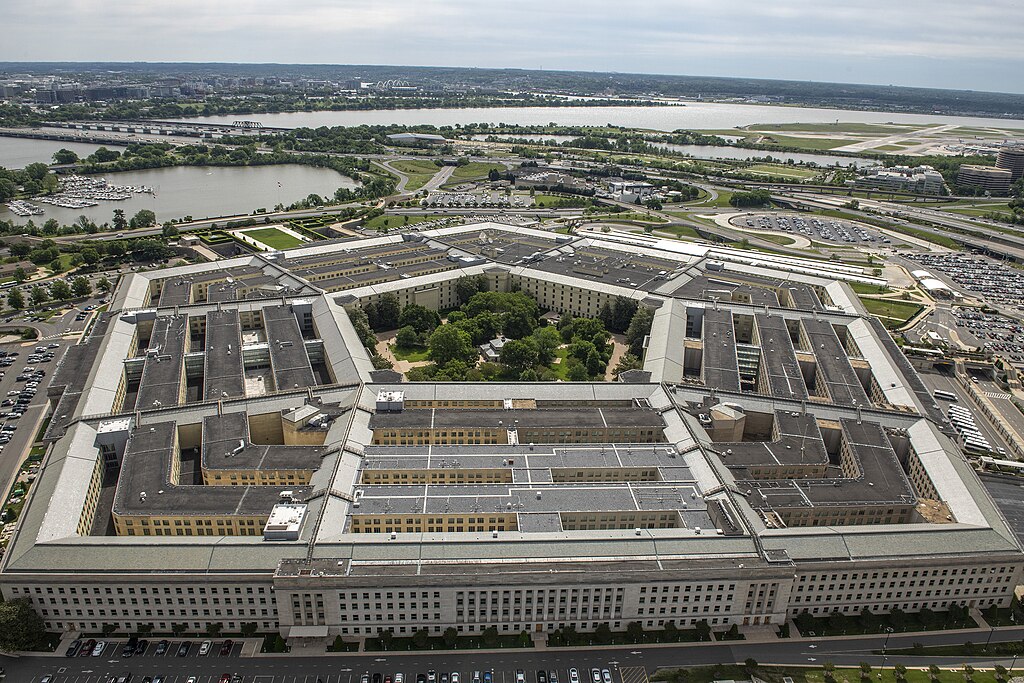
The National Congress of American Indians (NCAI) has strongly condemned a Pentagon decision to uphold military medals awarded to U.S. soldiers involved in the 1890 Wounded Knee Massacre, an event widely recognized as one of the darkest chapters in Native American history.
On December 29, 1890, U.S. troops killed and wounded more than 300 Lakota Sioux men, women, and children at Wounded Knee Creek in South Dakota. Despite widespread acknowledgment that the incident was a massacre rather than a battle, soldiers received Medals of Honor for their actions.
Larry Wright Jr., executive director of NCAI, criticized the Pentagon’s review, calling it a betrayal of historical truth and reconciliation. “Celebrating war crimes is not patriotic. This decision undermines truth-telling, reconciliation, and the healing that Indian Country and the United States still need,” Wright said.
Former Defense Secretary Lloyd Austin had ordered a review of the honors but left office before reaching a conclusion. His successor, Defense Secretary Pete Hegseth under the Trump administration, announced last week that a review panel recommended keeping the medals intact. “We’re making it clear that they deserve those medals. This decision is now final and their place in our nation’s history is no longer up for debate,” Hegseth declared in a video on X.
Hegseth accused Austin of prioritizing political correctness over “historical correctness.” His Pentagon leadership has also faced criticism for rolling back diversity, equity, and inclusion initiatives, canceling cultural commemorations such as Native American History Month, and briefly erasing online references to the Navajo Code Talkers, whose unbreakable code was critical in World War II.
Congress previously acknowledged the tragedy in a 1990 resolution, expressing “deep regret” to the Sioux people and descendants of the victims. The massacre marked the end of the Indian Wars, a period when Native Americans were stripped of their lands and forced onto reservations.
For Native leaders, the Pentagon’s refusal to revoke the medals symbolizes ongoing injustice and a failure to reckon with America’s history of violence against Indigenous peoples.







