


 Ukrainian Drone Attacks Hit Russian Regions, Injuring at Least 12
  Netanyahu Defends Israel at UN as Delegates Stage Walkout
  Evan Gershkovich Says FSB Set Trap for 2023 Russia Arrest
  NATO Boosts Intelligence Sharing Amid Russia Hybrid Threats
  US Senate Rejects Iran War Powers Resolution in 50-49 Vote
  US Supreme Court Revives Trump Administration Voter Citizenship Database
  Trump Asks Supreme Court to Restore Third-Country Deportations
  US Backs Musk in Fight Against EU’s €120 Million X Fine
  Abbas Reaffirms November 28 Palestinian Elections
  Trump, Xi Focus on Trade and AI at White House Summit
  Pope Leo Backs Press Freedom After White House Media Ban
  Netanyahu’s Brief US Trip Highlights Strains With Trump
  North Korea Warns South Korea Over US-Led Defense Role
  Pope Leo Warns UN, Multilateral Groups Face Crisis
  France Defends Netanyahu Airspace Clearance Despite ICC Warrant
  Iran Rejects Nuclear Concessions in Hormuz Deal
  Yemen Violence Displaces 130,000 as Civilian Toll Rises


 Add as a preferred source on Google
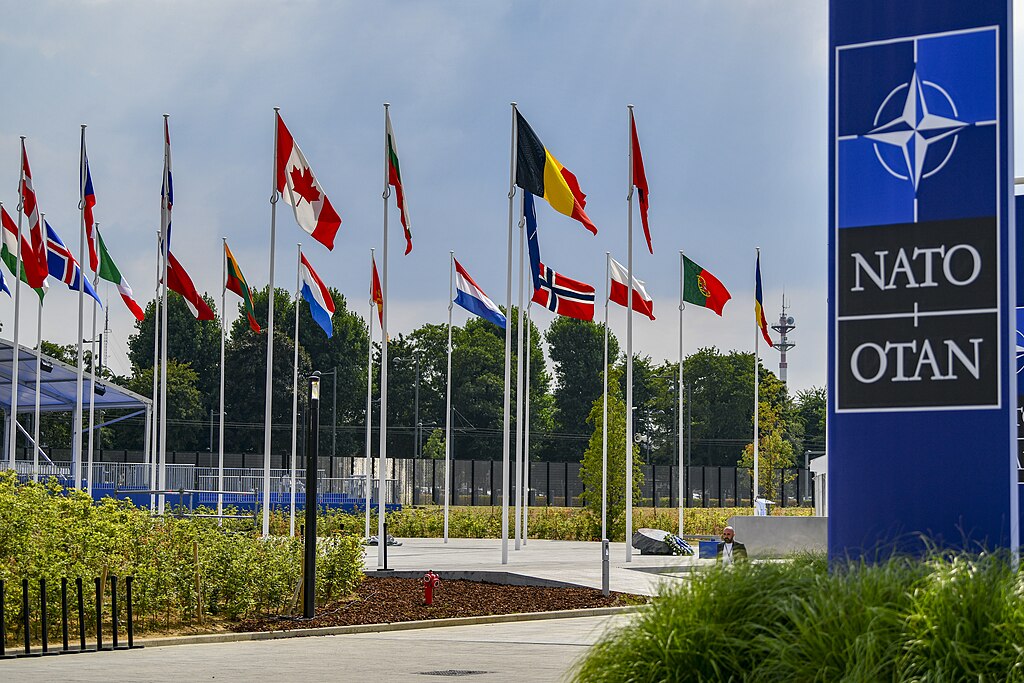
The United States and NATO are developing a new mechanism to supply weapons to Ukraine using funds pooled from allied nations, according to multiple sources. The initiative aims to streamline arms deliveries as Russian forces continue advancing and occupying about one-fifth of Ukraine’s territory.
Under the plan, Ukraine will submit priority weapons requests from the Priority Ukraine Requirements List (PURL) in tranches of roughly $500 million. NATO members, coordinated by Secretary General Mark Rutte, will negotiate contributions—either donating arms or funding purchases. The target is to provide up to $10 billion in weapons, though the timeline remains unclear.
This voluntary effort includes a NATO-controlled account where member nations can deposit funds for approved arms transfers. A U.S.-held account, possibly managed by the Treasury Department, is also being considered to expedite replenishment of donated stocks. This approach is designed to bypass lengthy U.S. arms sales procedures and accelerate resupply for participating allies.
The mechanism will complement the existing U.S. Presidential Drawdown Authority, which allows Washington to send weapons directly from its own stockpiles. At least one tranche of weapons is currently under negotiation, though it is unclear if funding transfers have begun.
President Donald Trump, frustrated by Moscow’s continued aggression, recently warned of tariffs and other measures against Russia if no progress toward ending the war is made by August 8. The PEACE Act, introduced by congressional Republicans, proposes a similar fund to support replenishment of U.S. military equipment sent to Ukraine.
Ukraine’s immediate needs remain unchanged—air defense systems, interceptors, rockets, and artillery. These requirements were reaffirmed in a recent Ramstein group meeting led by Britain and Germany.
This coordinated NATO-U.S. approach signals renewed transatlantic commitment to Ukraine as the war enters its fourth year.







