


 Najib Razak Seeks Stay of 15-Year 1MDB Prison Sentence
  North Korea Warns South Korea Over US-Led Defense Role
  Colombia Extradites FARC Dissident Leader ‘Spider’ to US
  Evan Gershkovich Says FSB Set Trap for 2023 Russia Arrest
  Trump, Xi Focus on Trade and AI at White House Summit
  Iran Rejects Nuclear Concessions in Hormuz Deal
  Pezeshkian Says US Must Choose When Iran War Ends
  Netanyahu Defends Israel at UN as Delegates Stage Walkout
  What ‘Taiwan Independence’ Means as Xi Presses Trump on US Policy
  Xi Calls for Deeper U.S.-China AI Cooperation in Trump Talks
  Trump Warns China Against Supporting Iran in Xi Talks
  Pope Leo Warns UN, Multilateral Groups Face Crisis
  US Backs Musk in Fight Against EU’s €120 Million X Fine
  North Korea Rejects Nuclear Test Warning, Calls Nuclear Status Irreversible
  Abbas Reaffirms November 28 Palestinian Elections
  Saudi Arabia, Turkey and Pakistan Plan Urgent Defence Talks Over Houthi Attacks
  Saudi Arabia Seeks Military Support as Houthi Attacks Escalate


 Add as a preferred source on Google
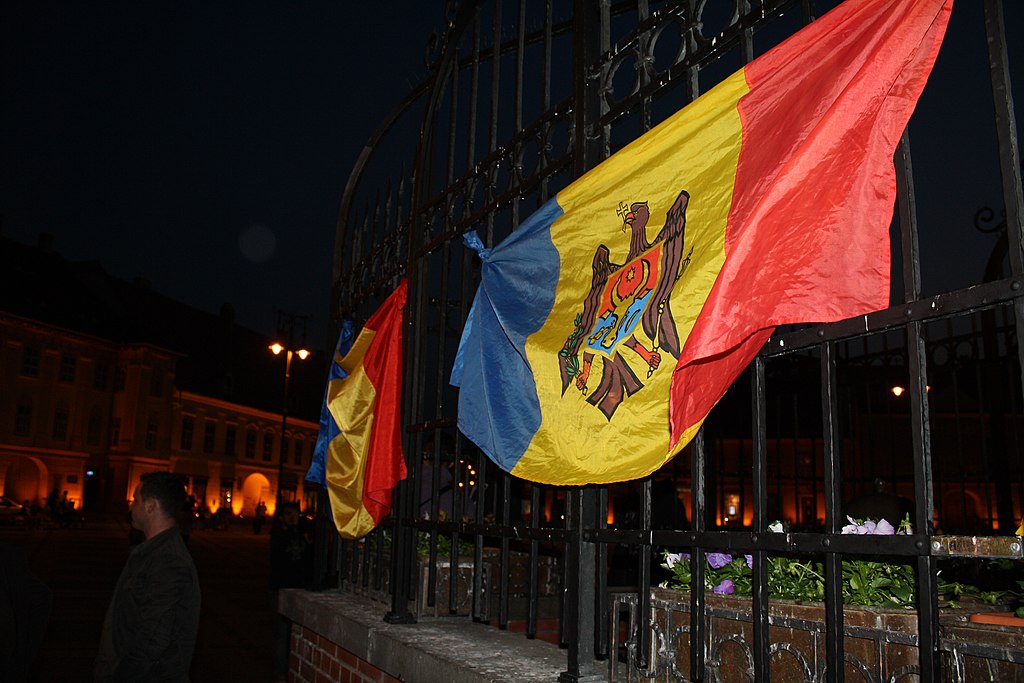
Moldova’s ruling pro-European Union Party of Action and Solidarity (PAS) has taken a decisive lead in the country’s crucial parliamentary election, reinforcing its strategy to align more closely with the European Union and reduce Russian influence. With over 99% of ballots counted, PAS secured nearly 50% of the vote, compared to just over 24% for the Russian-leaning Patriotic Bloc. This result positions PAS to potentially secure a parliamentary majority in the 101-seat legislature, avoiding the need for fragile coalitions and keeping the nation’s EU membership bid on track.
Smaller parties also crossed the threshold to enter parliament, including the Alternative bloc with about 8% of the vote and the populist Our Party with 6.2%. An official final tally is expected soon.
The campaign period was heated, with accusations of voter manipulation and disinformation dominating the political climate. President Maia Sandu’s administration accused Russia of attempting to disrupt the democratic process through propaganda, cyberattacks, and even fake bomb threats targeting polling stations. Authorities also barred two pro-Russian parties from the ballot due to allegations of illegal financing, further raising tensions.
Igor Dodon, former president and co-leader of the Patriotic Bloc, rejected the results and urged supporters to protest in front of parliament, though he offered no evidence to support his claims. Officials are monitoring closely to see if unrest follows, warning that Moscow-backed efforts could escalate if the opposition refuses to accept the outcome.
Moldova, a former Soviet republic of 2.4 million people, has long been caught between East and West. The war in neighboring Ukraine, Russian interference, and persistent energy challenges have added to economic pressures, with inflation still near 7% and high energy import costs burdening households.
Despite these challenges, PAS’s strong showing signals that many Moldovans still support the vision of European integration and distancing from Moscow’s orbit, reflecting a pivotal moment for the country’s future.







