


 Trump to Press Xi on Release of US Nuclear Expert Held in China
  US-China Talks Target AI, Tariffs Ahead of Trump-Xi Summit
  US Plans Two New Military Bases in Greenland Under Arctic Deal
  Trump Says ‘Freedom’ Is Coming to Cuba
  Yen in Focus as BOJ, Fed Rate Hikes Reshape Currency Markets
  European Stocks Slip as Iran Tensions Offset Strong Eurozone Data
  Canada Unveils Bill to Fast-Track Major Resource Projects
  South Korea to Brief Lawmakers on $350 Billion US Investment Package
  US, Japan and South Korea Back Taiwan Ahead of Trump-Xi Summit
  Vietnam, US Trade Deal Could Be Signed Soon, To Lam Says
  Europe Jet Fuel Deficit Drives South Korean Imports to Four-Year High
  Asian Stocks Mixed Ahead of Trump-Xi Meeting
  Scott Bessent Eyed as Trump’s New AI Czar
  RBA Says ASX Still Falls Short on Governance and Risk Controls
  Burnham Eyes UK Leadership Role in AI Ahead of Trump Meeting
  Macron Challenges Trump’s Gaza Peace Claims at UN


 Add as a preferred source on Google
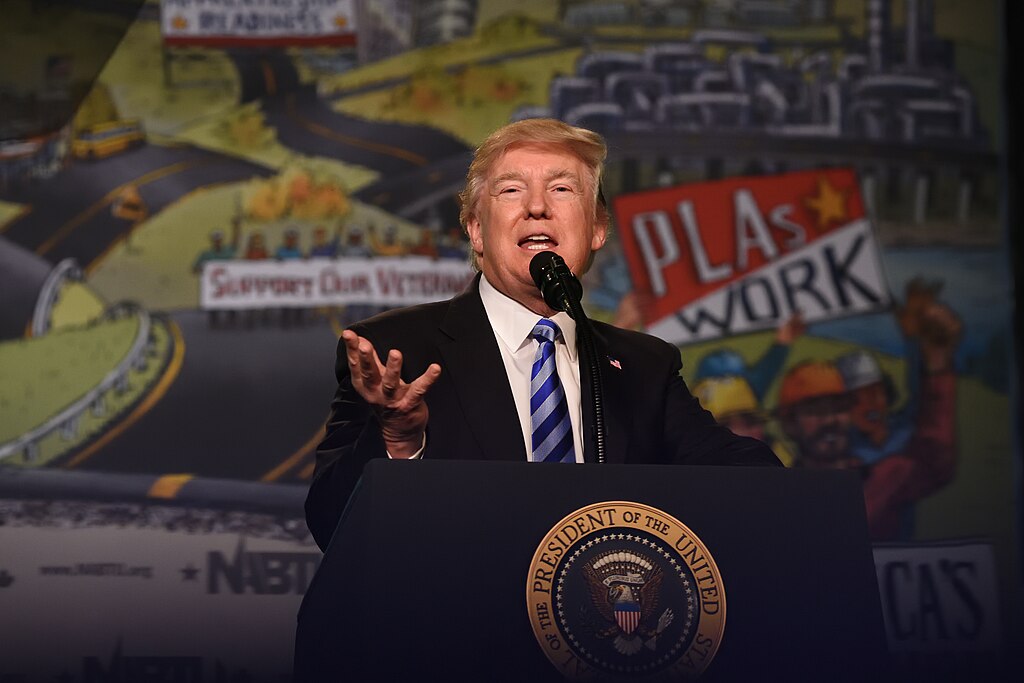
The Mexican government has strongly criticized former President Donald Trump’s proposed tariffs, arguing they will fail to curb the flow of migrants and drugs across the border. The sharp response highlights escalating tensions between the two nations as Trump seeks to reimplement trade barriers he claims are necessary to protect U.S. interests.
In a pointed statement, Mexican officials said that tariffs would hurt both economies while doing little to address the root causes of migration and drug trafficking. The rebuke followed Trump’s recent remarks suggesting that high tariffs on Mexican goods could pressure Mexico into stricter enforcement of border policies.
The proposal has reignited debates about the effectiveness of tariffs in managing complex issues like migration and illicit drug smuggling. Experts warn that such measures may have unintended consequences, including economic strain on both sides of the border.
Economic Fallout Looms Over Trade Tariffs
Mexico, one of the United States' largest trading partners, has expressed concerns that Trump's tariff threats could destabilize the bilateral economic relationship. Trade between the two nations exceeded $725 billion in 2022, with industries like automotive manufacturing heavily dependent on cross-border commerce.
Mexican officials argue that tariffs would harm ordinary citizens and businesses, while failing to address the socio-economic factors driving migration. “Economic cooperation, not punitive measures, is the solution,” a Mexican government representative said.
Analysts echo these concerns, noting that tariffs often result in higher consumer prices and disrupted supply chains. U.S. businesses reliant on Mexican imports, such as agriculture and electronics, may face increased costs, potentially passing those expenses onto American consumers.
Meanwhile, critics of Trump’s approach highlight that Mexico has already taken significant steps to curb illegal immigration and drug trafficking, including deploying thousands of troops to its southern border and cracking down on organized crime.
Border Issues Remain a Political Flashpoint
Despite Mexico’s efforts, Trump’s base continues to see the border as a critical political issue. The former president has repeatedly accused Mexico of not doing enough to stop the flow of migrants and drugs, framing the issue as a national security threat.
In response, Mexican leaders have called for a more collaborative approach, emphasizing shared responsibility for tackling these challenges. The debate underscores broader divisions over how to manage border security without undermining economic stability.
Social Media Reactions Show Polarized Opinions
News of Mexico’s rebuttal has sparked fierce online debates, with social media users offering diverse perspectives:
- @BorderPatriot45: “Trump’s tariffs are the wake-up call Mexico needs. They’ve ignored this issue for far too long!”
- @FreeTradeNow: “Tariffs hurt everyone—this isn’t about solving problems, it’s about scoring political points.”
- @LatAmAnalyst: “Mexico’s right. You can’t solve migration with tariffs. Address poverty and corruption instead.”
- @MAGA4Life: “Build the wall AND enforce tariffs! Time to protect American jobs and security.”
- @GlobalEconomist: “Trade wars aren’t the answer. Tariffs will damage both economies while achieving little.”
- @BorderReality: “Collaboration, not punishment, is the way forward. We need leaders who understand the complexities of this issue.”
Looking Ahead
The standoff over Trump’s tariff threats adds to the ongoing friction between the U.S. and Mexico over border policies. Experts warn that escalating trade barriers could further strain diplomatic relations, making it harder to achieve meaningful progress on shared challenges like migration and security.
While both nations have signaled a willingness to engage in dialogue, the path forward remains unclear. With economic and political stakes high, the debate over tariffs is likely to remain a contentious issue in U.S.-Mexico relations.







