


 Baige Online Shares Soar 333% in Hong Kong IPO Debut as AI Insurance Demand Lifts Chinese Listings
  Anthropic Tightens AI Access Controls After Reports of China-Based Workarounds
  Chip Stocks Rally as Samsung and SK Hynix’s $1.3 Trillion Investment Plan Boosts AI Optimism
  Switch Seeks $2 Billion Funding at Nearly $50 Billion Valuation Ahead of Potential IPO
  Apple Expands iPhone Lineup, Boosts Foldable iPhone Production Plans Through 2027
  EU Chip Industry Faces Growing Risks From China Export Controls and U.S. Technology Dependence: Report
  Chinese Copper Foil Maker Londian Files U.S. IPO as EV Battery Demand Grows
  Meta Stock Jumps as AI Cloud Expansion Challenges AWS, Microsoft, and Google
  Nvidia Stock Rises as SemiAnalysis Sees AI Data Center Revenue Beating Wall Street Forecasts
  The government is ‘doubling down’ on its social media ban. But bigger penalties for platforms aren’t enough
  Tesla Q2 Deliveries Lift Chinese Auto Suppliers as EV Demand Improves
  Kuaishou Stock Jumps as Kling AI Secures $2 Billion Funding Round
  Samsung to Invest $90 Billion in South Korea to Expand AI Chip, Display, and Battery Production
  Super Micro Employees Detained in Taiwan AI Server Export Investigation
  TetherMax Rebranding Highlights Official Exchange Partnerships as Foundation of Trust


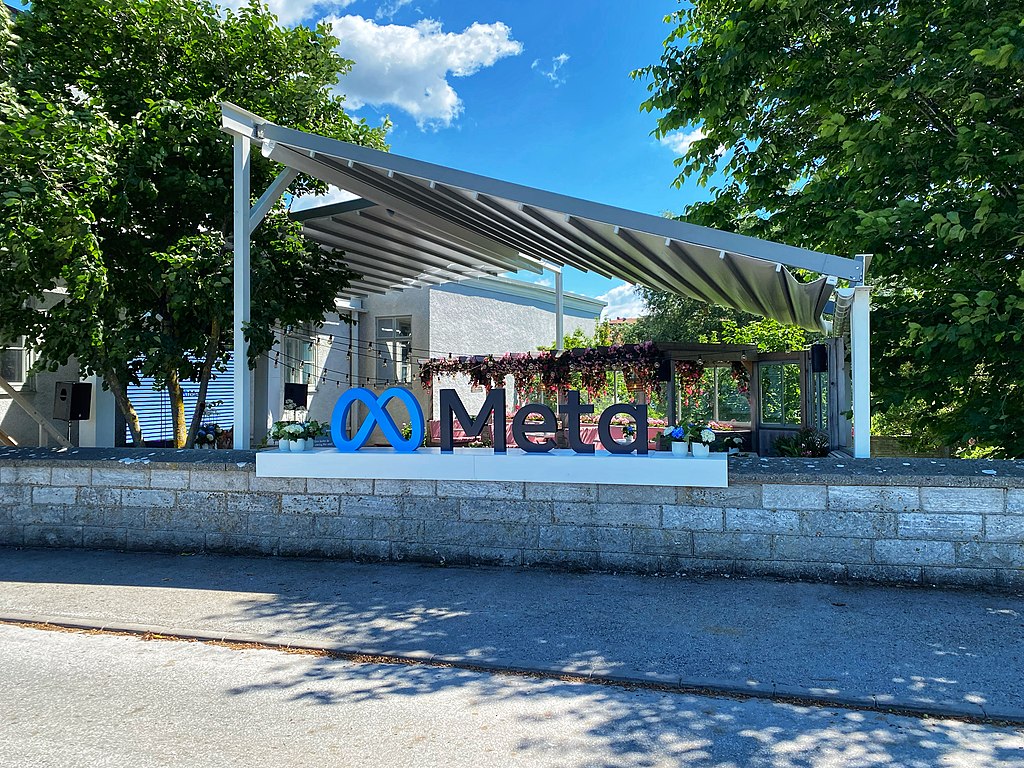
Meta Platforms (NASDAQ: META) is preparing to expand into the cloud computing market, a move that could position the company as a future rival to Amazon Web Services (AWS), Microsoft Azure, and Google Cloud. According to Morgan Stanley, Meta is evaluating two possible business models: a hosted AI API and model-access platform similar to AWS Bedrock, or a "neocloud" offering that leases raw AI computing capacity powered by its own infrastructure.
Morgan Stanley believes the neocloud strategy is the more practical path. Analysts argue that building a full AI platform with hosted models and developer tools would require significant hiring, technical execution, and product development. Meta’s Muse AI models have yet to demonstrate competitive performance on industry benchmarks such as TerminalBench and SWE Bench Verified, while also facing strong competition from advanced AI models like Google’s Gemini.
The investment bank estimates Meta will add roughly 2 gigawatts of owned IT capacity in 2026 and another 3.5 gigawatts in 2027, compared with an estimated 3-gigawatt base by the end of 2025. This growing infrastructure could allow Meta to lease excess compute capacity to businesses facing AI chip shortages and high demand for computing resources.
While Meta currently rents approximately 2.5 gigawatts of compute from providers including CoreWeave, Nebius, Google Cloud, and Oracle, Morgan Stanley notes that the company could monetize portions of its own infrastructure as new capacity comes online.
The bank also sees meaningful earnings potential from the neocloud model. Based on current market pricing, leasing 250 megawatts of compute capacity for one year at around $40 per watt could increase Morgan Stanley’s 2028 earnings-per-share estimate for Meta by approximately $3, representing roughly 8% upside.
Despite this opportunity, Morgan Stanley views cloud leasing as a temporary earnings driver rather than Meta’s long-term growth strategy. The firm maintains its Overweight rating, citing higher expectations for MetaAI, AI-powered business messaging, subscription services, diffusion models, and other AI products that could generate sustainable revenue growth.
Morgan Stanley projects Meta’s capital expenditures to increase to approximately $175 billion in 2027 and $205 billion in 2028, up from an estimated $145 billion in 2026, as the company expands its AI data center footprint. The analysts believe additional investments may be required if Meta ultimately pursues a full-scale cloud platform, making future capital spending likely to trend even higher.







