


 Qatar PM Heads to Tehran to Revive Iran-US Diplomacy
  UN Criticizes US Terror Label for Palestine Action
  Trump Administration Plans New Drug Pricing Deals With Biotech Firms
  Trump Administration Pauses Visa Appointments Worldwide
  Carney’s Trump Tariff Pushback Wins Canadian Support, but Economic Risks Mount
  CIA Director John Ratcliffe Visits Moscow for Talks With Russian Officials
  US Military Uses Laser to Shoot Down Cartel Drones at Mexico Border
  NYC Mayor Mamdani Opposes RSS Chief Mohan Bhagwat’s Manhattan Event
  US Raises Concerns Over Chinese Artist Gao Zhen’s Prison Sentence
  U.S. Disrupts China-Linked Hacking Campaign Targeting Government Agencies
  Australia Pledges $3.6M for Nepal-China Flood Relief
  Trump Floats ‘Lake America’ Rename as US-Canada Trade Tensions Deepen
  ICE Awards $16.7M Contract for Electric Shock Gloves
  34 Australians Missing After Deadly Nepal Floods
  European Allies Seek to Reassure Pentagon as US Reviews Troop Presence
  German Industry Pushes Merz for Tougher China Trade Policy
  CIA Chief Ratcliffe Holds Talks With Russian Intelligence in Moscow


 Add as a preferred source on Google
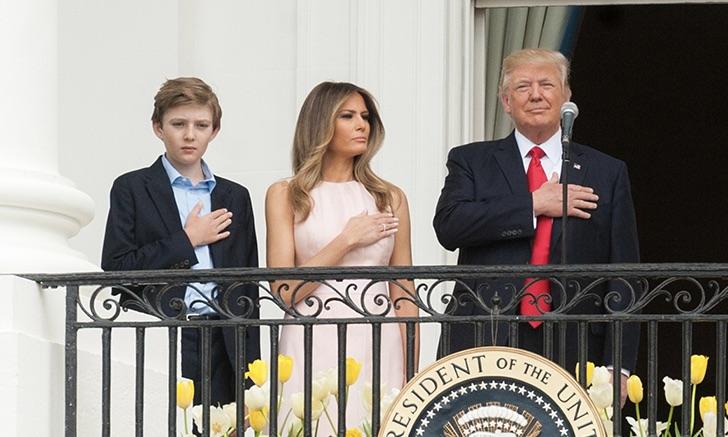
In a surprising and controversial statement, former First Lady Melania Trump has accused a financial institution of denying her son, Barron Trump, a bank account due to “cancel culture.” Melania’s claim has sparked widespread debate, drawing both outrage and skepticism from across the political spectrum.
According to Melania, Barron, now 17, was recently refused a bank account in what she described as a blatant example of “cancel culture” targeting the Trump family. She made the shocking claim during a private event, saying, “My son, Barron, couldn’t even open a simple bank account because of who his father is. Cancel culture has gone too far.”
This accusation has ignited a firestorm of controversy, with many questioning the motives behind the denial and whether it truly stems from political bias or other factors. Critics argue that the banking industry adheres to strict policies for account openings, making it unlikely that Barron’s request would be refused solely based on his family’s political ties.
Melania’s accusation has resonated deeply with Trump supporters, who view it as further evidence of ongoing discrimination against the former president’s family. “If Barron can’t get a bank account because of his last name, that’s a disturbing precedent,” one supporter commented online. Many in the pro-Trump camp believe this incident highlights the deepening impact of cancel culture on public and private life.
However, some critics have been quick to dismiss Melania’s claims, pointing to the lack of specific details about which financial institution allegedly refused Barron’s request. “This sounds more like an attempt to stoke controversy than a legitimate issue,” one analyst remarked. “There’s no evidence yet that cancel culture had anything to do with this.”
The most controversial aspect of this incident is the implication that Barron Trump, who has largely stayed out of the political spotlight, is now being subjected to the consequences of his father’s polarizing legacy. While Donald Trump has often been the target of political and social backlash, Melania’s claim suggests that their son is now facing similar scrutiny, raising questions about the broader impact of cancel culture on the children of public figures.
Melania Trump has long been vocal about protecting her son from undue media attention and the political spotlight. During her time as First Lady, she frequently emphasized the importance of privacy for Barron, who was only 10 years old when his father took office. This latest accusation, however, brings Barron back into the public eye and fuels the ongoing debate over cancel culture’s reach and fairness.
As the story continues to circulate, the banking industry has yet to respond to Melania’s claim. Without further details, it remains unclear whether Barron’s account denial was politically motivated or due to standard banking procedures. Nevertheless, the controversy underscores the persistent tensions surrounding the Trump family as they navigate life post-presidency.
For now, the allegations serve as a new chapter in the ongoing discourse about cancel culture’s impact on public figures and their families. Whether or not Melania’s claims will lead to further scrutiny of financial institutions remains to be seen, but the accusation has certainly reignited the conversation.







