


 SpaceX Delays Starship V3 Launch Ahead of Potential Record IPO
  NASA Artemis II: First Crewed Moon Mission Since Apollo Takes Four Astronauts on 10-Day Lunar Journey
  Neuralink Expands Brain Implant Trials with 12 Global Patients
  Cogent Biosciences Soars 120% on Breakthrough Phase 3 Results for Bezuclastinib in GIST Treatment
  Eli Lilly’s Inluriyo Gains FDA Approval for Advanced Breast Cancer Treatment
  Blue Origin New Glenn Explosion Could Delay Launch Operations Until 2028
  SpaceX Prioritizes Moon Mission Before Mars as Starship Development Accelerates
  NASA's Artemis II Crew Arrives in Florida for Historic Moon Mission
  SpaceX’s Starship Completes 11th Test Flight, Paving Way for Moon and Mars Missions
  Trump Signs Executive Order to Boost AI Research in Childhood Cancer
  FDA Pilot Program Eases Rules for Nicotine Pouch Makers


 Add as a preferred source on Google
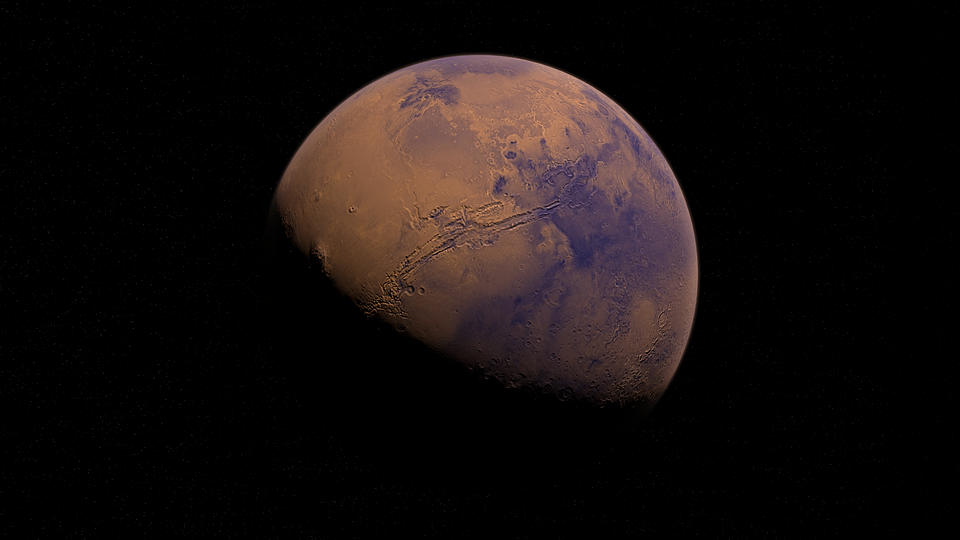
As far as we know, interplanetary travel could take up to years, with the journey to Mars alone taking almost a year to make. As NASA prepares for its upcoming Mars and Moon missions, the agency has received a promising design for a spacecraft engine that could potentially speed up space travel by a big amount.
The design was drafted by Seattle, Washington-based company Ultra Safe Nuclear Technologies, which details the use of a nuclear thermal propulsion engine. The firm designed the NTP with the Mars mission in mind, the NTP being able to take humans from Earth to Mars in a span of only three months. Their design follows NASA’s plans to venture into the use of nuclear power for its future space missions.
A nuclear thermal propulsion engine system makes use of nuclear fission or power from splitting atoms to create thrust. This is typically the more efficient method compared to chemical rockets that are more commonly used.
“We want to lead the effort to open new frontiers in space and do it quickly and safely,” said USNC-Tech principal engineer Michael Eades. Eades also noted that their design would be more reliable than other designs and that it also has a specific impulse or amount of thrust from a propellant that is more than two times the amount of chemical systems.
With this method, experts believe that it could reduce the travel time from Earth to Mars one way by a significant amount. Using an NTP would only take three months from Earth to Mars in one way.
Aside from the upcoming Mars and Moon missions, there is also the ongoing probe into the asteroid Bennu being done by NASA. The agency released photos showing the landing of the Osiris-REx spacecraft onto the asteroid, and images of the spacecraft collecting soil samples. This is NASA’s first try in collecting asteroid samples a year after Japan’s own space agency JAXA bombed another asteroid, Ryugu, to collect samples.
The samples from Bennu would be returning to Earth by 2023, and the samples from Ryugu would be returning by the end of 2020.







