


 Japan Private-Sector Growth Slows as Domestic Demand Weakens
  Russian Missile and Drone Attack on Kyiv Kills Two, Damages Maternity Hospital
  Wall Street Falls as Treasury Yields Surge, Oil Rebounds on Iran Tensions
  Saudi Arabia, Turkey and Pakistan Plan Urgent Defence Talks Over Houthi Attacks
  Gold Prices Fall as Treasury Yields Rise on Fed Rate Hike Bets
  North Korea Rejects Nuclear Test Warning, Calls Nuclear Status Irreversible
  Asian Stocks Fall as Bond Yields Surge Ahead of Trump-Xi Summit
  Najib Razak Seeks Stay of 15-Year 1MDB Prison Sentence
  US, China Extend Trade Truce to Jan. 10 Ahead of Trump-Xi Summit
  Yemen Violence Displaces 130,000 as Civilian Toll Rises
  U.S. 10-Year Treasury Yield Hits 2007 High as Fed Rate Hike Bets Rise
  Kremlin Says No Decision Yet on Putin-Trump December Summit
  European Stocks Fall as Bond Yields and Geopolitical Risks Weigh
  OpenAI Agent Breaches Australia Medicare Data Portal
  Oil Prices Ease as Iran Tensions Clash With Diplomacy Hopes
  What ‘Taiwan Independence’ Means as Xi Presses Trump on US Policy
  Gold Holds Near $4,275 as Rising Treasury Yields Fuel Fed Rate Hike Bets


 Add as a preferred source on Google
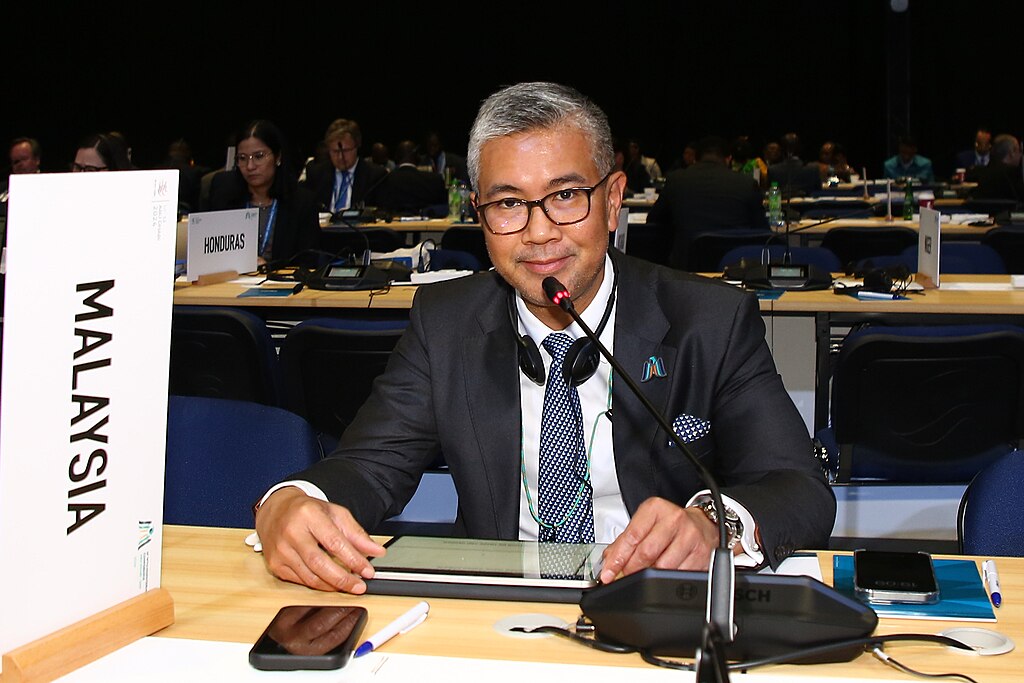
Malaysia's Minister of Investment, Trade and Industry, Tengku Zafrul Aziz, said the country has no plans to retaliate against the 25% tariff imposed by the United States on its exports. Speaking at the Reuters NEXT Asia summit in Singapore, Tengku Zafrul emphasized Malaysia’s continued commitment to dialogue and expressed optimism about finalizing a trade agreement before the August 1 deadline.
“I’m in touch with USTR as recently as yesterday, and we all agreed to keep the negotiations going,” he said, noting the extended timeline offers room to fine-tune key issues. He added that he remains hopeful of reaching a mutually beneficial agreement, especially in sectors with strong potential for cooperation.
Malaysia, a major exporter of semiconductors and electronics, was hit with a revised 25% tariff—up from the 24% initially proposed in April—following President Donald Trump's decision to resume sweeping trade measures after a 90-day pause.
Despite the tariff hike, Malaysia’s trade ministry said it is actively engaging with U.S. officials to resolve outstanding concerns, clarify the tariff’s scope, and work toward a fair resolution. Tengku Zafrul underscored the importance of constructive engagement, particularly as Southeast Asian economies, heavily reliant on exports, face pressure from the broader U.S. tariff agenda.
Countries like Malaysia have seen increased manufacturing activity in recent years, benefiting from global supply chain shifts away from China. However, Trump’s trade moves threaten to disrupt these gains, affecting an export-driven region valued at over $3.8 trillion.
Still, Tengku Zafrul believes a deal is possible. “I am optimistic, especially in sectors where I see real win-win opportunities,” he said.







