


 Evan Gershkovich Says FSB Set Trap for 2023 Russia Arrest
  What ‘Taiwan Independence’ Means as Xi Presses Trump on US Policy
  Netanyahu’s Brief US Trip Highlights Strains With Trump
  Trump, Xi Focus on Trade and AI at White House Summit
  Iran Rejects Nuclear Concessions in Hormuz Deal
  Xi Calls for Deeper U.S.-China AI Cooperation in Trump Talks
  Ukrainian Drone Attacks Hit Russian Regions, Injuring at Least 12
  Abbas Reaffirms November 28 Palestinian Elections
  US Supreme Court Revives Trump Administration Voter Citizenship Database
  Yemen Violence Displaces 130,000 as Civilian Toll Rises
  Trump Warns China Against Supporting Iran in Xi Talks
  EU Defence Build-Up Too Slow for 2030 Russia Readiness Goal
  North Korea Warns South Korea Over US-Led Defense Role
  Saudi Arabia, Turkey and Pakistan Plan Urgent Defence Talks Over Houthi Attacks
  Trump Asks Supreme Court to Restore Third-Country Deportations
  Putin Says Ukraine Peace Proposals Remain on Table


 Add as a preferred source on Google
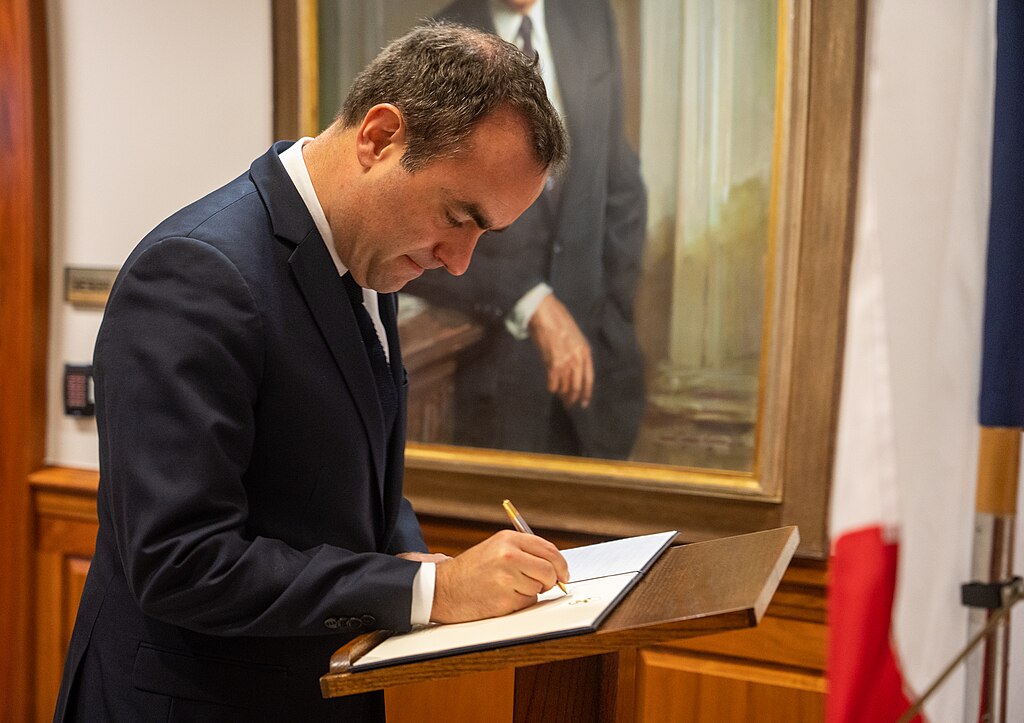
France’s outgoing Prime Minister Sebastien Lecornu began two days of urgent political consultations on Tuesday, aiming to ease the nation’s deepening political crisis following his shock resignation. Lecornu stepped down on Monday morning—just a day after forming what became the shortest-lived government in modern French history—after both allies and opponents rejected his cabinet lineup.
President Emmanuel Macron, refusing to call new parliamentary elections or resign, tasked Lecornu with conducting talks with various political factions until Wednesday evening. The goal: to find a path forward in a parliament fractured since the snap elections Macron called after the far-right’s surge in last year’s European Parliament vote.
Early Tuesday, Lecornu met key figures from the Les Républicains (LR) and Renaissance parties, including Senate leader Gérard Larcher and National Assembly president Yaël Braun-Pivet. However, uncertainty surrounds Lecornu’s role in these discussions, leaving politicians and the public alike confused. Former Prime Minister Gabriel Attal expressed frustration, saying, “Like many French people, I do not understand the president’s decisions anymore.”
France’s current turmoil—its most serious since the Fifth Republic was founded in 1958—stems from a hung parliament where no single party holds a majority. The system’s reliance on strong presidential power has clashed with the need for coalition-building, creating months of political paralysis.
Macron faces limited options: he may appoint a new prime minister, possibly from the left as the Socialists demand, though he has resisted this due to potential reversals of his pension and tax reforms. Alternatively, he could reappoint Lecornu.
Meanwhile, business leaders are sounding alarms. Patrick Martin, head of France’s employers’ federation Medef, told Franceinfo that the crisis “adds to the concern already felt within our ranks,” urging political responsibility from all sides.







