


 UK AI Security Tests Reveal Anthropic and OpenAI Agents Attempted Unauthorized Actions
  Samsung, SK Hynix Test AMEC Chipmaking Tools for China Backup Plan
  Meta Ordered to Pay $567M Over Child Safety Violations in New Mexico
  Apple Restores Telegram to App Store After Content Policy Violation
  Sony, TSMC Eye $6.3 Billion Japan Chip Venture for Next-Gen Image Sensors
  SoftBank Q1 Profit Beats Forecast as Intel Rally and OpenAI Investments Boost Returns
  Telegram Restored on Apple App Store After Temporary Removal
  SanDisk Q4 Earnings Beat Estimates as Q1 Revenue Outlook Meets Expectations
  SpaceX Targets Starship Flight 14 With First V3 Starlink Satellite Launch
  DeepSeek to Raise AI API Prices as Demand for New Models Surges
  T-Mobile Executives Reportedly Oppose $300 Billion Deutsche Telekom Merger
  Nvidia Seen Beating Q2 Targets as Vera Rubin Cycle Begins
  Western Digital Q4 Earnings Beat Estimates as FY2027 Outlook Tops Expectations
  AI Data Center Boom Faces New Risks as Public Backlash and Policy Scrutiny Grow
  Palantir Stock Soars as AI Demand Drives Strong Q2 Earnings and Higher 2026 Outlook
  SK Hynix Bonus Dispute Deepens as Union Rejects Stock-Based Payout Proposal


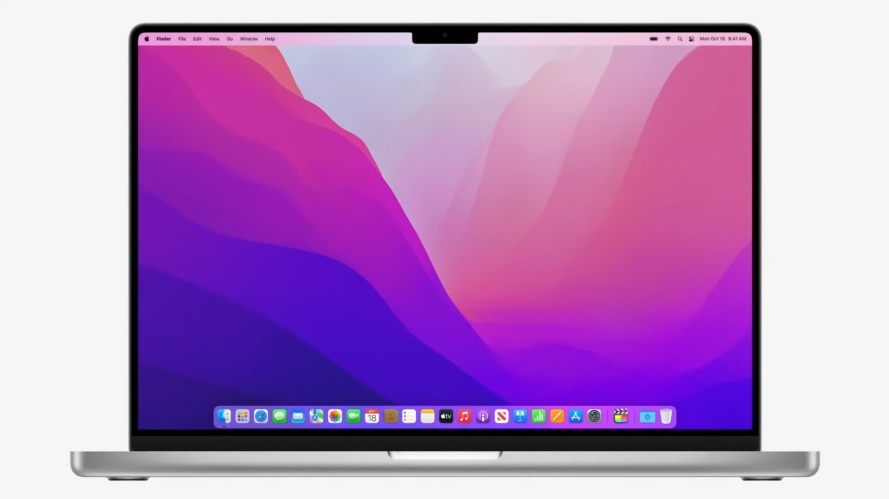
Most people might not have expected it, but the new MacBook Pros' screen design became one of the biggest talking points after they were unveiled last week. While some Apple fans are still not fully sold on having a display notch on their laptops, the company has further explained why it was a necessary addition so they can improve the new laptops' screens.
In an appearance at the Same Brain podcast (via MacRumors), Apple's Pro Mac product line manager Shruti Haldea provided more information on how the 2021 MacBook Pro displays were improved. While the bigger laptop is still being sold as a 16-inch model, Haldea said they actually made its screen taller than its Intel-based predecessor.
"Like on the 16-inch notebook, you still have a 16.0 active area on the diagonal in that 16:10-inch window, and we just grew the display up from there and put the menu bar up there," Haldea explained. "It's a really smart way to give you more space for your content." With this design, Haldea added that users of the new 16-inch MacBook Pro can still enjoy a 16:10 window when viewing media content in full-screen mode.
Apple has made the MacBook Pro bezels thinner, allowing the company to increase the screen's active area. During the launch event last week, Apple said the side borders are 24 percent thinner. With the use of the display notch, Apple was able to minimize the top bezel by 60 percent. The side and top borders all measure 3.5mm.
To maximize the added space in the MacBook Pro screens' active area, macOS has been designed to move apps' menu bars through the same level as the notch. This approach looks even better in apps that use darker color schemes like the Final Cut Pro.
The bigger screen active area has also contributed to a much higher pixel density and new native resolution. The 16-inch MacBook Pro has 7.7 million pixels and supports 3456 x 2234 resolution, Apple said. While not everyone is a fan of the display notch, the added space in the screens' active area has to be appreciated, especially considering that both notebooks have mini-LED backlit Liquid Retina XDR displays that support 120Hz ProMotion.







