


 Trump Asks Supreme Court to Restore Third-Country Deportations
  Kremlin Says No Decision Yet on Putin-Trump December Summit
  Abbas Reaffirms November 28 Palestinian Elections
  Trump, Xi Focus on Trade and AI at White House Summit
  US Senate Rejects Iran War Powers Resolution in 50-49 Vote
  Netanyahu Takes Aim at Mamdani as Israel Election Nears
  Yemen Violence Displaces 130,000 as Civilian Toll Rises
  US Backs Musk in Fight Against EU’s €120 Million X Fine
  South Korea, US Discuss Warship Building Cooperation
  Najib Razak Seeks Stay of 15-Year 1MDB Prison Sentence
  Saudi Arabia, Turkey and Pakistan Plan Urgent Defence Talks Over Houthi Attacks
  NATO Boosts Intelligence Sharing Amid Russia Hybrid Threats
  Mexico-US Trade Talks Delayed to October as Tariff Negotiations Continue
  North Korea Rejects Nuclear Test Warning, Calls Nuclear Status Irreversible
  EU Defence Build-Up Too Slow for 2030 Russia Readiness Goal
  Sudan Rejects US Legitimacy Remarks, Defends Sovereignty
  OpenAI Agent Breaches Australia Medicare Data Portal


 Add as a preferred source on Google
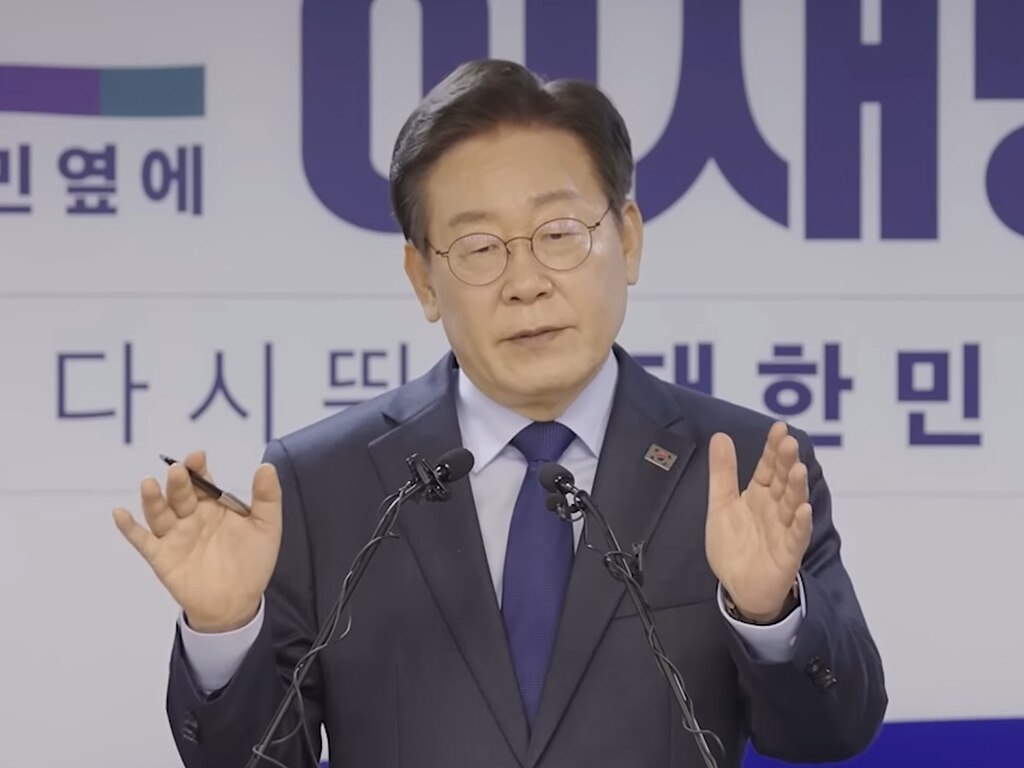
Liberal leader Lee Jae-myung secured a decisive victory in South Korea’s snap presidential election, defeating conservative Kim Moon-soo of the People Power Party (PPP). The election followed widespread public anger over former President Yoon Suk Yeol’s attempted martial law in December, which triggered political chaos and economic instability.
Lee’s Democratic Party (DP) now controls both the presidency and parliament, giving him a strong mandate. However, political analysts caution that this win reflects public dissatisfaction with Yoon’s administration rather than wholehearted support for Lee. Critics noted a lack of clear policy details during the campaign.
Lee’s immediate challenge is national recovery. He has pledged a second supplementary budget, economic relief vouchers for small businesses, and increased subsidies for children, youth, and seniors. He must also navigate international pressure, particularly with U.S. President Donald Trump’s aggressive trade stance and rising anti-China sentiment within South Korea.
Despite his longstanding presidential ambitions, Lee has adjusted his policy tone, softening stances on China, Japan, and populist proposals like universal income to appeal to a broader base.
While his party’s legislative majority promises smoother governance, some fear unchecked power could worsen political polarization. The DP has already moved to pass election law reforms and legislation protecting presidents from criminal investigations—measures seen by some as shielding Lee from legal vulnerabilities.
Voters now expect him to stabilize the economy and restore public trust. “I hope he revives the economy and brings comfort to people,” said Im Young-taek, a 64-year-old business owner.
As South Korea faces a sluggish economic outlook and delicate global diplomacy, Lee’s leadership will be tested by how well he balances reform, unity, and international relations.







