


 Global PC Makers Eye Chinese Memory Chip Suppliers Amid Ongoing Supply Crunch
  Uber Ordered to Pay $8.5 Million in Bellwether Sexual Assault Lawsuit
  Nvidia, ByteDance, and the U.S.-China AI Chip Standoff Over H200 Exports
  Instagram Outage Disrupts Thousands of U.S. Users
  American Airlines CEO to Meet Pilots Union Amid Storm Response and Financial Concerns
  Hims & Hers Halts Compounded Semaglutide Pill After FDA Warning
  Ford and Geely Explore Strategic Manufacturing Partnership in Europe
  Trump Backs Nexstar–Tegna Merger Amid Shifting U.S. Media Landscape
  TrumpRx Website Launches to Offer Discounted Prescription Drugs for Cash-Paying Americans
  CK Hutchison Launches Arbitration After Panama Court Revokes Canal Port Licences
  Weight-Loss Drug Ads Take Over the Super Bowl as Pharma Embraces Direct-to-Consumer Marketing
  Rio Tinto Shares Hit Record High After Ending Glencore Merger Talks
  Tencent Shares Slide After WeChat Restricts YuanBao AI Promotional Links
  Toyota’s Surprise CEO Change Signals Strategic Shift Amid Global Auto Turmoil
  TSMC Eyes 3nm Chip Production in Japan with $17 Billion Kumamoto Investment
  SoftBank Shares Slide After Arm Earnings Miss Fuels Tech Stock Sell-Off
  OpenAI Expands Enterprise AI Strategy With Major Hiring Push Ahead of New Business Offering


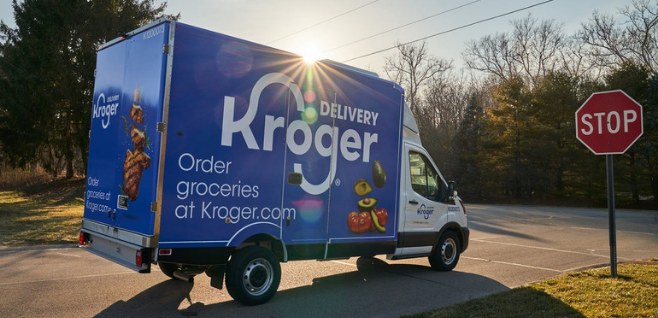
Kroger and Albertsons Cos have announced an expansive plan to sell 166 grocery stores to C&S Wholesale Grocers, escalating their efforts to secure regulatory approval for their ambitious $25 billion merger. This move, announced on Monday, aims to quell regulators' growing concerns over potential negative impacts on competition, such as higher prices, store closures, and job cuts.
Financial Dynamics of the Deal
Reuters reported that under the revised terms, C&S is set to purchase the stores for approximately $2.9 billion in cash, a significant increase from the initial $1.9 billion agreement. This adjustment means Kroger and Albertsons are now divesting 579 stores to C&S, which will also gain access to key private label brands like Albertsons Signature and O Organics.
Background and Regulatory Hurdles
Yahoo noted that the proposed merger, unveiled in October 2022, has faced stringent scrutiny from the U.S. Federal Trade Commission (FTC) and several states, culminating in a lawsuit to block the transaction earlier this year. Critics argue the merger could lead to inflated grocery prices nationwide, exacerbating the cost-of-living crisis for millions.
Despite these challenges, a hearing set for August in an Oregon district court represents a crucial next step, potentially clearing a path for Kroger to solidify its position as a leading grocery retailer in the United States, second only to Walmart.
Industry and Union Reactions
Skeptics, including analysts and union representatives, underscore concerns about C&S's ability to effectively manage the acquired assets. Critics point to C&S's limited operational experience and a pattern of asset flipping, suggesting that an increase in the number of stores involved does not address these fundamental issues. Furthermore, union officials express fear over potential real estate sell-offs, harming community retail landscapes and employee job security.
Legal advisers and proponents of the deal maintain that the expanded divestiture is a strategic effort to furnish C&S with a viable, sustainable business model, enhancing its distribution capabilities and ensuring a competitive, vibrant market presence.
Photo: Kroger Newsroom













