


 Bolivia Declares State of Emergency as Roadblock Crisis Deepens
  Meta Reportedly Developing ‘Arena’ Prediction Market App to Rival Polymarket and Kalshi
  Oracle Cuts 21,000 Jobs as AI Reshapes Workforce and Cloud Expansion Accelerates
  Lebanon Pushes Ahead With Israel Talks Despite Iran-U.S. Deal Impact
  Heineken Names JDE Peet’s CEO Rafael Oliveira as New Chief Executive
  World Cup technology: from ref cams to AI analysts, cutting-edge research is changing the game
  Bessent Says U.S. Must Strengthen Supply Chains and Economic Security
  US Waives Iran Sanctions for 60 Days as Peace Talks Advance and Lebanon Sees Calm
  WiseTech Global Denies Knowledge of Investigation Into Founder Richard White
  California Drivers Sue BP, Walmart, 7-Eleven Over Alleged AI Gas Price Fixing
  Meta Pauses Employee Activity Tracking Program Over Data Security Concerns
  Google Gemini Co-Lead Noam Shazeer Leaves for OpenAI Amid AI Talent Race
  Russia-Ukraine War: Fresh Strikes Injure Civilians as Fuel Crisis Worsens in Russia
  ASIC Launches Formal Investigation Into KPMG Australia Partners Over Client Data Misuse Allegations
  Bain Capital Nears Deal for Majority Stake in Volkswagen Marine Engine Unit Everllence
  White House Seeks $1.4 Billion to Combat Growing Ebola Outbreak
  SpaceX Stock Plunges 16% as KeyBanc Warns Valuation May Be Overstretched


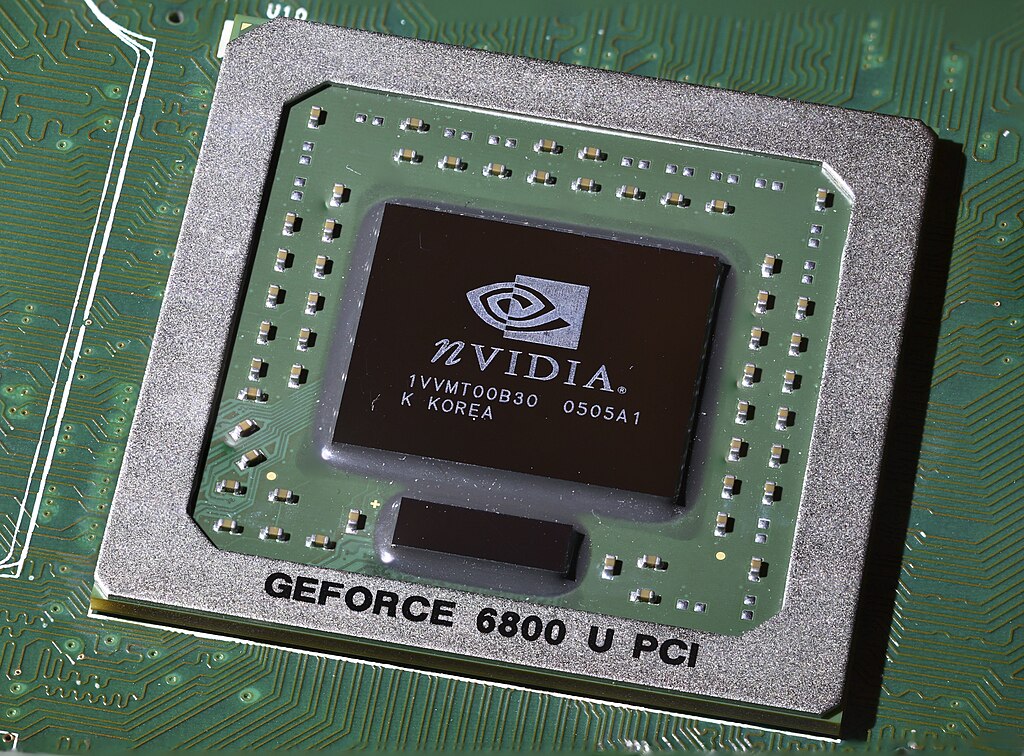
The U.S. government under President Donald Trump has launched a formal review that could pave the way for the first-ever shipments of Nvidia’s H200 artificial intelligence chips to China, according to multiple sources familiar with the process. The move follows Trump’s recent pledge to allow sales of the advanced AI chips, signaling a significant shift in U.S. export controls and technology policy toward China.
The review is being led by the U.S. Commerce Department, which has circulated export license applications to the Departments of State, Defense, and Energy. Under existing export regulations, those agencies have up to 30 days to provide feedback before a final decision is made. While the inter-agency review is described as thorough, the ultimate authority rests with President Trump.
Trump has argued that permitting sales of Nvidia’s H200 chips—while imposing a 25% government fee—would strengthen U.S. technological leadership by keeping American firms ahead of Chinese competitors. He has also claimed that access to U.S. chips could reduce demand for domestically produced Chinese alternatives, such as those developed by Huawei.
The proposal has sparked intense criticism from lawmakers and national security experts across party lines. Critics warn that exporting advanced AI chips to China could enhance Beijing’s military capabilities and undermine the United States’ strategic advantage in artificial intelligence. Former Biden administration officials have described the policy as a serious national security risk, emphasizing that access to high-performance AI hardware remains a critical constraint for China.
The Trump administration’s stance represents a sharp reversal from the Biden-era restrictions, which broadly banned advanced AI chip exports to China and to countries suspected of serving as transshipment hubs. It also contrasts with Trump’s own first-term policies, when he aggressively limited Chinese access to U.S. technology over intellectual property and security concerns.
Meanwhile, Nvidia has reportedly seen strong interest from Chinese buyers, prompting considerations to increase production of the H200 chips. Although less powerful than Nvidia’s latest Blackwell chips, the H200 remains widely used in the global AI industry and has never previously been approved for sale in China.







