


 McDonald’s Sees Flat Traffic, Sticky Inflation as New Normal
  Trump Asks Supreme Court to Restore Third-Country Deportations
  Akamai Shares Surge on $11.6B Anthropic AI Cloud Deal
  SoftBank Shares Fall as Oracle Flags Stargate Data Center Delay Risk
  Sudan Rejects US Legitimacy Remarks, Defends Sovereignty
  Suzuki Targets Faster Car Development to Keep Pace With Chinese Rivals
  JPMorgan Names Lavatelli Japan Chief in Leadership Shake-Up
  US Backs Musk in Fight Against EU’s €120 Million X Fine
  Airbus Finds A321neo Fuselage Quality Issue
  NATO Boosts Intelligence Sharing Amid Russia Hybrid Threats
  Najib Razak Seeks Stay of 15-Year 1MDB Prison Sentence
  Russian Missile and Drone Attack on Kyiv Kills Two, Damages Maternity Hospital
  Netanyahu’s Brief US Trip Highlights Strains With Trump
  North Korea Rejects Nuclear Test Warning, Calls Nuclear Status Irreversible
  Novo Nordisk Strikes €1.17 Billion Nanexa Drug Delivery Deal
  Mexico-US Trade Talks Delayed to October as Tariff Negotiations Continue
  Judge Orders Trump to Restore White House Access for CNN, MS NOW and Politico


 Add as a preferred source on Google
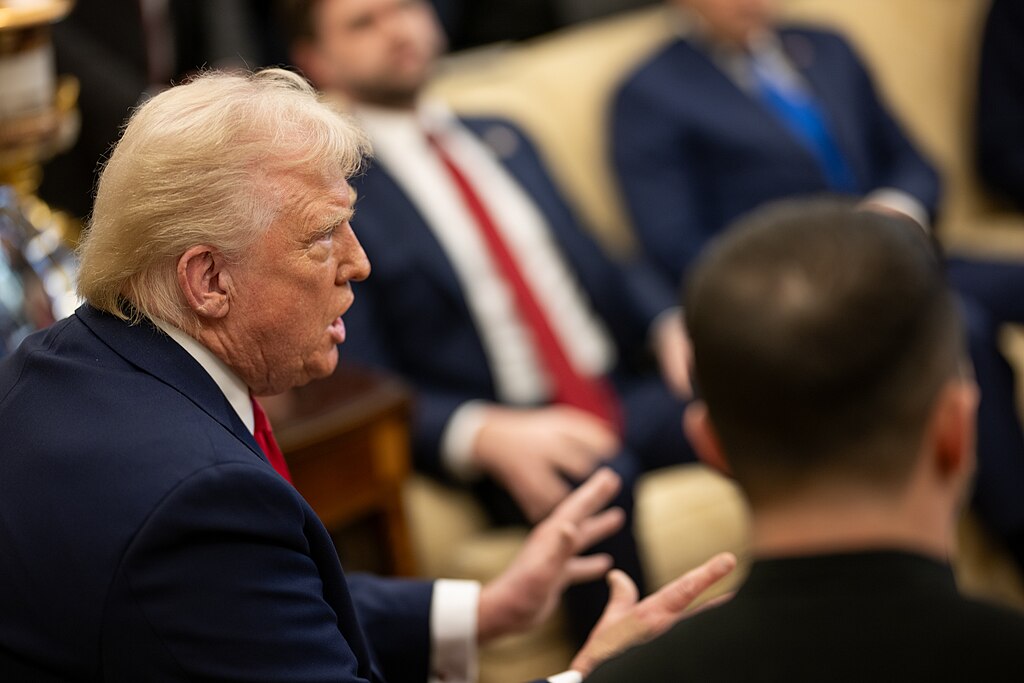
U.S. President Donald Trump said on Friday that he plans to meet with major health insurance companies in the coming weeks in an effort to push for significantly lower healthcare costs, as millions of Americans face the possibility of higher premiums tied to the Affordable Care Act (ACA). Speaking at a White House event, Trump suggested that a single meeting could lead insurers to cut prices by as much as 50% to 70%, positioning negotiations as an alternative path to easing financial pressure on consumers.
The remarks came as Trump announced a separate agreement with nine pharmaceutical companies aimed at lowering prescription drug prices, reinforcing his broader message of reducing healthcare expenses through direct deals rather than sweeping legislative reform. Representatives from some of the largest U.S. health insurers, including UnitedHealth Group, CVS Health’s Aetna, and Cigna, did not immediately comment on Trump’s proposal.
According to Trump, the meeting with health insurers could take place in Florida as early as next week or in Washington, D.C., during the first week of the new year. The timing is significant, as enhanced ACA subsidies introduced during the COVID-19 pandemic are set to expire on December 31 unless Congress intervenes. Without action, millions of Americans who rely on ACA marketplace plans could see noticeable increases in their monthly premiums.
Trump reiterated his preference for redirecting federal funds directly to individuals so they can purchase health insurance independently, rather than extending subsidies to insurers. He also expressed support for a Republican-backed measure that recently blocked a three-year extension of the subsidies proposed by Democrats and a small number of Republicans.
In a separate interview with NBC published earlier the same day, Trump downplayed the need for a comprehensive healthcare overhaul, arguing that the ACA would eventually collapse on its own due to high costs discouraging enrollment. Roughly 24 million Americans currently obtain coverage through the ACA.
As healthcare costs and broader inflation remain key voter concerns, the debate over insurance premiums and subsidies is expected to play a prominent role in upcoming elections. House Republicans have proposed legislation that would lower premiums for some while reducing overall subsidies, a change scheduled to begin in 2027, shortly after voters head to the polls.







