


 Dollar Holds Near Two-Month High as Yen Approaches 160
  Asian Currencies Mixed as Dollar Holds Near Two-Month High
  Fed Unveils Stablecoin Rules Under GENIUS Act
  Trump, Xi Focus on Trade and AI at White House Summit
  US 10-Year Treasury Yield at 6% Emerges as New Market Risk Threshold
  U.S. Dollar Hits Two-Month High as Oil, Treasury Yields Surge
  Fed Unveils Stablecoin Rules Under GENIUS Act
  European Stocks Fall as Bond Yields and Geopolitical Risks Weigh
  Soybean Futures Slip as Traders Await Trump-Xi Trade Signals
  Oil Prices Fall on U.S.-Iran Hormuz Deal Hopes
  US Stock Futures Fall as Treasury Yields Surge Ahead of Trump-Xi Summit
  Mexico-US Trade Talks Delayed to October as Tariff Negotiations Continue
  Japanese Yen Rebounds as Trump Flags Currency Weakness
  Japanese Bank Stocks Surge as Bond Yields Fuel Rate Hike Bets
  Oil Prices Jump 3% as Houthi Attack Revives Supply Fears
  Gold Holds Near $4,275 as Rising Treasury Yields Fuel Fed Rate Hike Bets


 Add as a preferred source on Google
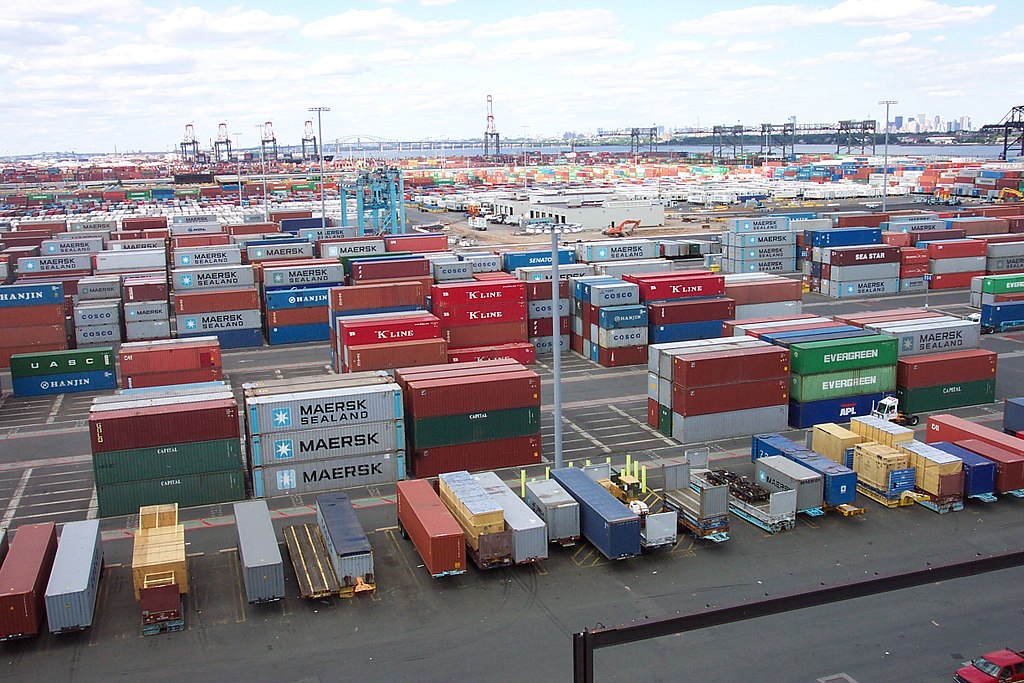
German exports to the United States recorded a significant downturn in 2025, underscoring the lasting impact of U.S. trade policies on Europe’s largest economy. According to a study cited by Reuters, German car exports to the U.S. fell by nearly 14% in the first three quarters of the year, making the automotive sector the hardest hit branch of German industry amid President Donald Trump’s ongoing trade war.
The decline comes despite a trade agreement between Washington and Brussels that reduced the overall tariff burden. Under the deal, the United States imposed a 15% baseline tariff on cars imported from Europe starting August 1, notably lower than the initial proposal of a 25% tariff in addition to the existing 2.5% levy. Even with this concession, German automakers struggled to maintain export volumes, reflecting weaker demand and higher trade barriers in their most important non-European market.
The challenges extend well beyond the automotive industry. German engineering companies also experienced a sharp contraction, with exports to the U.S. down 9.5% during the first nine months of 2025. Machinery exports have been particularly affected, as they are subject to a steep 50% U.S. tariff on steel and aluminium products, significantly raising costs and reducing competitiveness.
The chemical industry similarly saw exports to the United States decline by 9.5% over the same period. However, the report noted that tariffs were not the sole factor behind this drop. Higher energy prices in Germany and reduced domestic production were also cited as key contributors to the sector’s weaker performance.
Overall, German exports to the U.S. fell by 7.8% year on year across all industries during the first three quarters of 2025. This marks a sharp reversal from the average growth rate of nearly 5% recorded in comparable periods between 2016 and 2024. Study author Samina Sultan warned that a strong rebound is unlikely, stating that U.S. import tariffs are not expected to return to pre-Trump levels in the foreseeable future. As a result, German exporters may be forced to adapt to what she described as a “new normal” in transatlantic trade relations.







