


 Kremlin Says No Decision Yet on Putin-Trump December Summit
  Netanyahu’s Brief US Trip Highlights Strains With Trump
  FAA Allows Boeing to Sell 35 More 777F Freighters Beyond 2028
  ICE Agent Arrested in Minneapolis Over Venezuelan Man Shooting
  SoftBank Shares Fall as Oracle Flags Stargate Data Center Delay Risk
  US Northeast Airports Resume Operations After Telecom Outage Disrupts Thousands of Flights
  Nvidia-Groq AI Chip Deal Faces U.S. Antitrust Probe
  Australia Tightens Student Visa Rules, Targets Migration Cut by 2028
  White House Bars CNN, MS NOW and Politico Reporters
  US Backs Musk in Fight Against EU’s €120 Million X Fine
  Trump Administration Plans Faster FDA Reviews for Smoke-Free Nicotine Products
  Airbus Finds A321neo Fuselage Quality Issue
  Novo Nordisk Strikes €1.17 Billion Nanexa Drug Delivery Deal
  Meta Unveils Muse Charm AI Device, Expands Smart Glasses Lineup
  China Tightens Fentanyl Rules Ahead of Trump-Xi Summit
  Taiwan Thanks US for Support Ahead of Trump-Xi Summit
  Jeff Bezos Invests $32 Billion in Blue Origin as Space Firm Targets Major Growth


 Add as a preferred source on Google
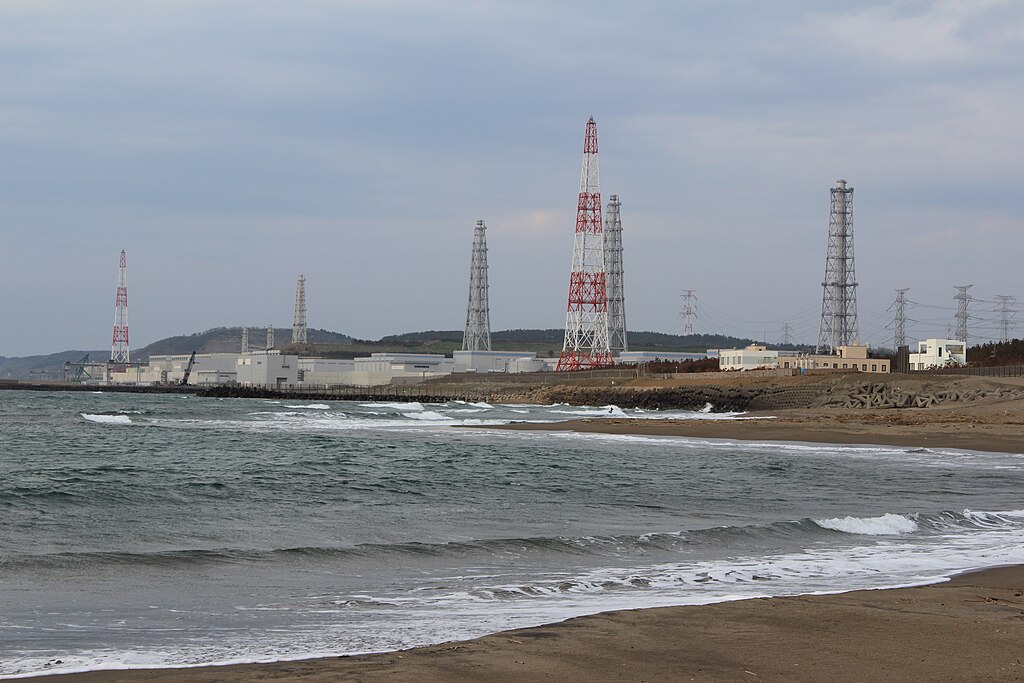
Japan is approaching a pivotal moment in its post-Fukushima energy policy as the Niigata regional assembly is expected to endorse the restart of the Kashiwazaki-Kariwa nuclear power plant, the largest nuclear facility in the world. The decision, anticipated on Monday, would mark a significant step in Japan’s renewed push toward nuclear energy more than a decade after the 2011 Fukushima Daiichi disaster.
Located about 220 kilometers northwest of Tokyo, Kashiwazaki-Kariwa was among 54 reactors shut down nationwide following the earthquake and tsunami that triggered the Fukushima crisis. Since then, Japan has restarted 14 of the 33 reactors still considered operable, aiming to reduce its heavy dependence on imported fossil fuels. If approved, Kashiwazaki-Kariwa would become the first nuclear plant restarted under Tokyo Electric Power Co (TEPCO), the same utility that operated Fukushima Daiichi.
TEPCO has emphasized strengthened safety measures, with spokesperson Masakatsu Takata stating the company is committed to preventing any repeat of past nuclear accidents. Public broadcaster NHK has reported that TEPCO is considering reactivating the first of the plant’s seven reactors as early as January 20, a move that could increase electricity supply to the Tokyo region by an estimated 2%.
Despite these assurances, public opposition remains strong. A prefectural survey released in October showed that 60% of Niigata residents believe conditions for a restart have not been met, while nearly 70% expressed concerns about TEPCO’s ability to operate the plant safely. To gain local support, TEPCO has pledged 100 billion yen over the next decade to Niigata, but skepticism persists, particularly among residents affected by the Fukushima disaster.
Prime Minister Sanae Takaichi has backed nuclear restarts as a way to strengthen energy security, curb rising import costs, and support Japan’s decarbonization goals. With fossil fuels still accounting for up to 70% of electricity generation and energy demand expected to rise due to AI data centers, Japan aims to double nuclear power’s share of its energy mix to 20% by 2040.
While energy experts see Kashiwazaki-Kariwa’s restart as a critical milestone, many locals fear it revives painful memories and risks, underscoring the ongoing tension between energy policy and public trust in nuclear power.







