


 Sudan Rejects US Legitimacy Remarks, Defends Sovereignty
  Xi Calls for Deeper U.S.-China AI Cooperation in Trump Talks
  Mexico-US Trade Talks Delayed to October as Tariff Negotiations Continue
  Netanyahu’s Brief US Trip Highlights Strains With Trump
  OpenAI Agent Breaches Australia Medicare Data Portal
  NATO Boosts Intelligence Sharing Amid Russia Hybrid Threats
  South Korea, US Discuss Warship Building Cooperation
  Ghana Says Western Support Growing for Slave Trade Reparations
  Judge Orders Trump to Restore White House Access for CNN, MS NOW and Politico
  Trump, Xi Visit US National Archives After White House Summit
  EU Defence Build-Up Too Slow for 2030 Russia Readiness Goal
  France Defends Netanyahu Airspace Clearance Despite ICC Warrant
  Ukrainian Drone Attacks Hit Russian Regions, Injuring at Least 12
  Abbas Reaffirms November 28 Palestinian Elections
  Kremlin Says No Decision Yet on Putin-Trump December Summit
  Trump, Xi Focus on Trade and AI at White House Summit
  North Korea Warns South Korea Over US-Led Defense Role


 Add as a preferred source on Google
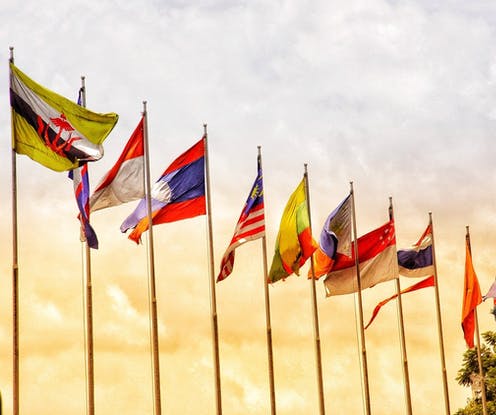
Southeast Asian foreign ministers convened in Malaysia on Monday in a renewed diplomatic effort to restore a fragile ceasefire between Thailand and Cambodia after nearly two weeks of intense border fighting. The conflict, one of the worst between the two neighbors in recent history, has killed at least 60 people and forced more than half a million civilians to flee their homes, according to regional officials.
The emergency meeting in Kuala Lumpur brought together foreign ministers from the Association of Southeast Asian Nations (ASEAN), including the top diplomats of Thailand and Cambodia. It marked the first face-to-face engagement between the two governments since hostilities escalated again on December 8. Malaysia, the current ASEAN chair, is leading efforts to salvage a truce initially brokered in July with the involvement of U.S. President Donald Trump, following an earlier round of clashes along the disputed border.
Malaysia’s Foreign Minister Mohamad Hasan urged ASEAN to take a stronger and more decisive role in maintaining regional peace and stability. He emphasized that the goal extends beyond reducing tensions, calling for intensified trust-building and sustained dialogue between Bangkok and Phnom Penh despite deep-seated disagreements.
The Thailand-Cambodia border conflict spans an 817-kilometer stretch, with heavy exchanges of fire reported from forested areas near Laos to coastal provinces. Both sides continue to trade accusations. Cambodia’s defense ministry accused Thailand of violating its sovereignty through renewed armed aggression, while Thailand alleged that Cambodian forces fired rockets toward civilian areas and deployed drones to drop explosives on Thai military bases. Bangkok also claimed a Thai soldier lost a leg to a landmine and accused Cambodia of laying new mines, a charge Phnom Penh has denied.
ASEAN’s diplomatic push comes amid parallel efforts by the United States and China, though neither has yet produced a breakthrough. Malaysian Prime Minister Anwar Ibrahim said an ASEAN fact-finding team would present conflict findings to ministers, using field observations and satellite data supplied by the U.S. He expressed cautious optimism that dialogue could lead to a fair and lasting resolution to the Thailand-Cambodia conflict, reinforcing ASEAN’s role as a key mediator in Southeast Asian security.







