


 France Defends Netanyahu Airspace Clearance Despite ICC Warrant
  Trump, Xi Focus on Trade and AI at White House Summit
  What ‘Taiwan Independence’ Means as Xi Presses Trump on US Policy
  North Korea Rejects Nuclear Test Warning, Calls Nuclear Status Irreversible
  US Backs Musk in Fight Against EU’s €120 Million X Fine
  OpenAI Agent Breaches Australia Medicare Data Portal
  Abbas Reaffirms November 28 Palestinian Elections
  Sudan Rejects US Legitimacy Remarks, Defends Sovereignty
  Russian Missile and Drone Attack on Kyiv Kills Two, Damages Maternity Hospital
  NATO Boosts Intelligence Sharing Amid Russia Hybrid Threats
  Judge Orders Trump to Restore White House Access for CNN, MS NOW and Politico
  Netanyahu Takes Aim at Mamdani as Israel Election Nears
  Trump Asks Supreme Court to Restore Third-Country Deportations
  Saudi Arabia, Turkey and Pakistan Plan Urgent Defence Talks Over Houthi Attacks
  Netanyahu Defends Israel at UN as Delegates Stage Walkout
  Pezeshkian Says US Must Choose When Iran War Ends
  EU Defence Build-Up Too Slow for 2030 Russia Readiness Goal


 Add as a preferred source on Google
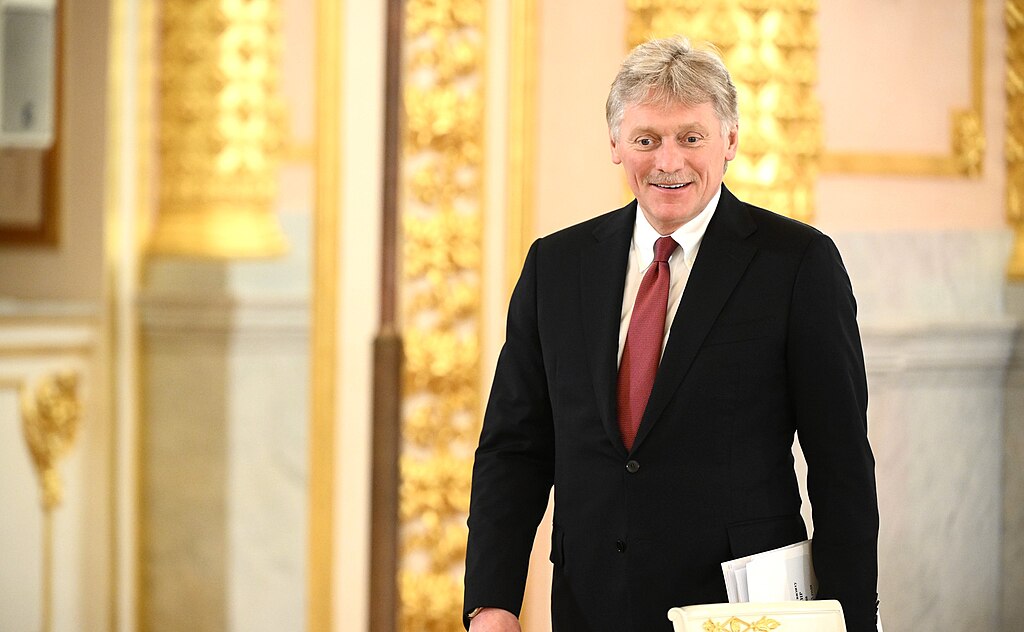
The Kremlin said on Tuesday that an alleged Ukrainian drone attack targeting a presidential residence in Russia’s Novgorod region would harden Moscow’s negotiating position on any potential peace deal to end the war in Ukraine, further escalating already tense relations between the two countries.
According to Kremlin spokesman Dmitry Peskov, the incident represents what Russia describes as a “terrorist action” designed to derail ongoing or future diplomatic efforts. He said the diplomatic consequence of the drone attack would be a tougher stance from the Russian Federation in negotiations related to the conflict. Peskov added that Russia’s military leadership was fully aware of how and when to respond, without providing specific details.
Ukrainian President Volodymyr Zelenskiy firmly rejected the accusations, calling them “another round of lies” intended to justify new Russian attacks on Ukraine and to prolong the war. Kyiv has denied any involvement in the alleged drone strike, maintaining that Russia is using such claims to shift blame and influence international opinion.
Peskov criticized Ukraine’s denial and accused Western media outlets of supporting what he described as Kyiv’s narrative. He said it was “completely insane” to suggest the incident did not occur, arguing that Russian air defense systems had intercepted and shot down the drones before they could cause damage. When asked about physical evidence, Peskov said questions regarding drone wreckage should be directed to Russia’s defense ministry.
The Kremlin spokesman also declined to disclose President Vladimir Putin’s whereabouts at the time of the alleged attack, citing security concerns and recent events as reasons such information should not be made public.
The incident adds to a growing list of claims and counterclaims between Moscow and Kyiv as the conflict continues with no clear path toward resolution. Analysts note that allegations of drone attacks inside Russian territory, whether confirmed or denied, can have significant political and diplomatic consequences, particularly when tied to peace negotiations.
As fighting continues, both sides remain deeply divided, and statements from Russian officials suggest that prospects for a negotiated settlement may become increasingly difficult if such incidents persist.







