


 Pope Leo Backs Press Freedom After White House Media Ban
  Saudi Arabia Seeks Military Support as Houthi Attacks Escalate
  Trump Warns China Against Supporting Iran in Xi Talks
  Iran Rejects Nuclear Concessions in Hormuz Deal
  Netanyahu’s Brief US Trip Highlights Strains With Trump
  Trump, Xi Visit US National Archives After White House Summit
  EU Defence Build-Up Too Slow for 2030 Russia Readiness Goal
  Najib Razak Seeks Stay of 15-Year 1MDB Prison Sentence
  Abbas Reaffirms November 28 Palestinian Elections
  Trump, Xi Focus on Trade and AI at White House Summit
  Trump Asks Supreme Court to Restore Third-Country Deportations
  Netanyahu Defends Israel at UN as Delegates Stage Walkout
  Colombia Extradites FARC Dissident Leader ‘Spider’ to US
  Ukrainian Drone Attacks Hit Russian Regions, Injuring at Least 12
  Pezeshkian Says US Must Choose When Iran War Ends
  Evan Gershkovich Says FSB Set Trap for 2023 Russia Arrest
  What ‘Taiwan Independence’ Means as Xi Presses Trump on US Policy


 Add as a preferred source on Google
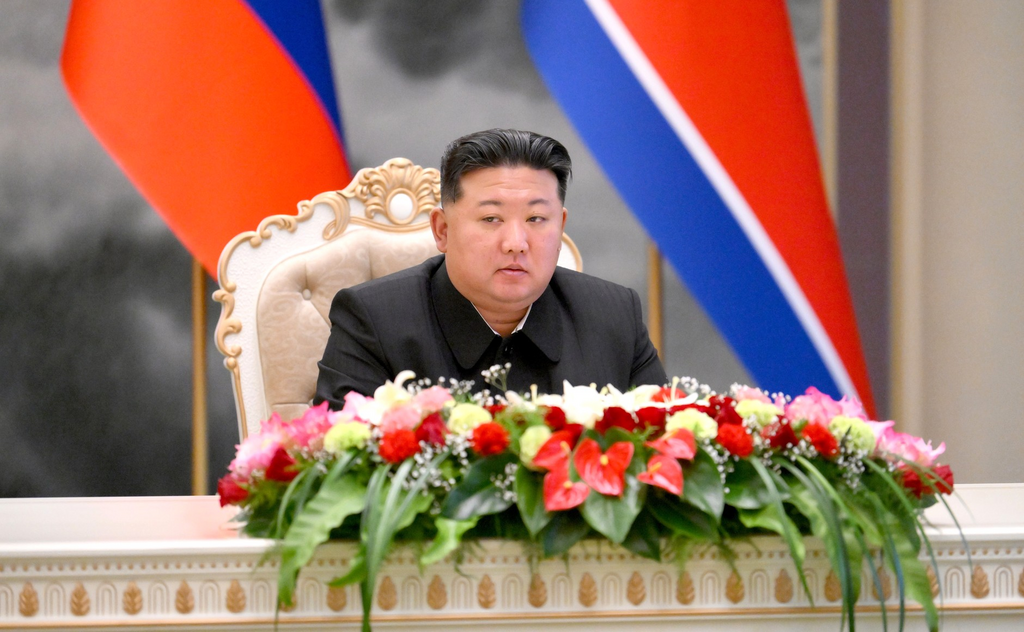
North Korean leader Kim Jong Un has ordered that all available resources be directed toward strengthening the country’s nuclear program, which he described as vital to protecting national sovereignty and security. According to state media KCNA, Kim met with top officials and scientists from North Korea’s nuclear weapons research institutes on Friday, where he emphasized that advancing the nation’s nuclear deterrence capability remains its most critical priority.
Kim highlighted the need to continually enhance what he referred to as the country’s “nuclear shield and sword” to guarantee sovereignty, safeguard national interests, and secure the right to development. His remarks underscore Pyongyang’s longstanding position that nuclear weapons are central to deterring perceived external threats and ensuring regime survival.
For decades, North Korea has pursued a nuclear weapons program in defiance of international sanctions and diplomatic pressure. The program includes covert uranium enrichment efforts, which South Korean President Lee Jae Myung has previously warned could enable Pyongyang to produce as many as 20 nuclear weapons annually. This capability, if accurate, reflects North Korea’s growing nuclear arsenal despite repeated global calls for denuclearization.
Analysts note that Kim’s latest directive signals continued resistance to negotiations that call for rolling back the nuclear program. Instead, North Korea appears committed to further strengthening its nuclear response posture, portraying it as essential for protecting the country’s independence and strategic interests.
The announcement comes amid heightened regional tensions, as Pyongyang has ramped up weapons testing and issued warnings to both the United States and South Korea over joint military exercises. By framing nuclear weapons as the “top priority,” Kim Jong Un is reaffirming his vision of North Korea as a nuclear-armed state unwilling to compromise on its defense strategy.
With this stance, Pyongyang’s nuclear program remains a central factor shaping security dynamics on the Korean Peninsula and beyond.







