


 Netanyahu’s Brief US Trip Highlights Strains With Trump
  US Backs Musk in Fight Against EU’s €120 Million X Fine
  Trump Asks Supreme Court to Restore Third-Country Deportations
  Trump, Xi Visit US National Archives After White House Summit
  Pezeshkian Says US Must Choose When Iran War Ends
  Netanyahu Takes Aim at Mamdani as Israel Election Nears
  France Defends Netanyahu Airspace Clearance Despite ICC Warrant
  Ghana Says Western Support Growing for Slave Trade Reparations
  Taiwan Thanks US for Support Ahead of Trump-Xi Summit
  Kremlin Says No Decision Yet on Putin-Trump December Summit
  Ukrainian Drone Attacks Hit Russian Regions, Injuring at Least 12
  Mexico-US Trade Talks Delayed to October as Tariff Negotiations Continue
  North Korea Rejects Nuclear Test Warning, Calls Nuclear Status Irreversible
  Xi Calls for Deeper U.S.-China AI Cooperation in Trump Talks
  Sudan Rejects US Legitimacy Remarks, Defends Sovereignty
  Abbas Reaffirms November 28 Palestinian Elections
  Saudi Arabia, Turkey and Pakistan Plan Urgent Defence Talks Over Houthi Attacks


 Add as a preferred source on Google
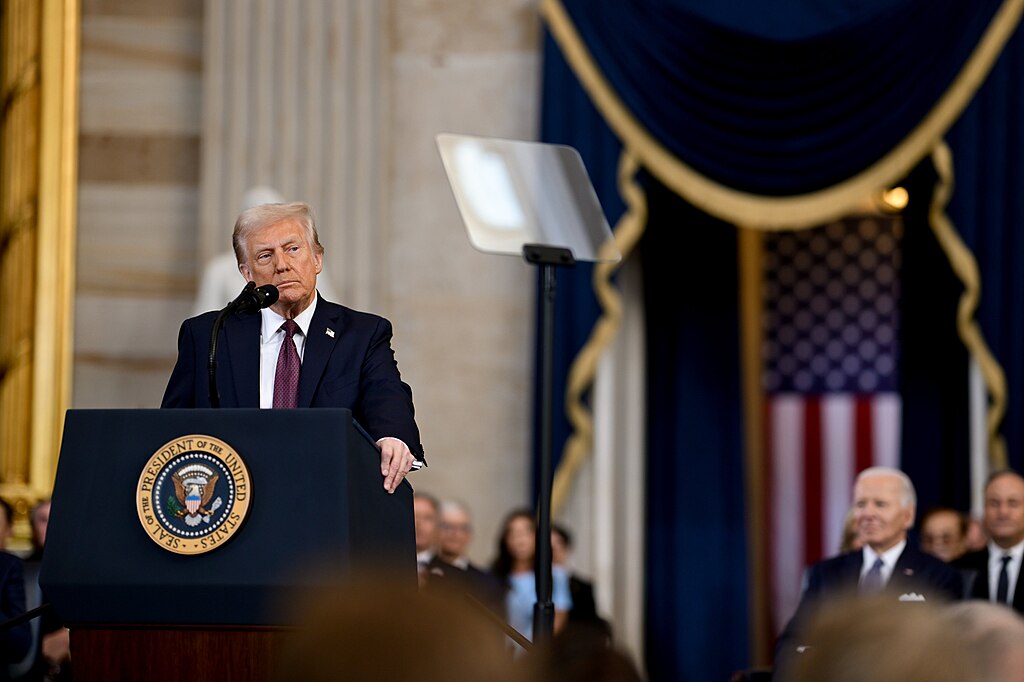
The John F. Kennedy Center for the Performing Arts, one of Washington, D.C.’s most iconic cultural institutions, is set to be renamed the Trump-Kennedy Center following what was described as a unanimous vote by its board of directors, according to a statement from the White House. The announcement was made by White House spokeswoman Karoline Leavitt, who shared the development publicly on the social media platform X.
Leavitt said the decision followed a period of significant leadership changes at the Kennedy Center earlier this year, during which President Donald Trump appointed several allies to the organization’s board. These appointments were widely characterized as part of a broader restructuring or takeover of the Kennedy Center’s governance. According to Leavitt, the newly constituted board voted unanimously in favor of the name change.
In her statement, Leavitt emphasized that the decision was intended to recognize what she described as President Trump’s role in preserving and revitalizing the historic building. She wrote that the board, which she characterized as being made up of highly successful individuals from around the world, supported the renaming because of “the unbelievable work President Trump has done over the last year in saving the building.” No additional details were provided regarding the specific renovations or preservation efforts referenced in the statement.
The Kennedy Center has long been regarded as a cornerstone of the American performing arts landscape. Located along the Potomac River, the venue hosts thousands of performances each year, including theater, ballet, opera, classical music, jazz, and contemporary productions. Since opening its doors in 1971, the center has served as a living memorial to President John F. Kennedy and has played a central role in the nation’s cultural life.
News of the reported name change has quickly sparked discussion and debate among artists, patrons, and political observers, reflecting the Kennedy Center’s unique position at the intersection of culture and public life. Supporters argue the decision reflects new leadership priorities, while critics question the implications of altering the name of a long-established national landmark.
As of now, the White House statement remains the primary source of information regarding the board’s vote and the renaming process. Further clarification from the Kennedy Center itself is expected as the story continues to develop, with many watching closely to see how the change could affect the institution’s identity, programming, and public perception in the years ahead.







